Ideation and production by: Giovanni Del Brenna and Simone Perolari
Exhibition produced by: Giovanni Del Brenna, Simone Perolari and the City of Paris
Exhibition and website design: Gabriele Peja / Kenitte
The project Les Essentiels originated from a simple question: who are the workers who enable athletes to perform? Who take care of the clay courts at Roland Garros? How many gardeners work at the Golf National in Saint-Quentin-en-Yvelines? How do you build the Athlete’s Village from the ground up in record time?
We wanted to meet the people who build, maintain, and operate high-level sports facilities to put them in the spotlight and recognize their expertise.
Over the past three years, we’ve traveled across France, visited 13 venues, and met 46 people involved in the preparation for the Games. We’d like to thank them for allowing us to make this project a reality.
We discovered men and women, young and old, with careers as varied as their life paths, happy to share their everyday work with us, all dedicated to and passionate about the journey toward the Games.
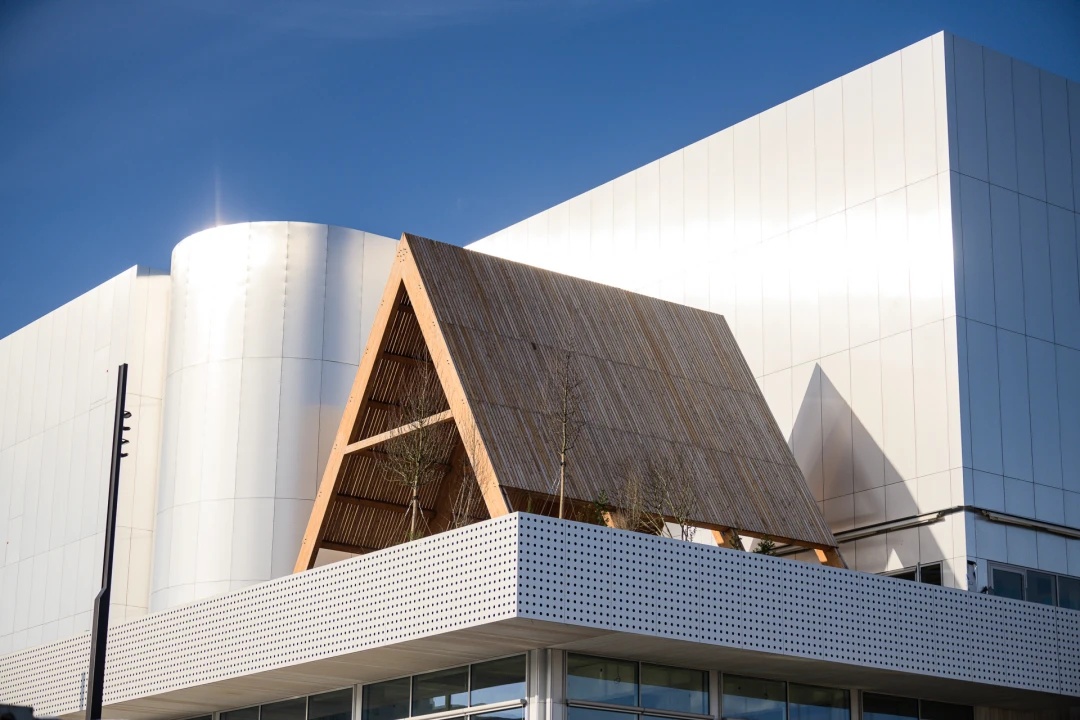
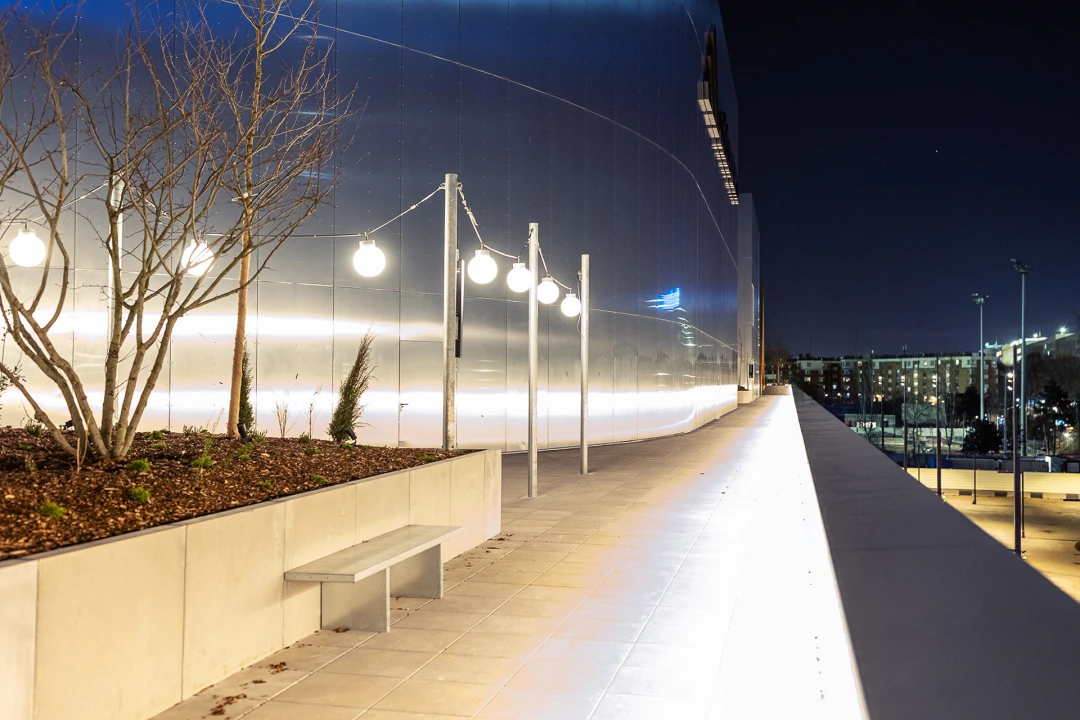
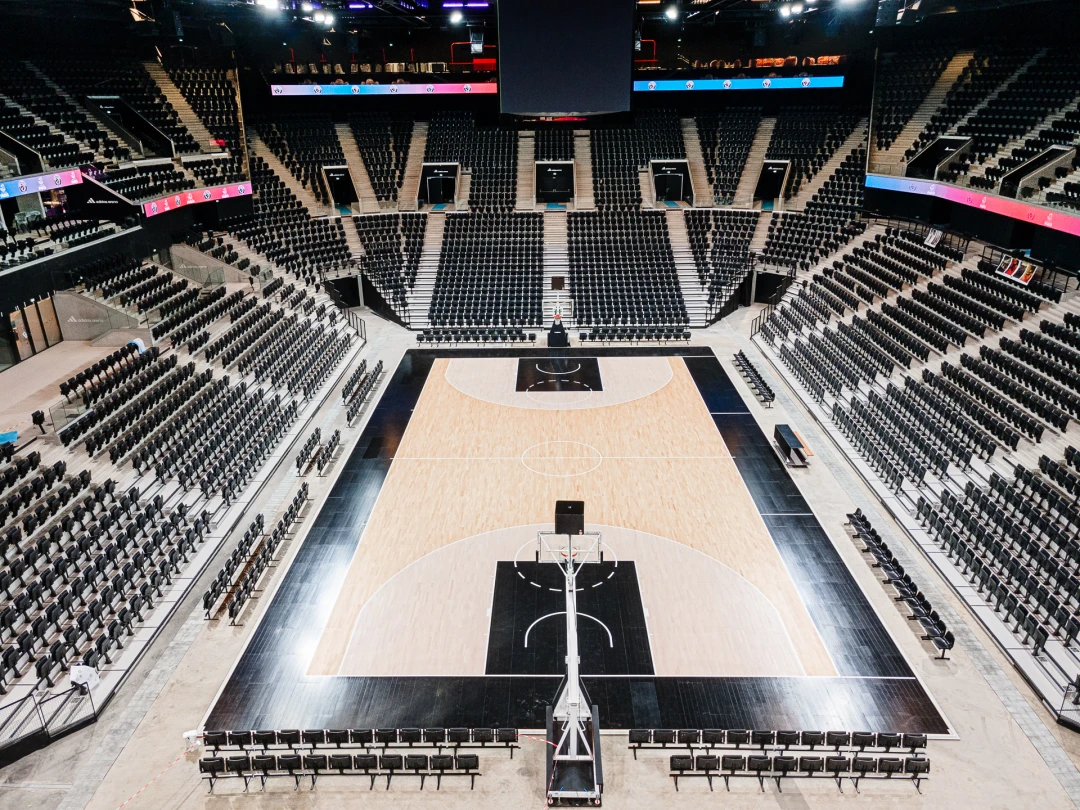
The only purpose-built sports facility in Paris. The Arena Porte de la Chapelle is a multi-purpose hall that hosts concerts, sports competitions and conferences. After the Games, it will become the home of Paris Basketball. Two adjoining gymnasiums will meet the needs of the neighbourhood and will be used by local residents.
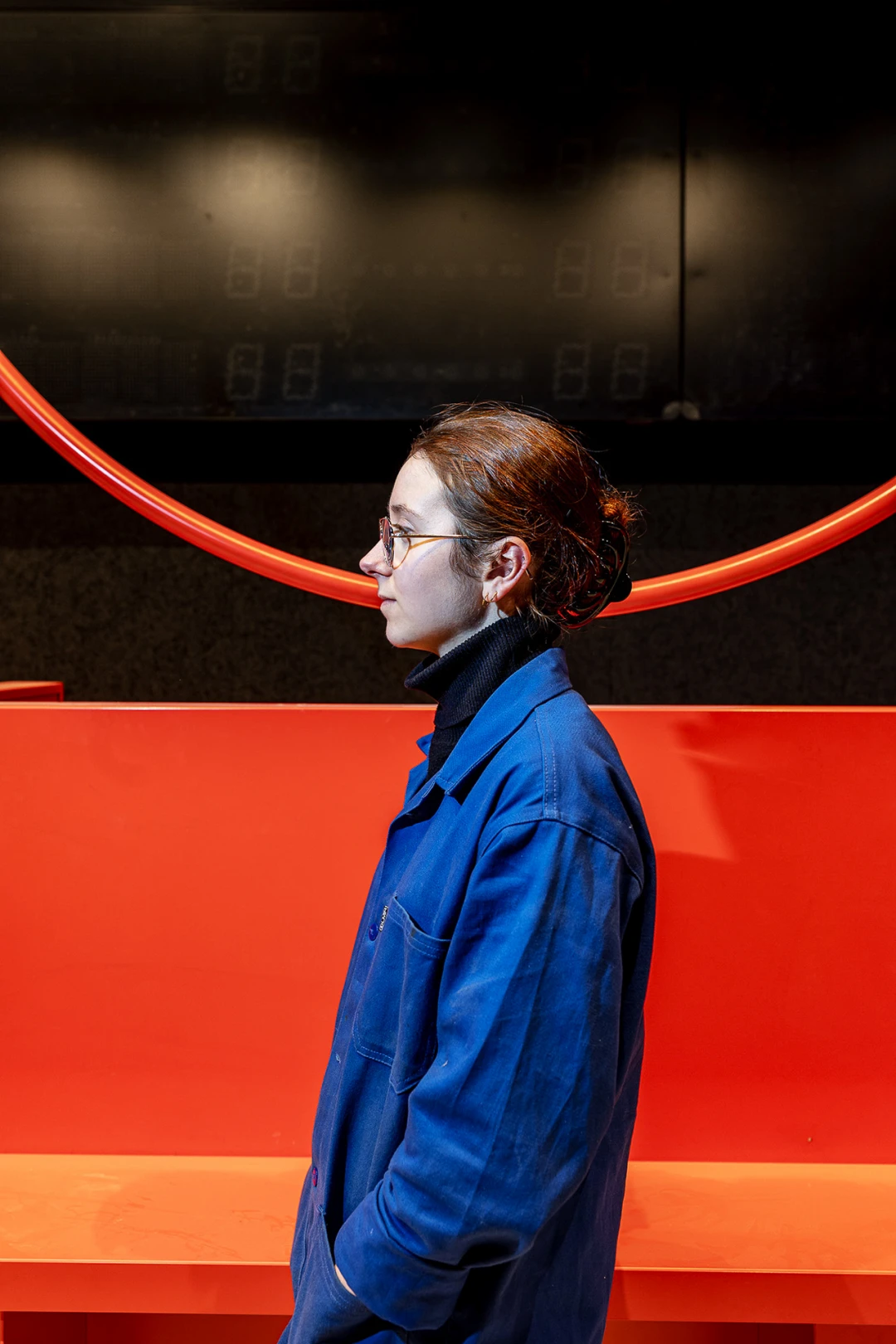
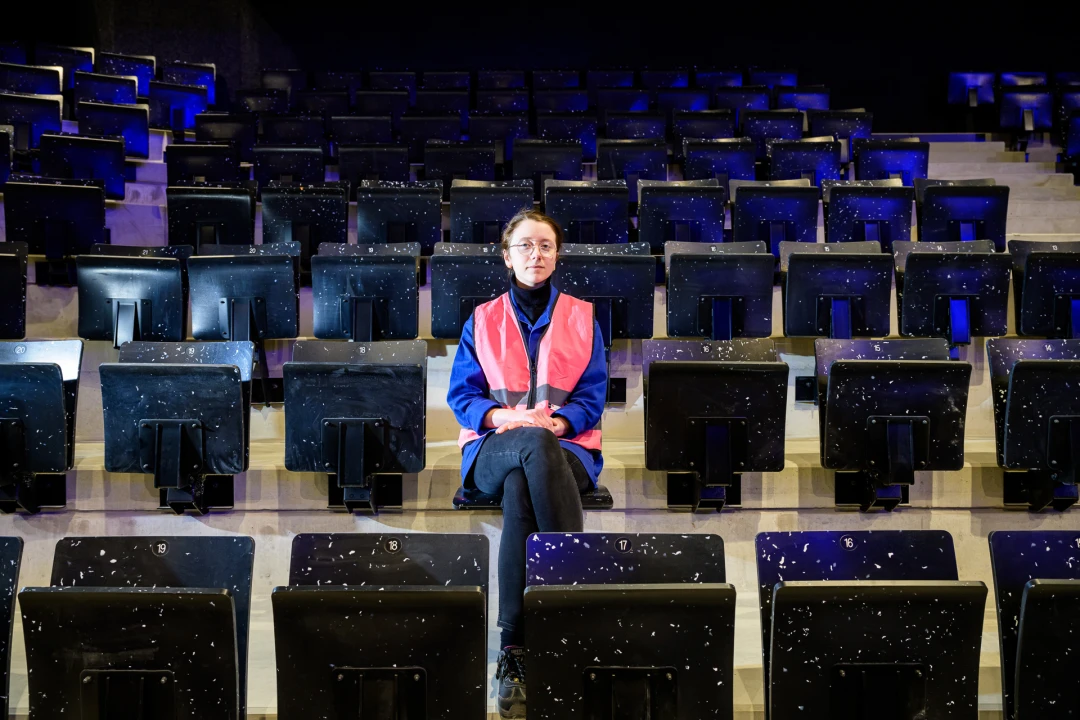
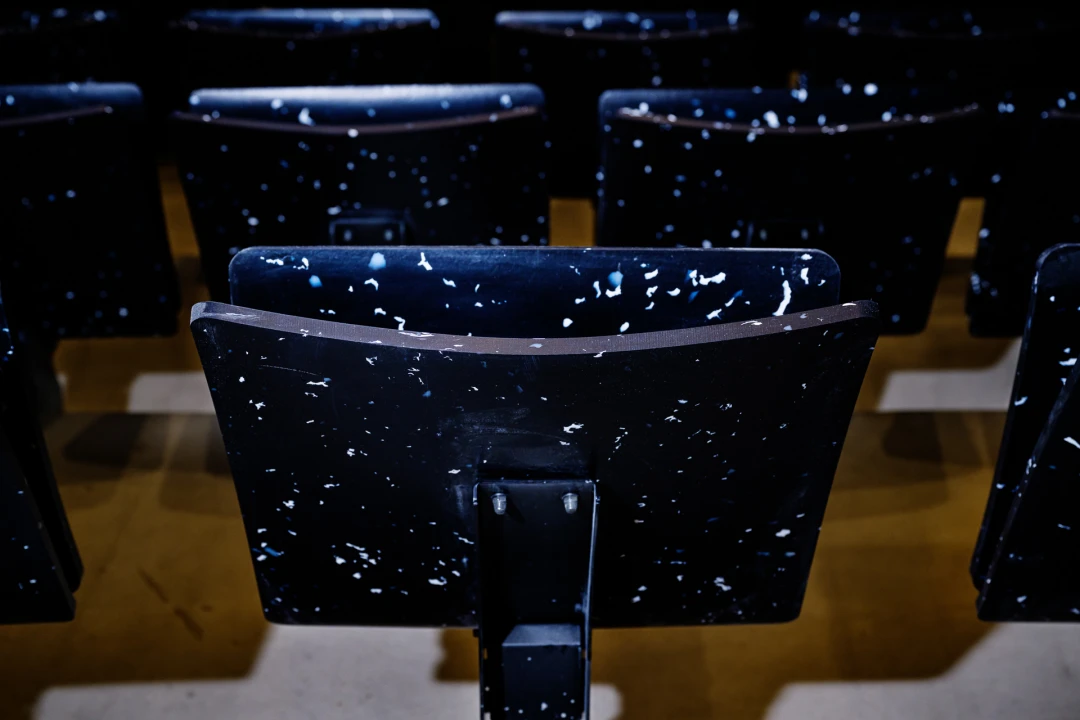
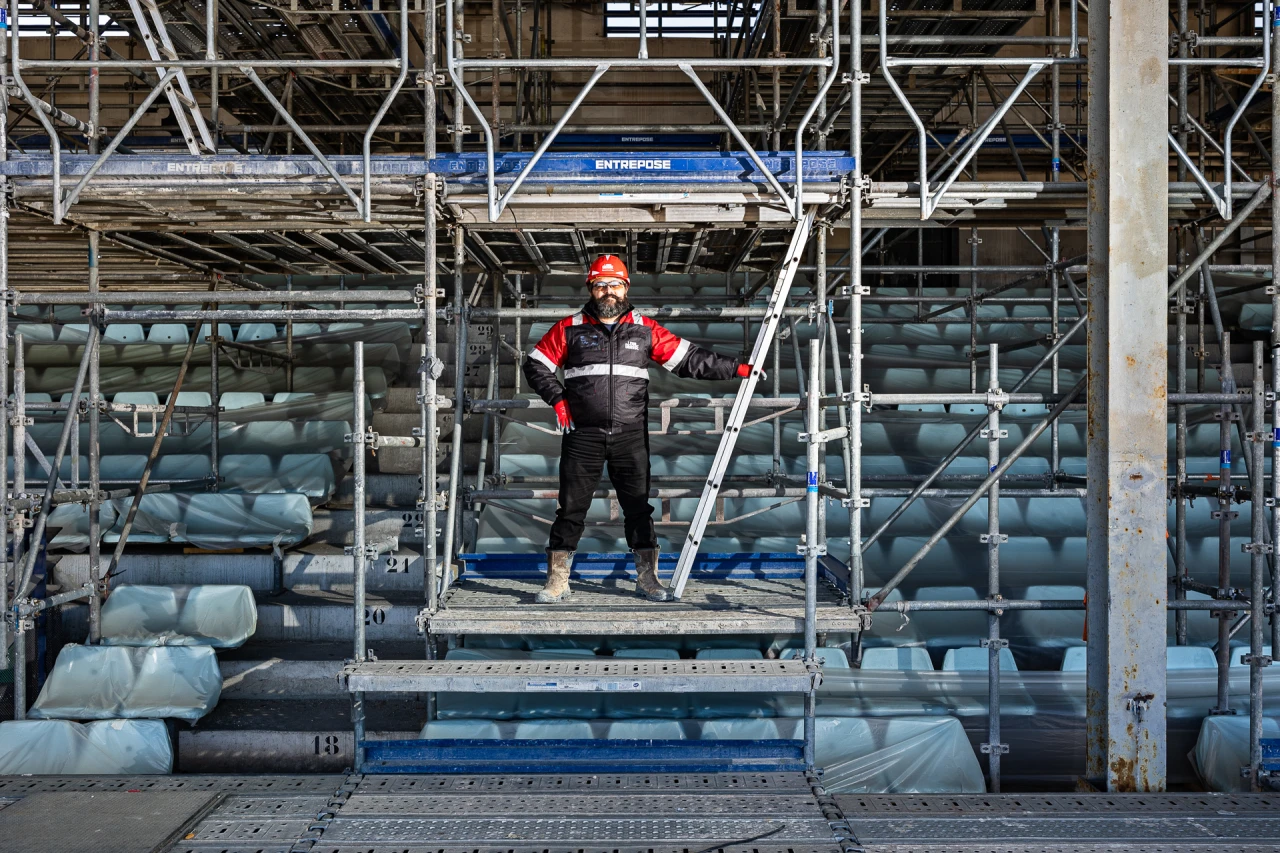
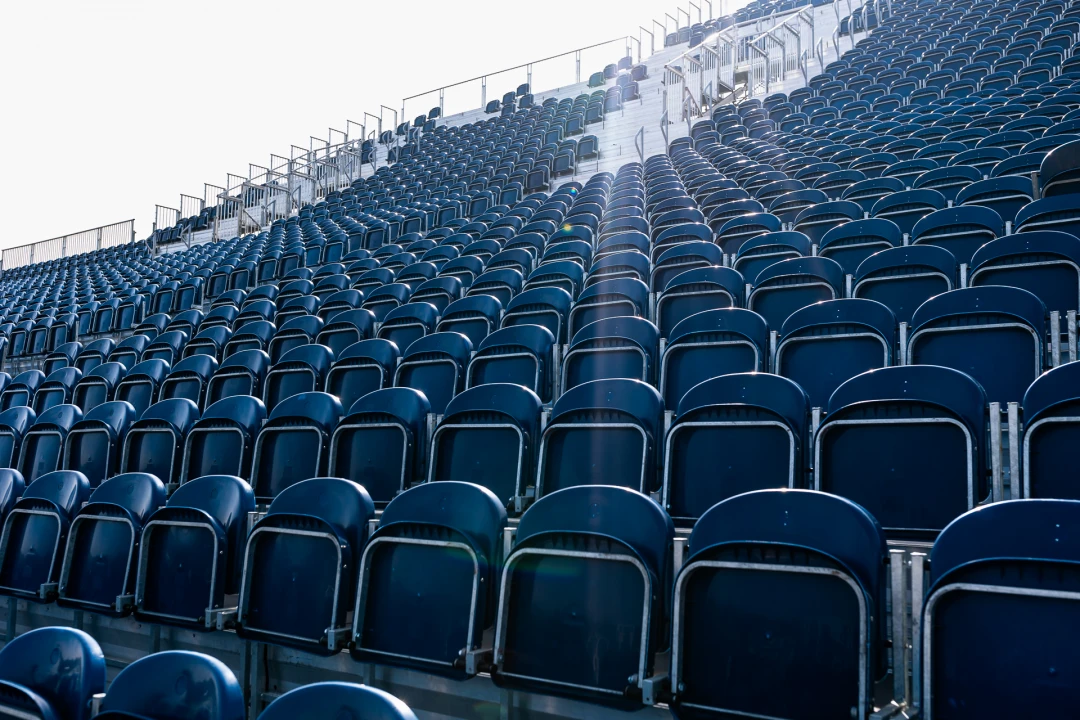
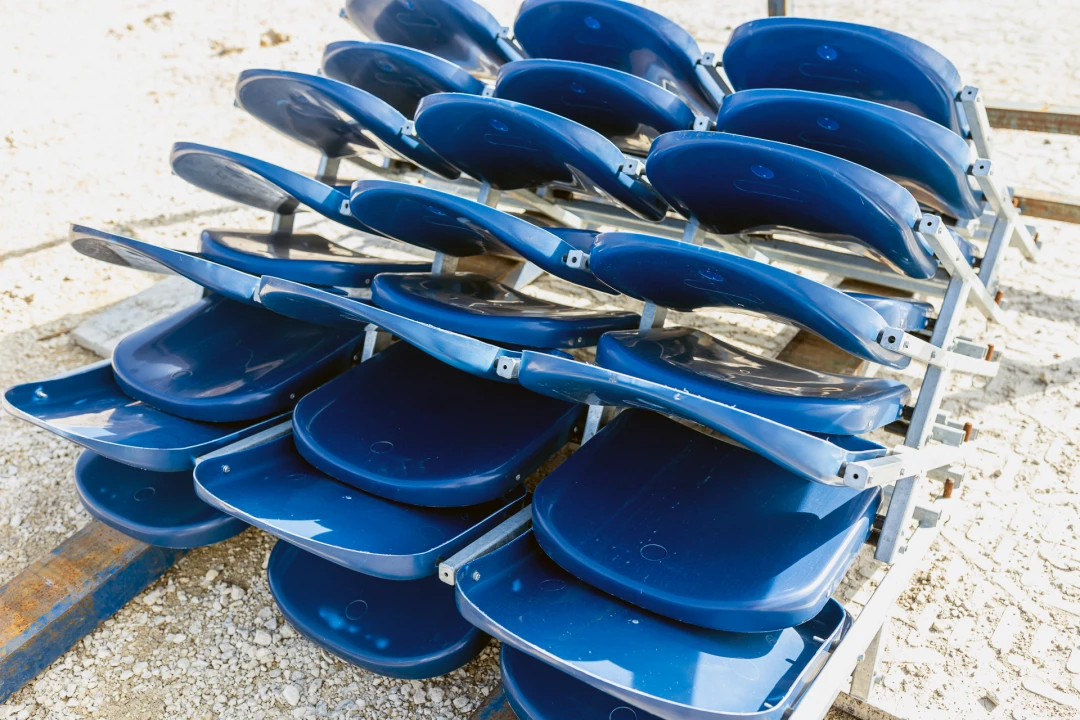
Adèle is working on a major project: the bleacher seats for the Arena La Chapelle and the Centre Aquatique, made from 100% recycled plastic which, for the first time, comes from yellow bins. This is the speciality of the start-up Le Pavé, for which she works. A graduate of INSA Lyon, her job is to develop and implement solutions on an industrial scale.
Sending the first seat curves for machining marked the end of the prototyping phase and the start of series production, a key moment that made her particularly proud. She believes that the three most important qualities in her job are rigour, perseverance and enthusiasm.
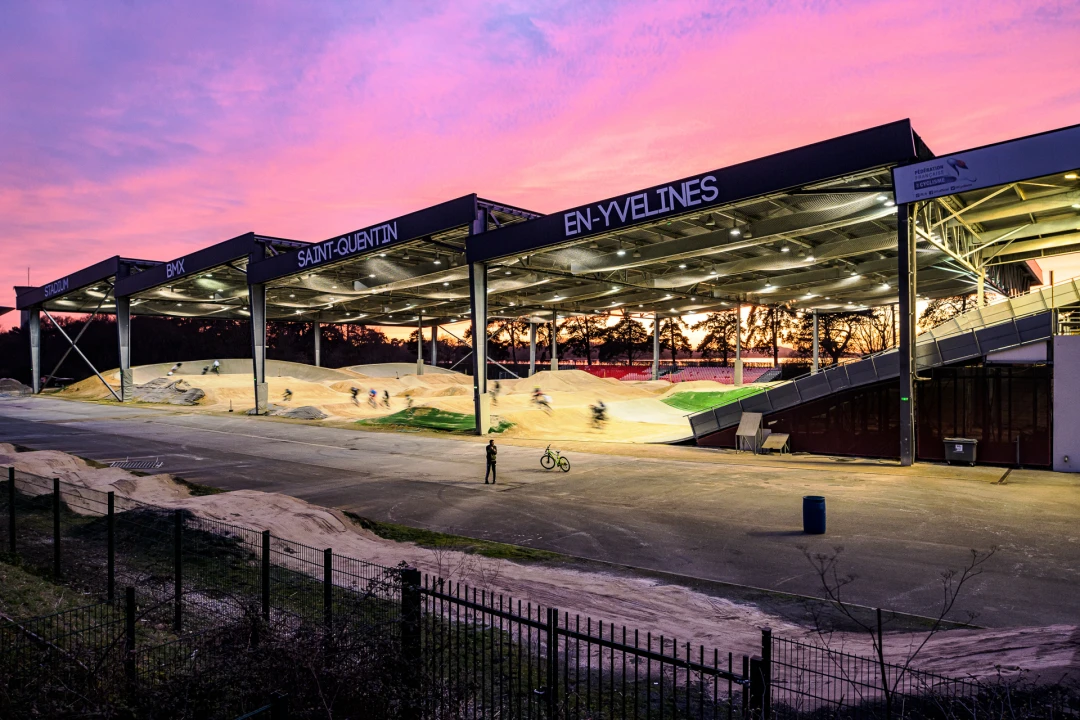
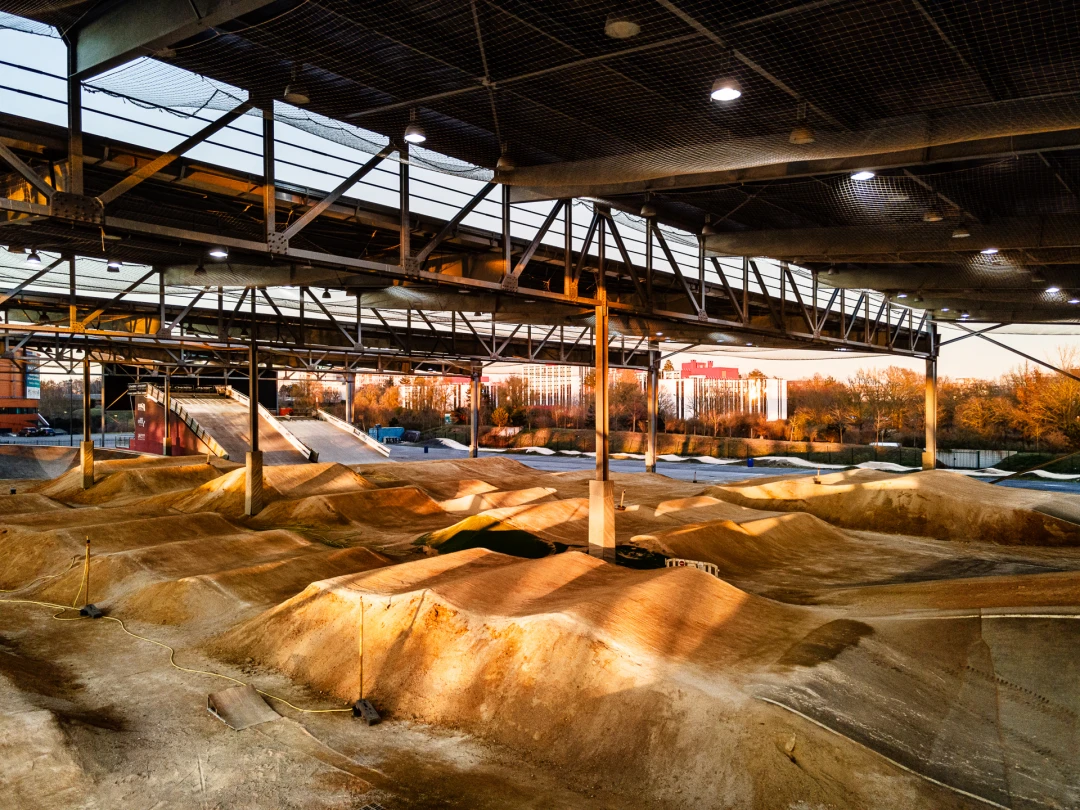
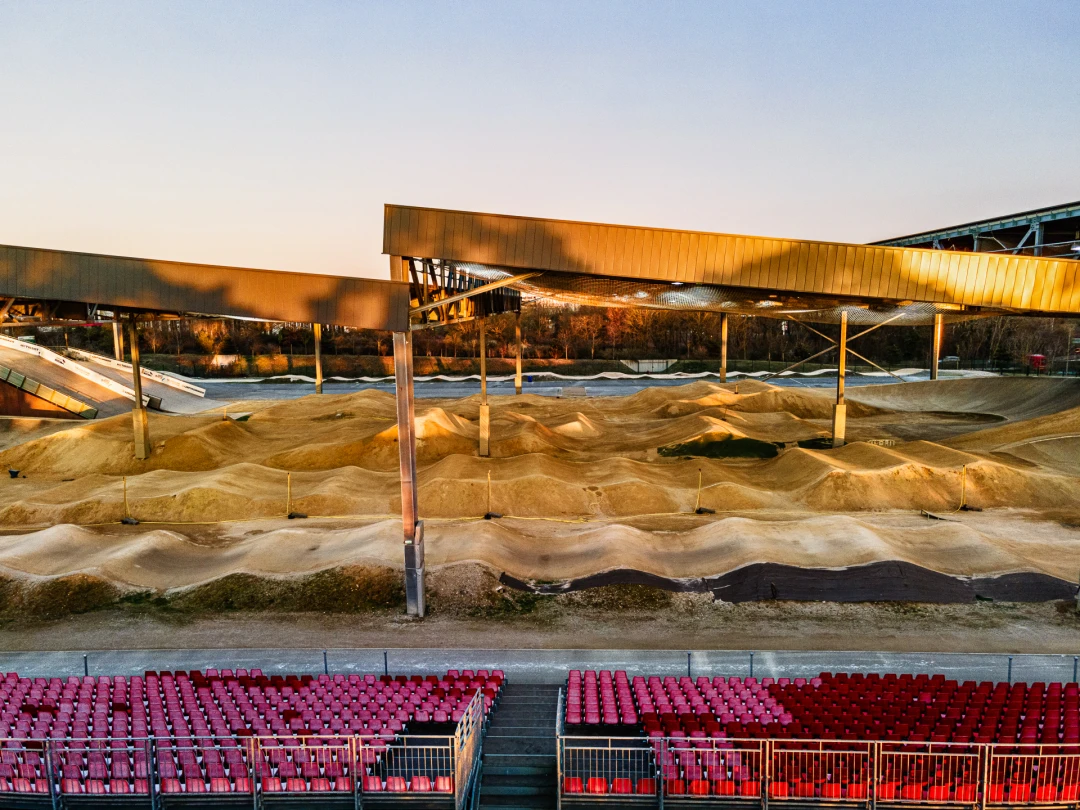
The Stade BMX in Saint-Quentin-en-Yvelines is home to one of the few covered and floodlit BMX tracks in Europe. Inaugurated in 2014, this top-class complex regularly hosts national and international competitions. The French BMX team regularly trains here. The 400-metre track has been redesigned in preparation for the Games.
The venue attracts all kinds of BMX enthusiasts, and offers training and introductory programmes for beginners.
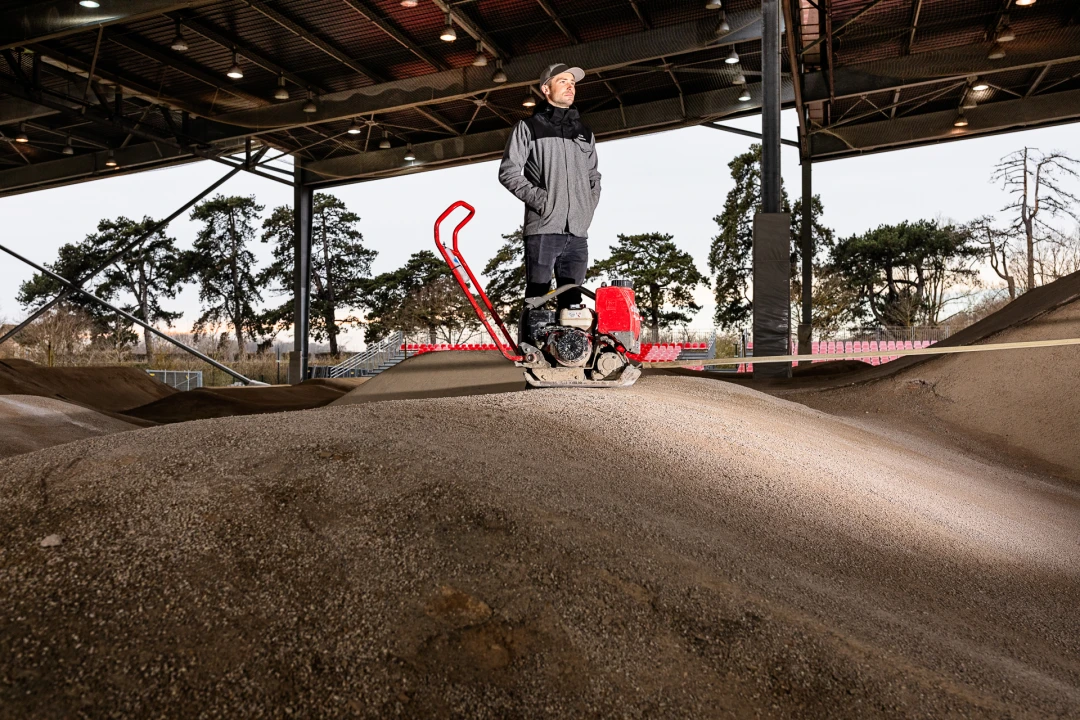
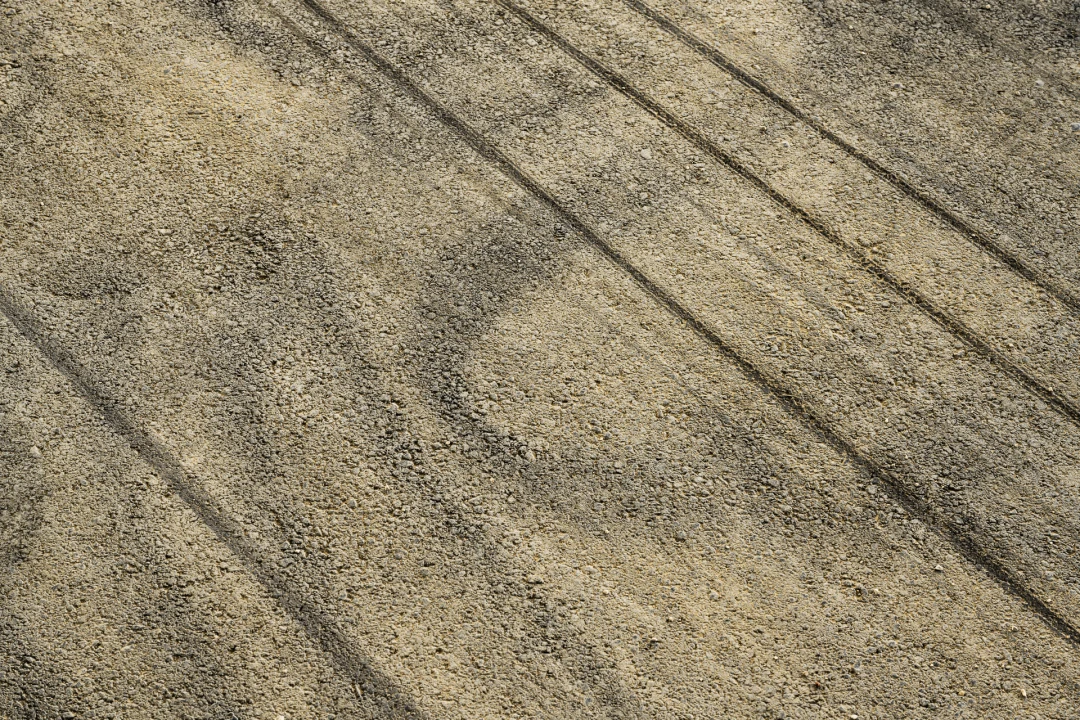
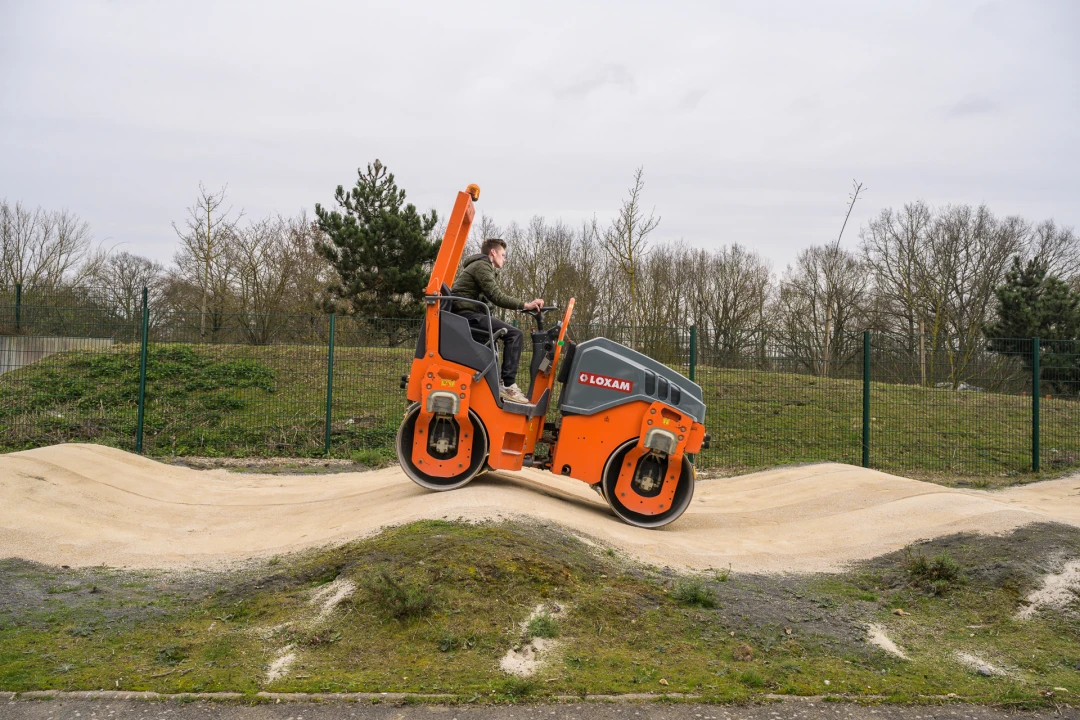
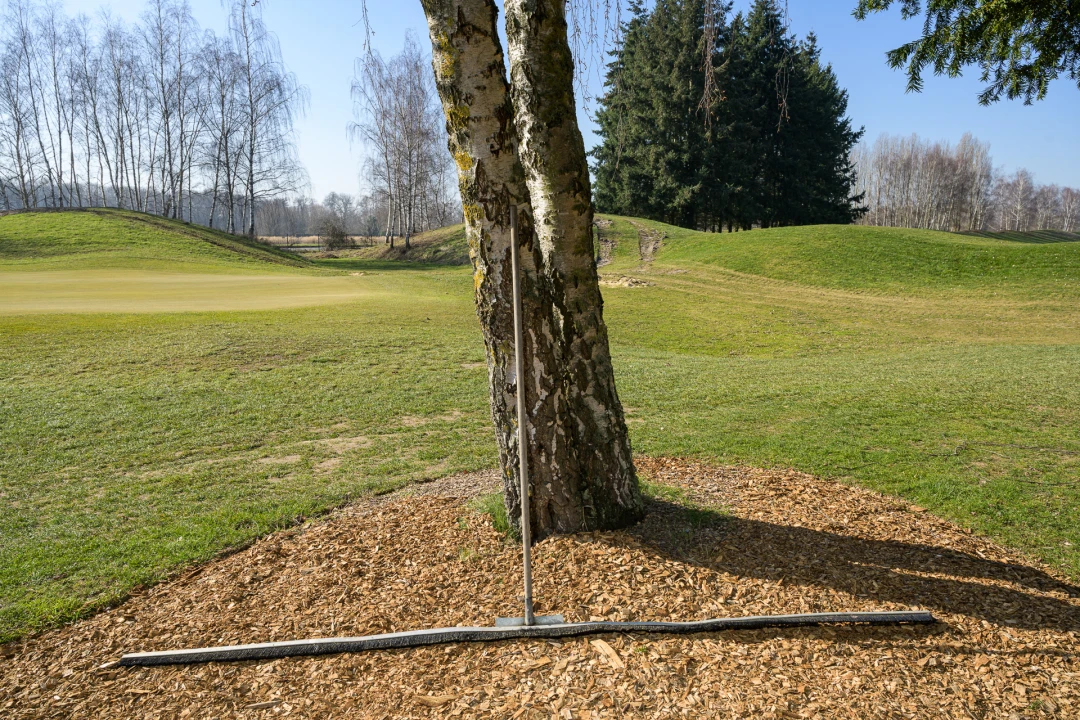
Currently an Elite rider, Romain has been riding BMX since the age of six. At the age of fourteen, he developed a passion for track preparation. It’s a job that requires a smooth, fluid and durable surface, without a trace, especially during the delicate compaction stage. Romain has even made his own tools, including wooden squeegees of various sizes. He is taking part in the Games at the side of the track, having failed to qualify as a driver.
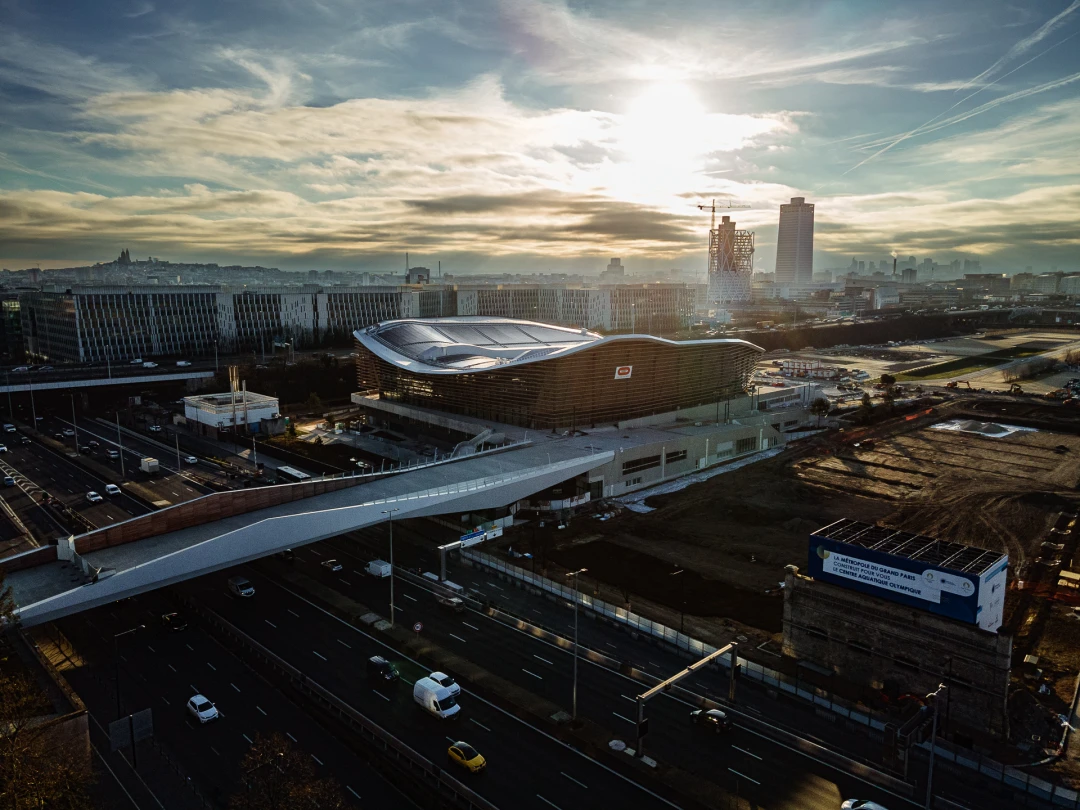
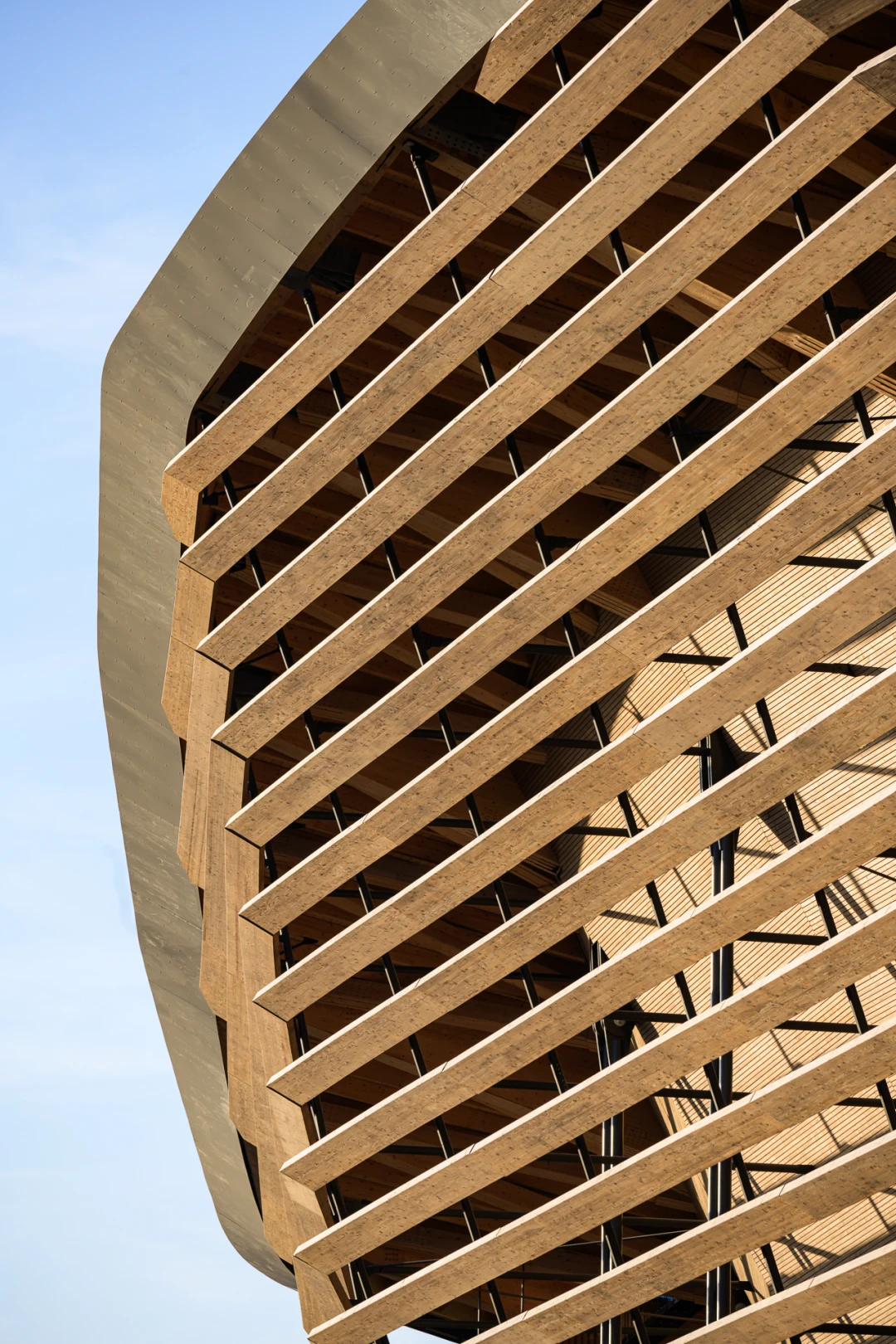
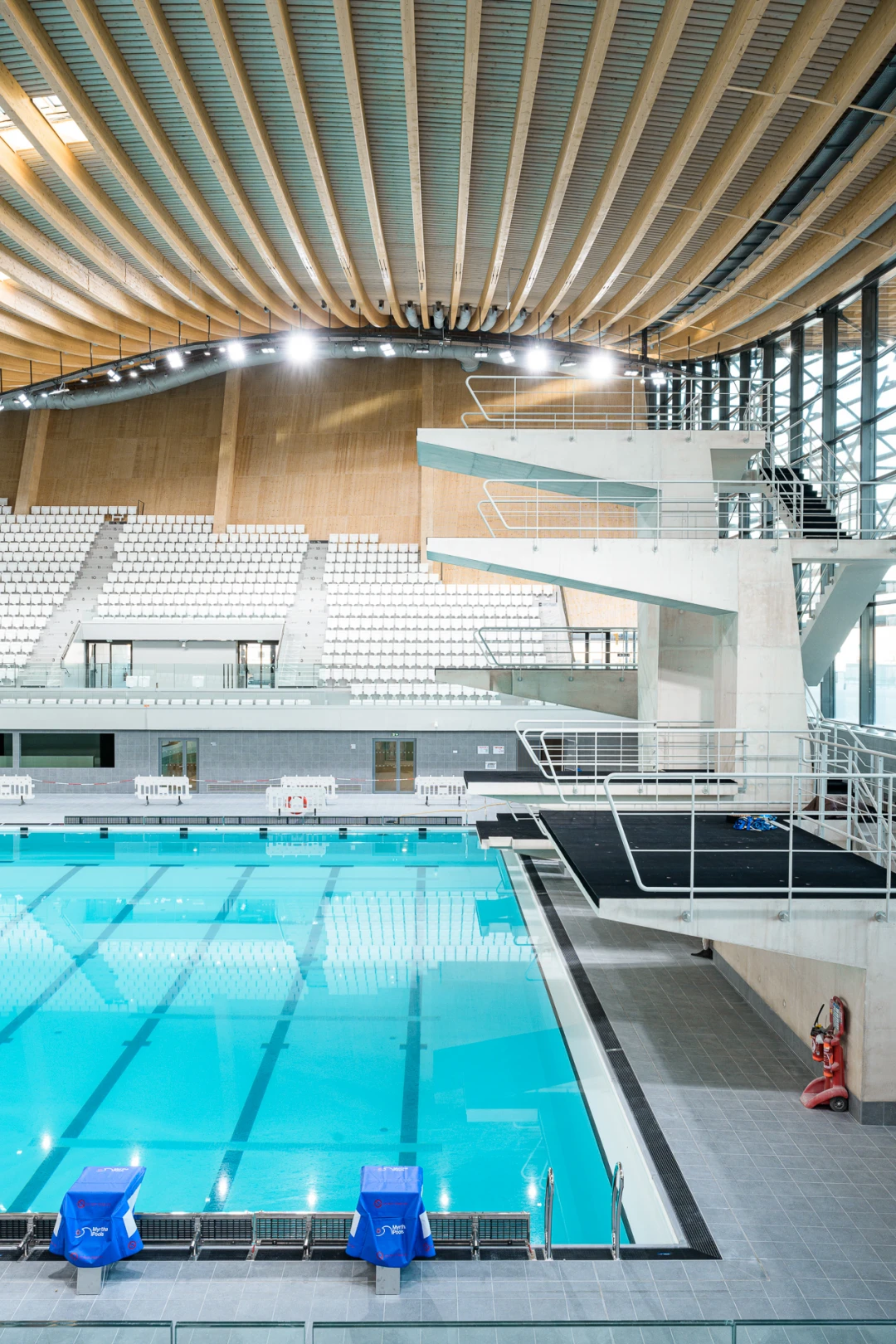
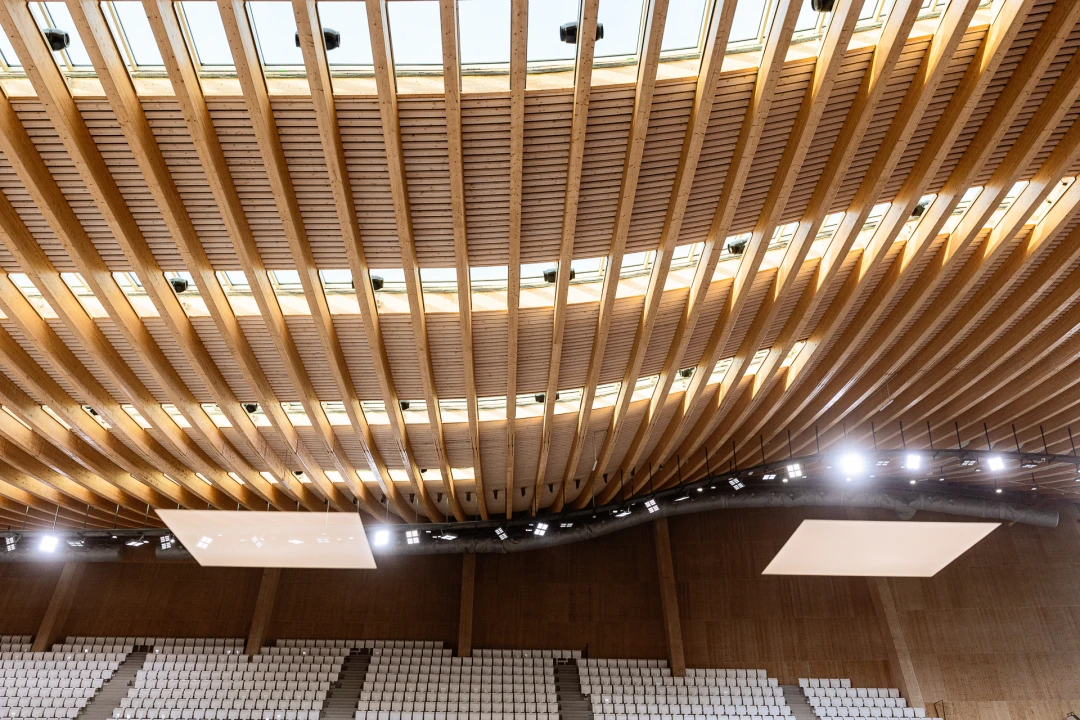
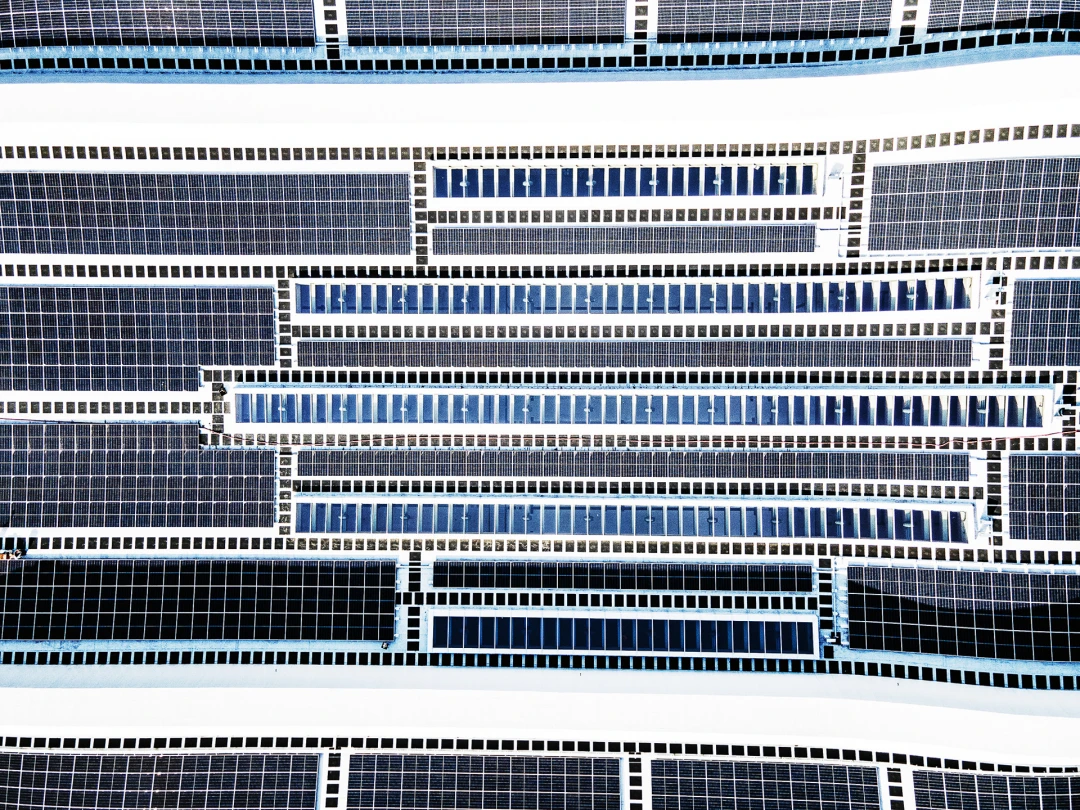
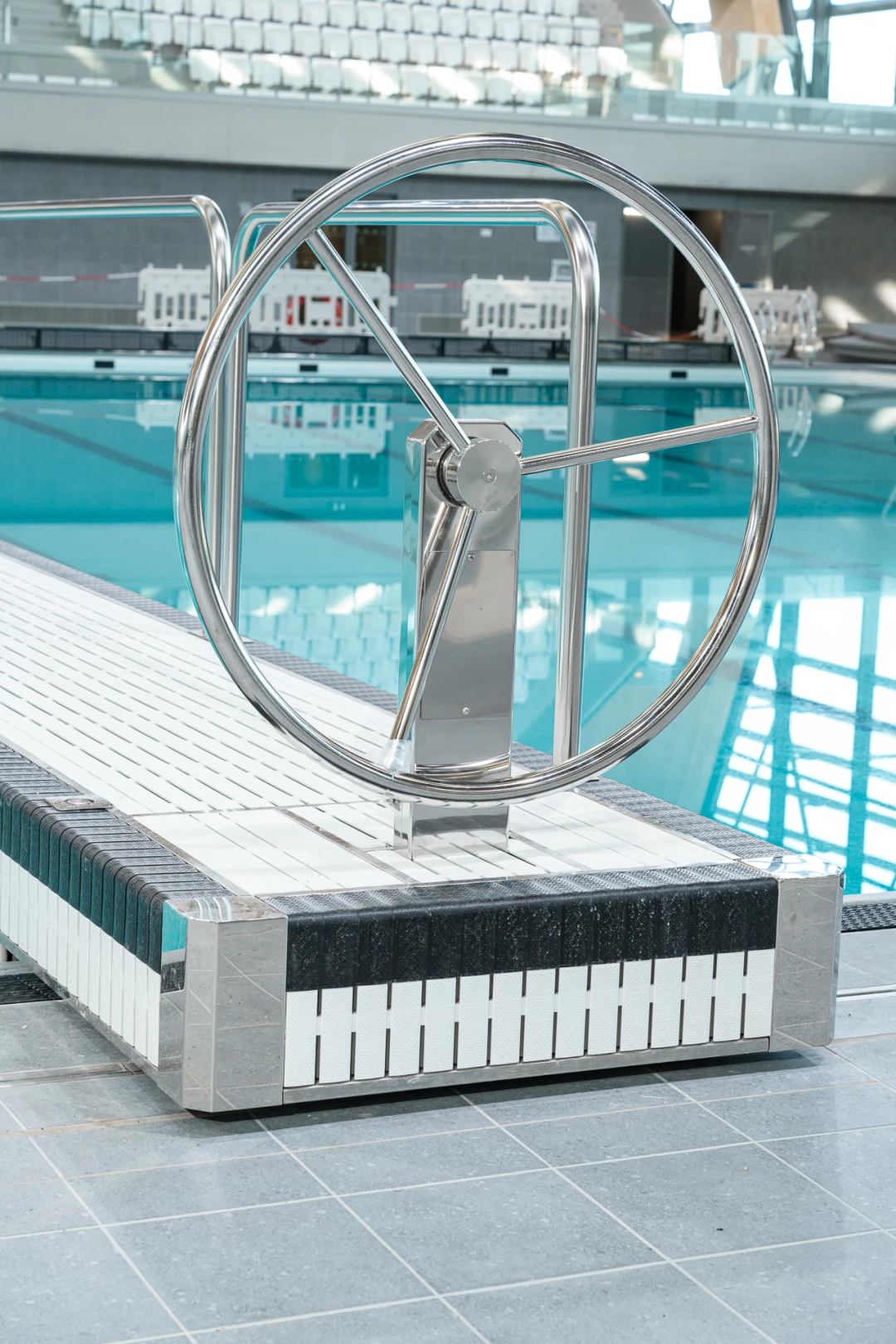
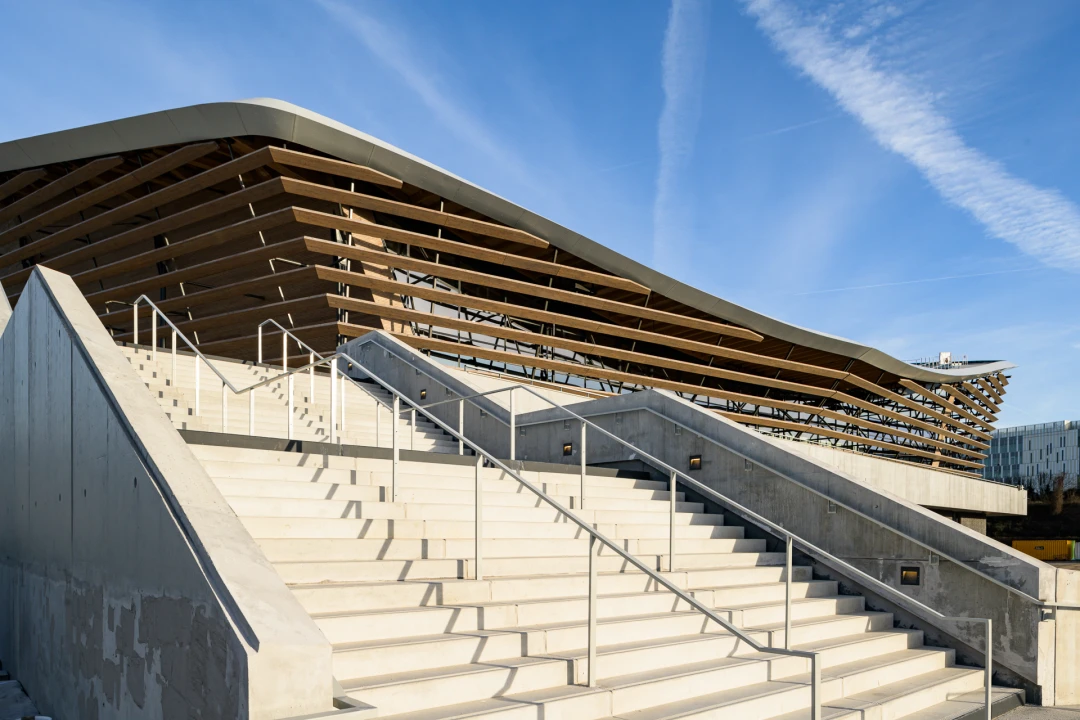
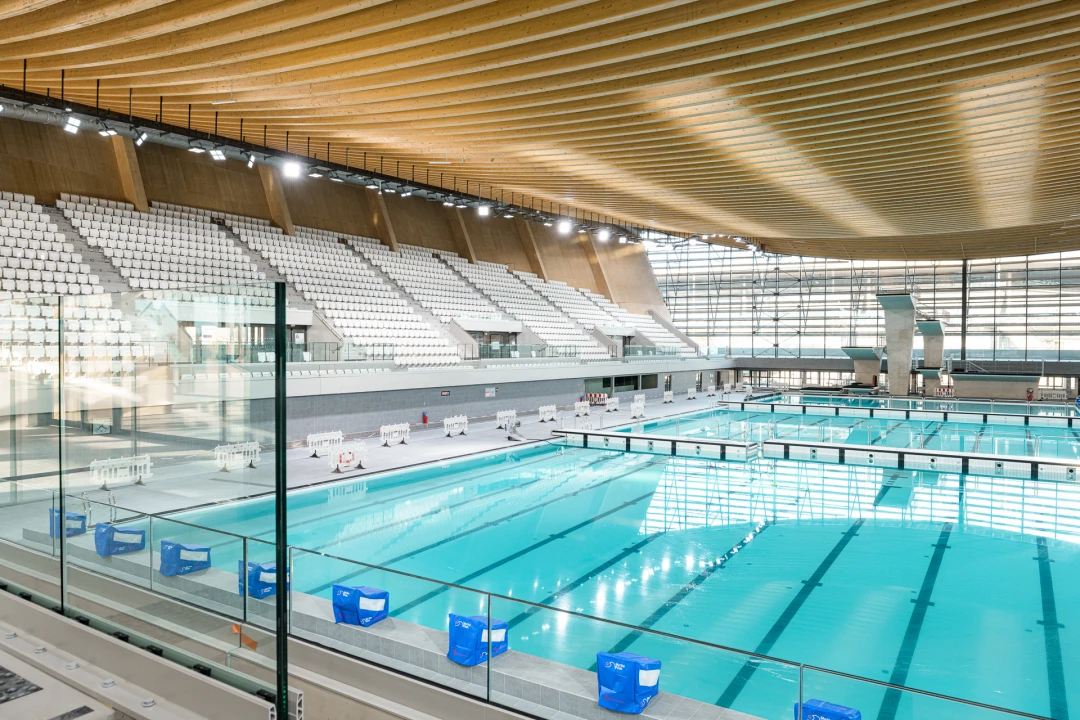
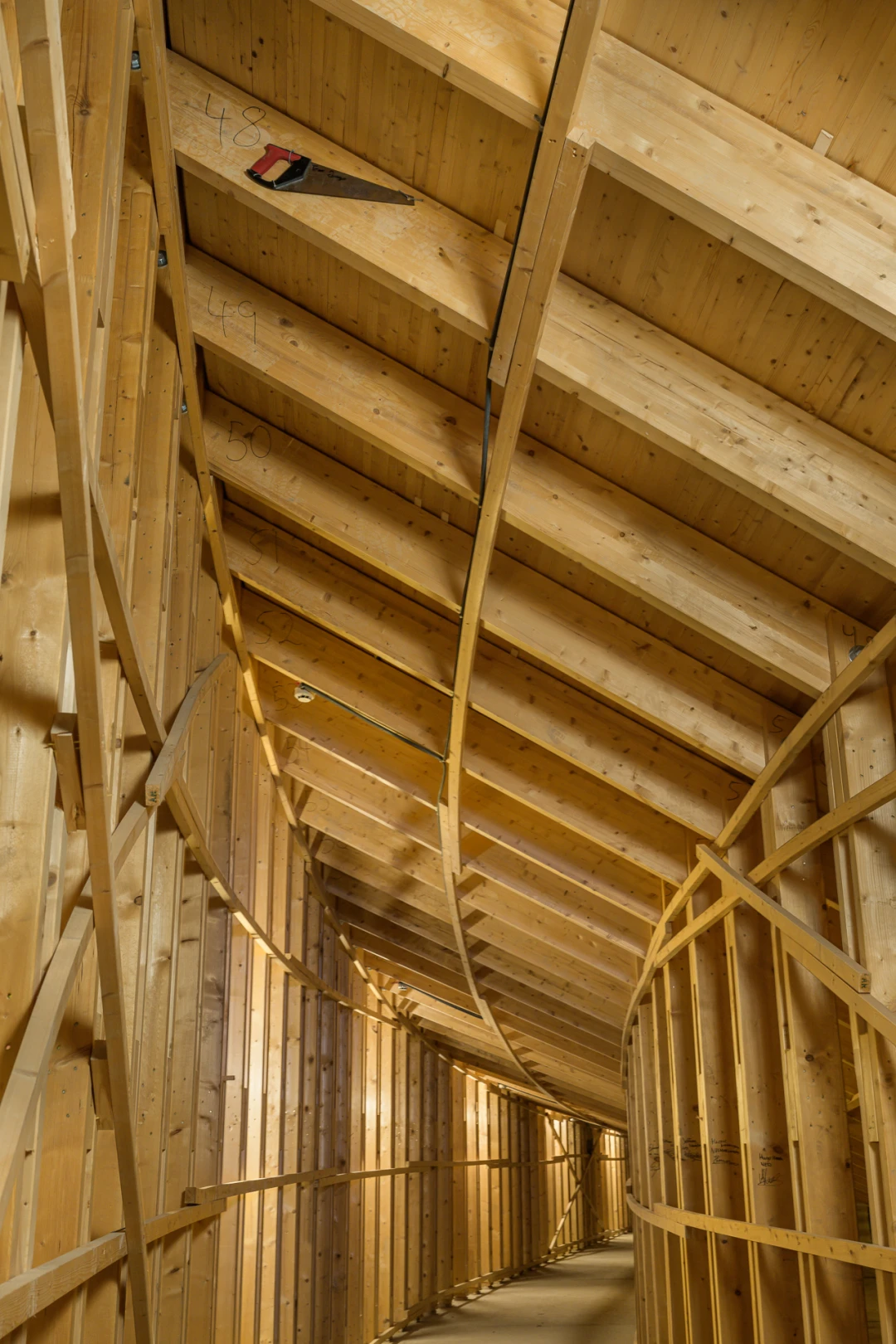
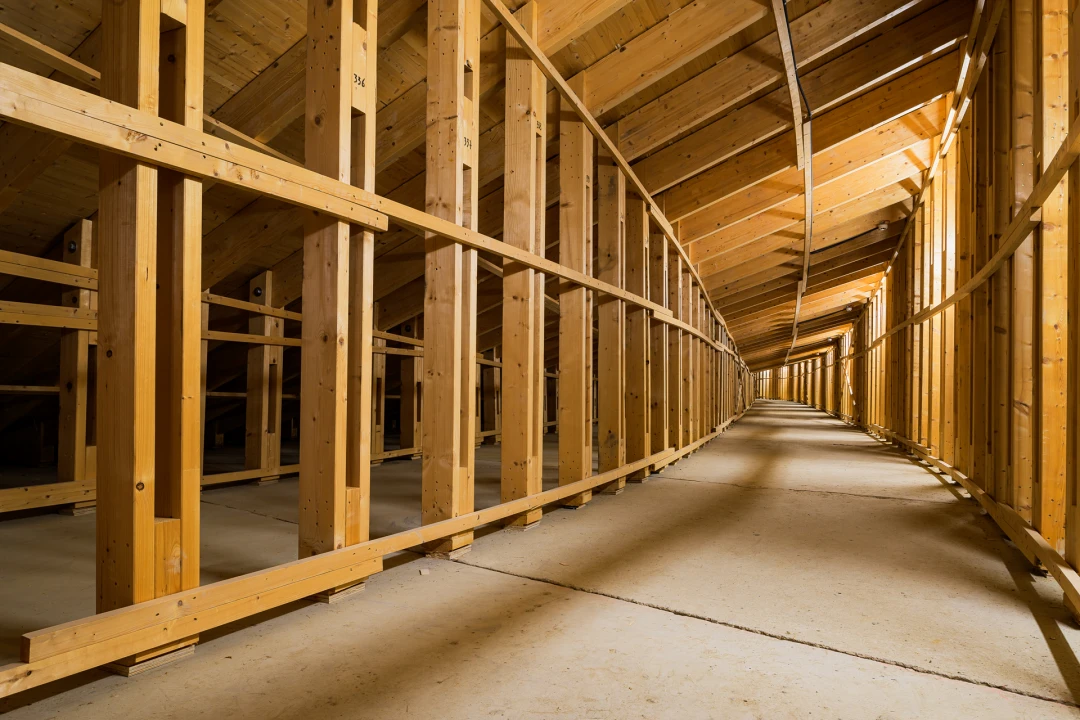
The Olympic Aquatics Centre’s framework is made of wood. Its 5,000 m2 roof is covered with photovoltaic panels. The interior fittings are made from recycled materials. Heating and hot water are largely supplied by biomass and heat recovery from an adjacent data centre. The concave roofline optimises the heated volume.
From 2025, it will be open to the general public, will host swimming competitions and will become the French diving centre.
Giorgia is in charge of promoting her company, Myrtha Pools, which built the stainless steel modular pool at the Olympic Aquatic Centre. She has been following the French public pool market for a long time. She now works in the events division.
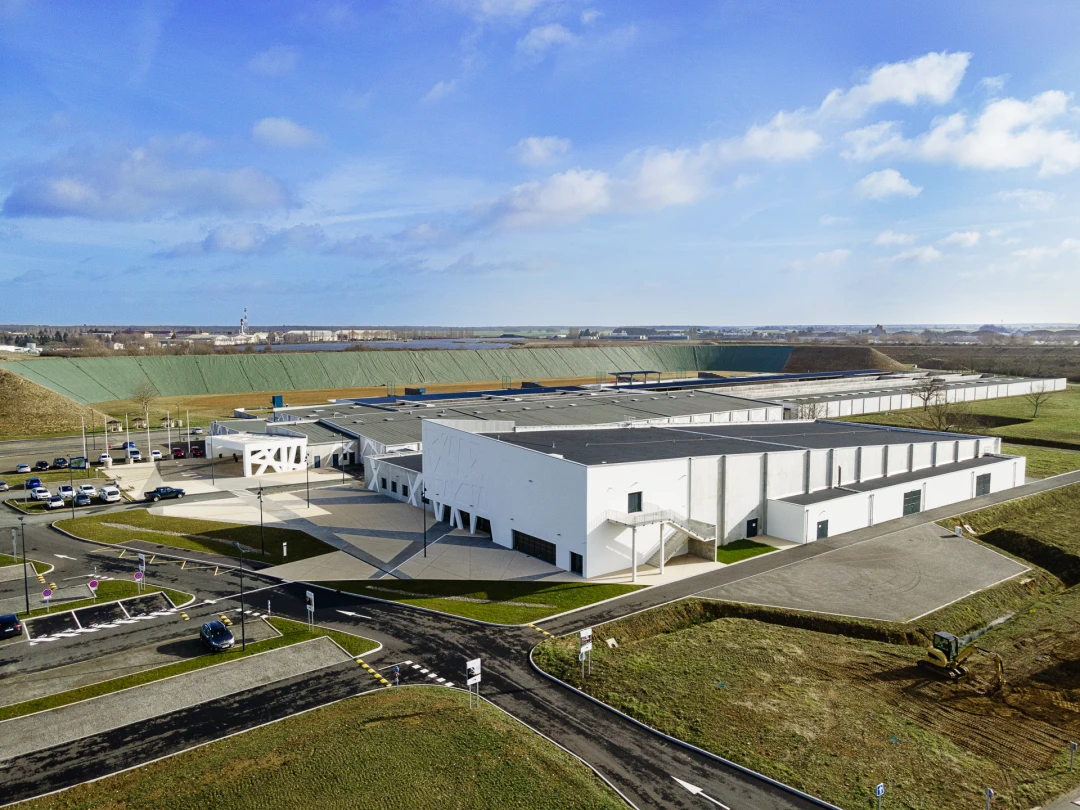
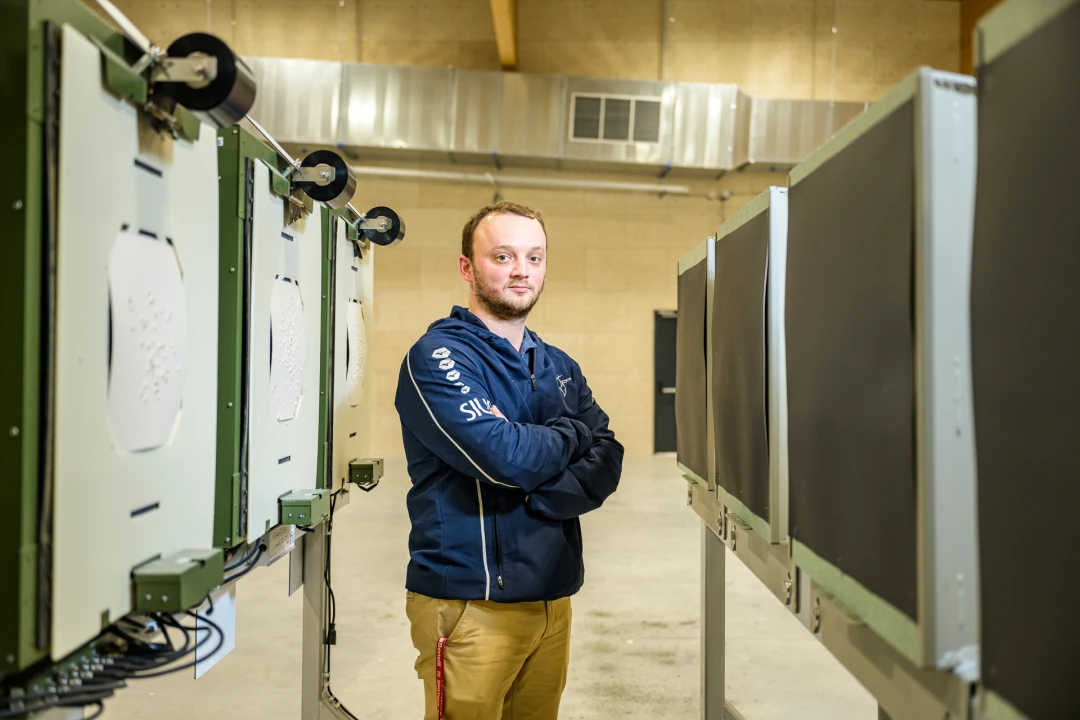
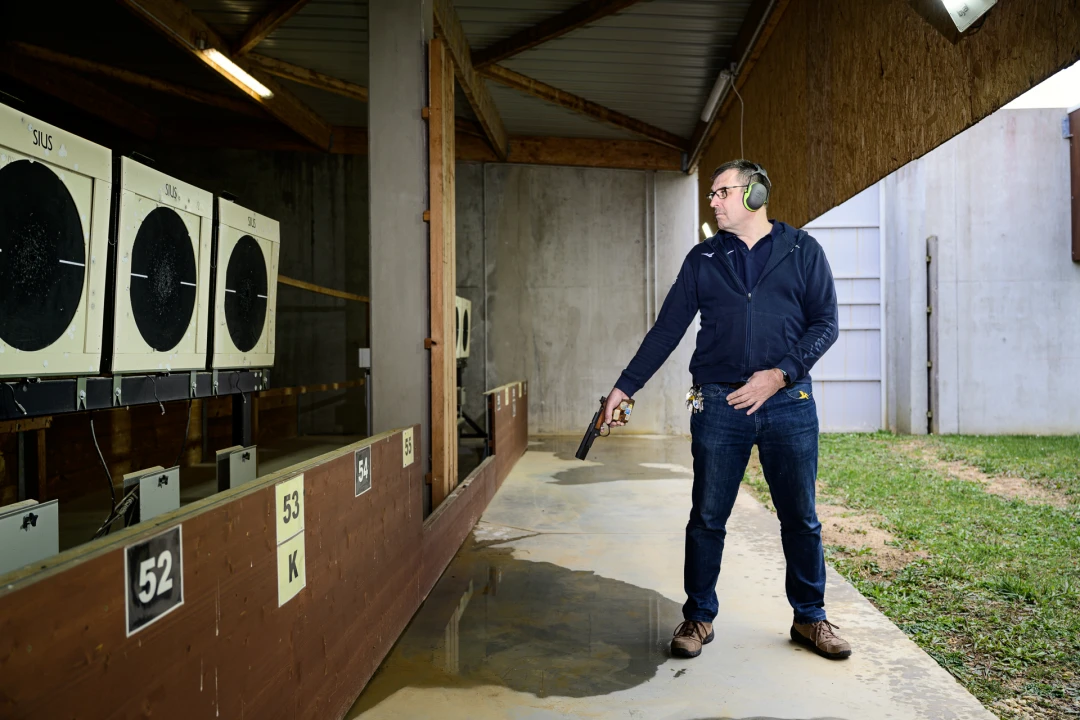
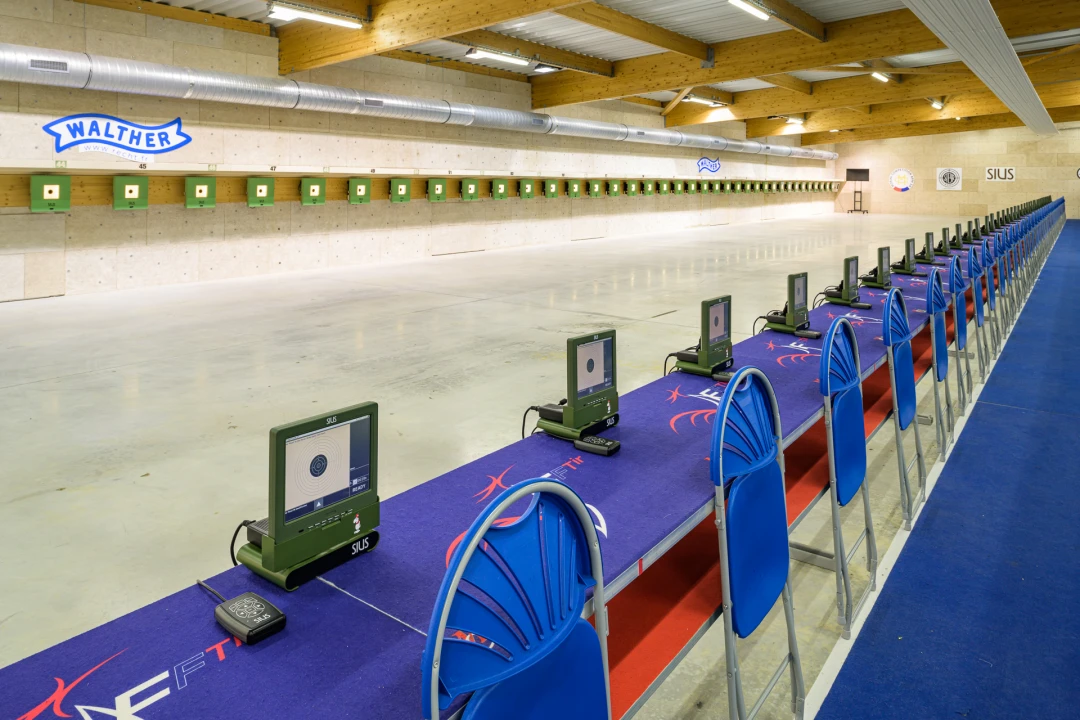
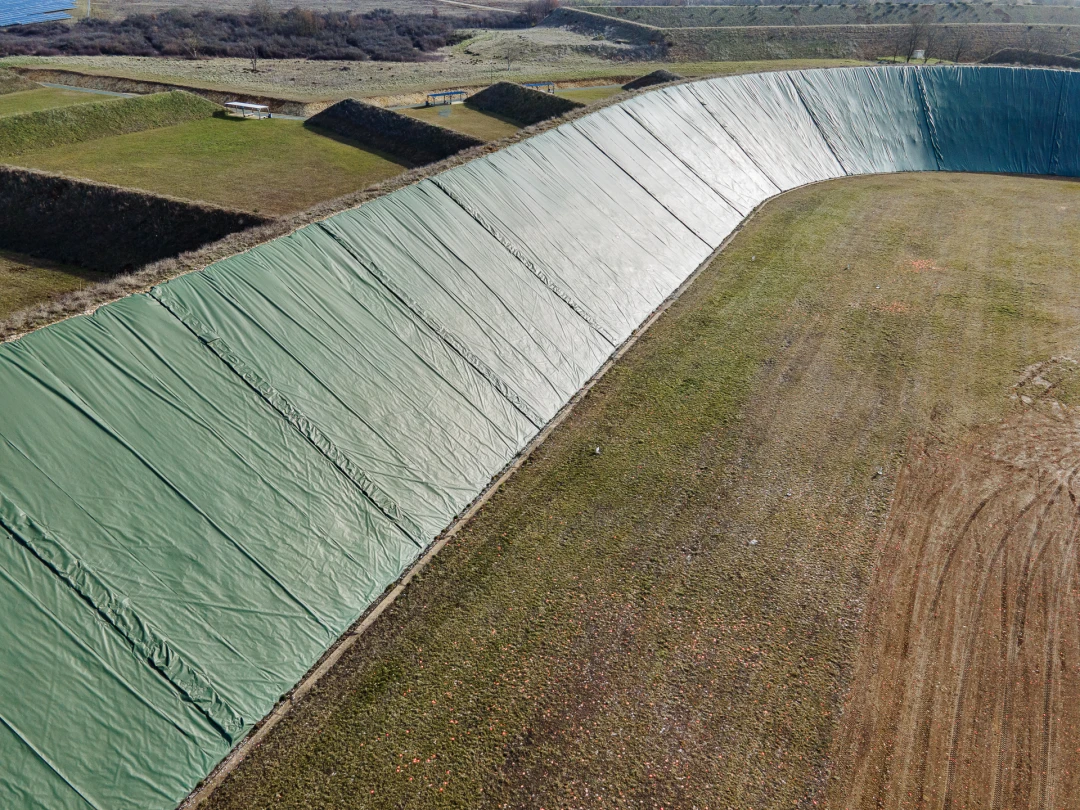
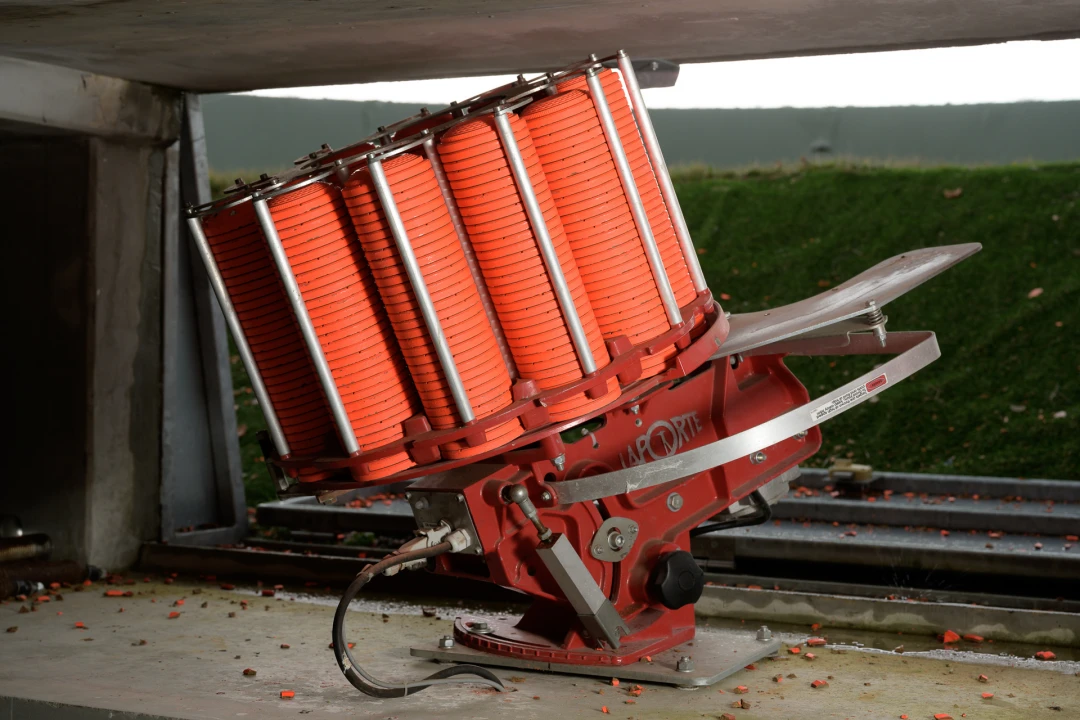
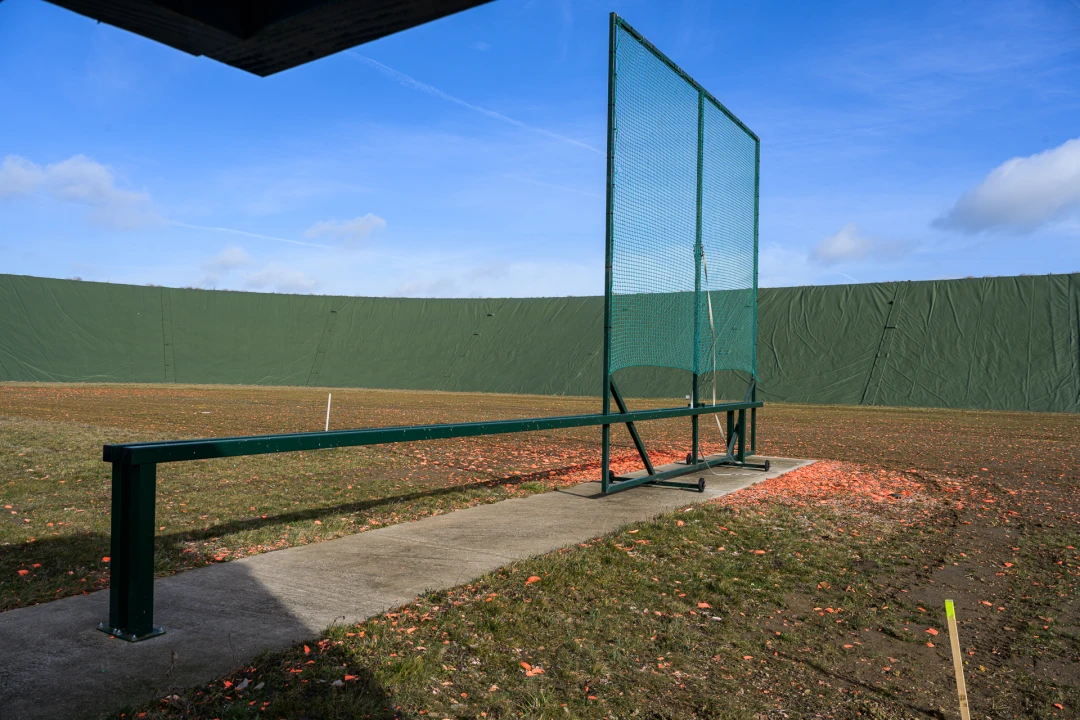
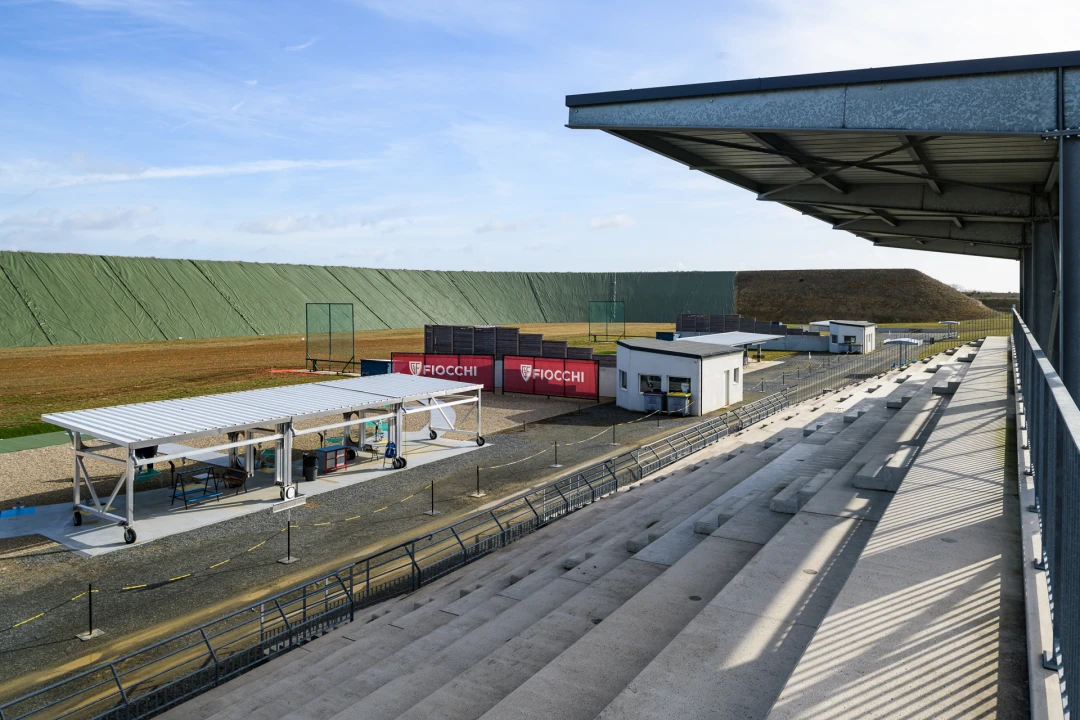
Inaugurated in 2018, the Centre National de Tir Sportif (CNTS) occupies around a hundred hectares of what was the largest NATO base in Europe until 1962. Today, this sports facility offers twelve shooting disciplines ranging from 10 to 600 metres. With the addition of a ‘Finals Stand’ in 2022, it now hosts the biggest national and international shooting competitions.
Open to members of the French Shooting Federation, the CNTS is also a training site for the French national teams and a training centre.
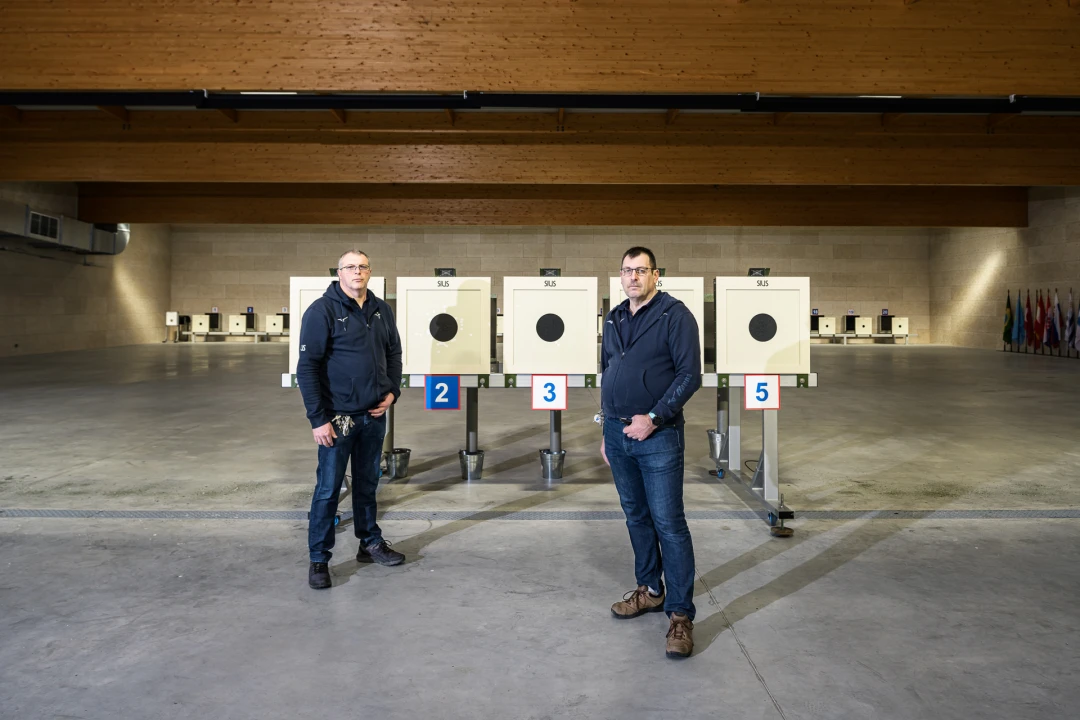
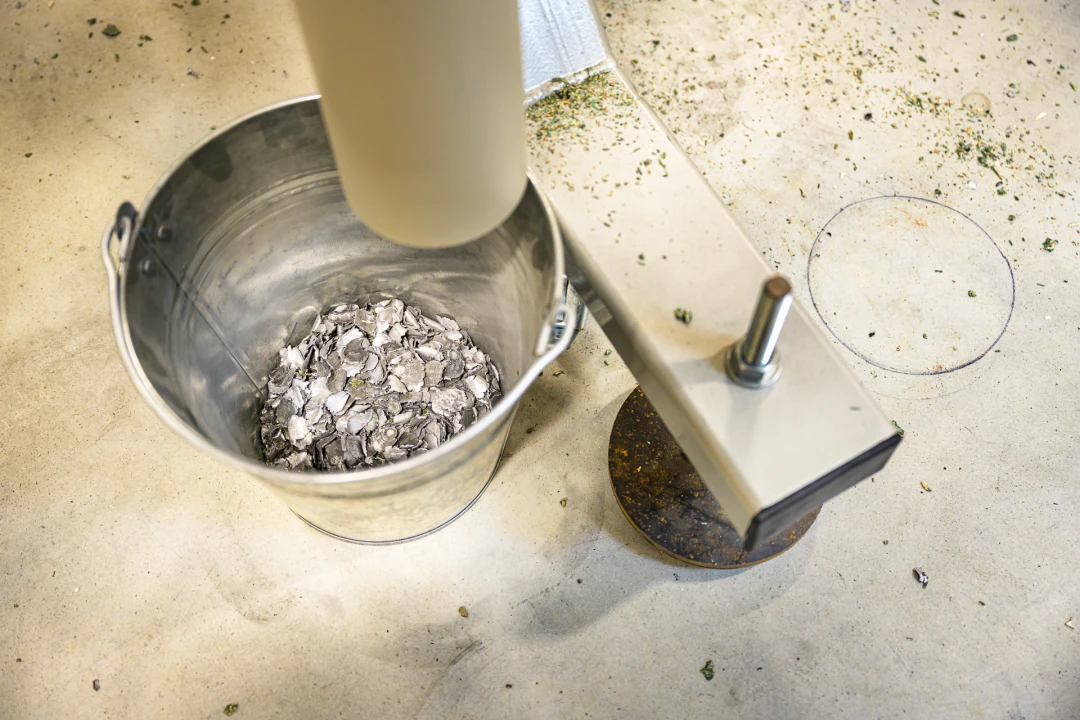
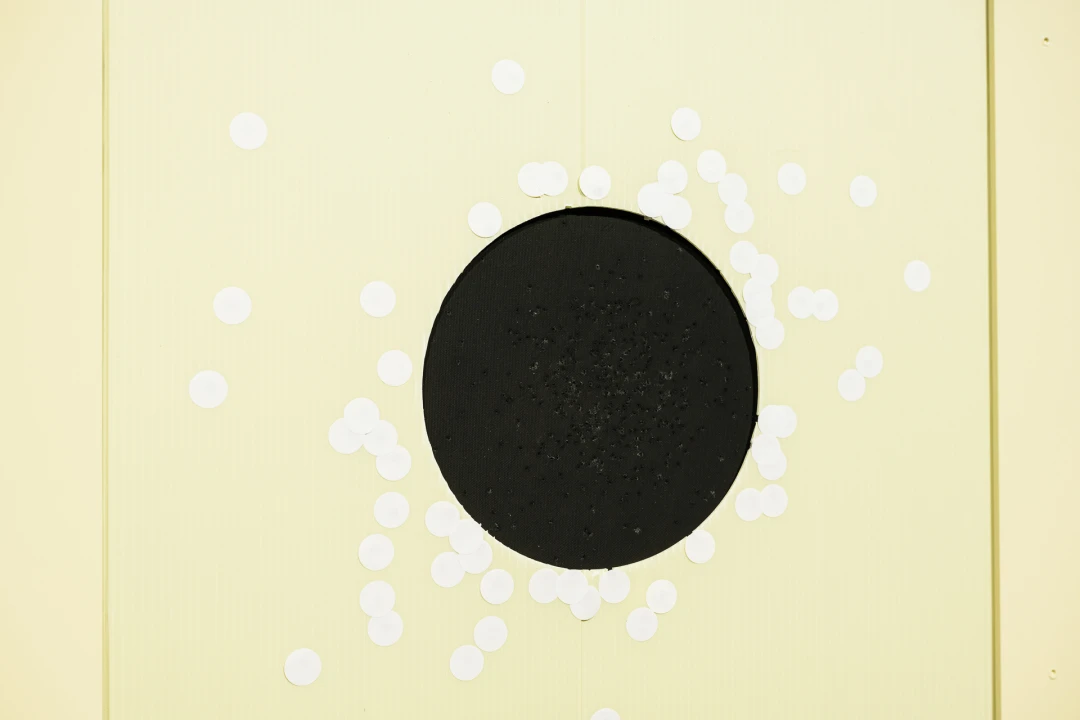
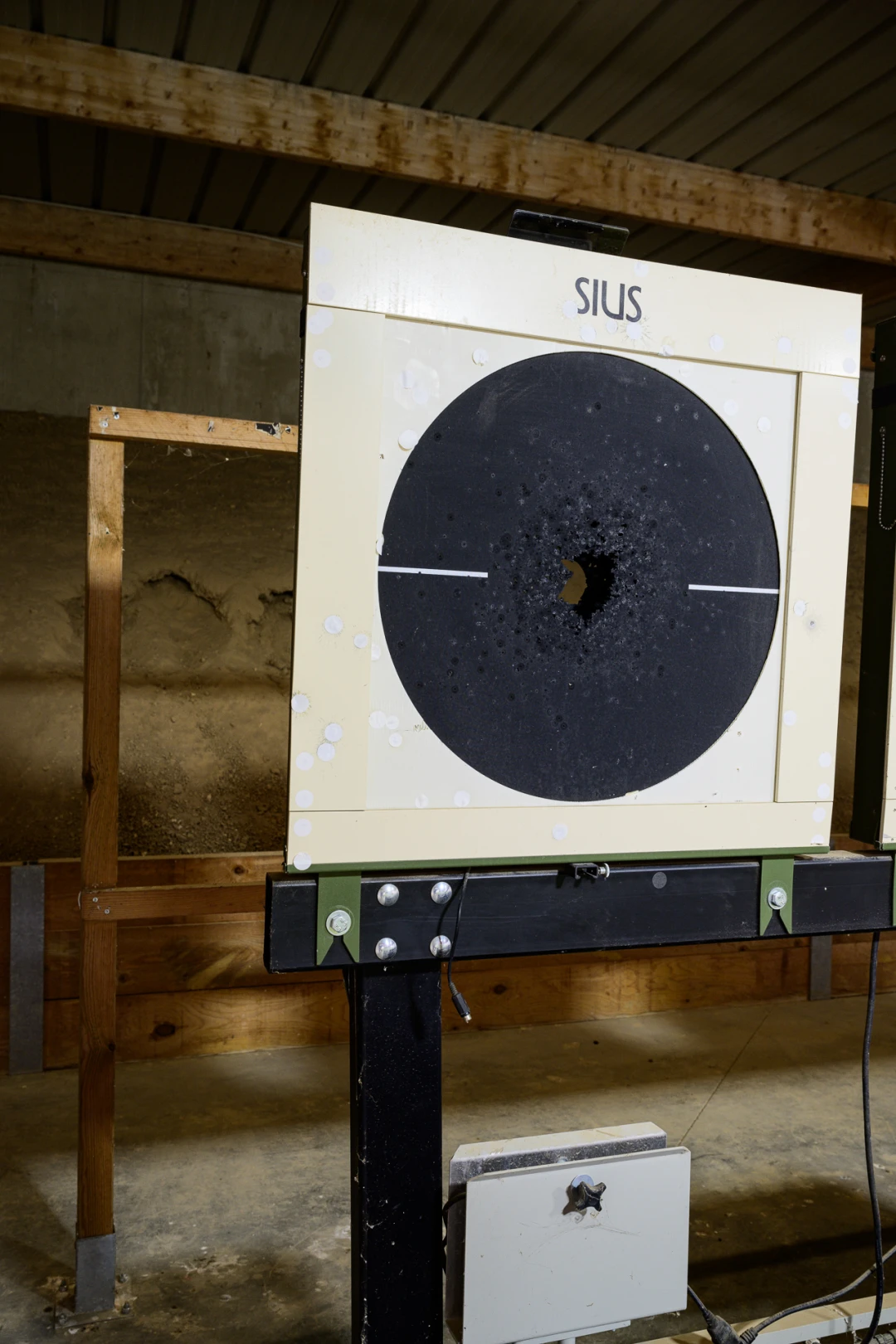
Together, Armand and Gérard-Yves installed all the targets, cables, and video feedback systems. They designed and produced everything in-house, from the specifications to the final installation, including testing and ordering the equipment. They manage all the targets and without them, there would be no shooting competition. As Armand explains: “The athletes don’t really realise it. They shoot, the result is displayed and the prize list comes out... it all seems natural to them. That’s our pride!”
Both have been shooters for decades and now devote themselves entirely to their passion.
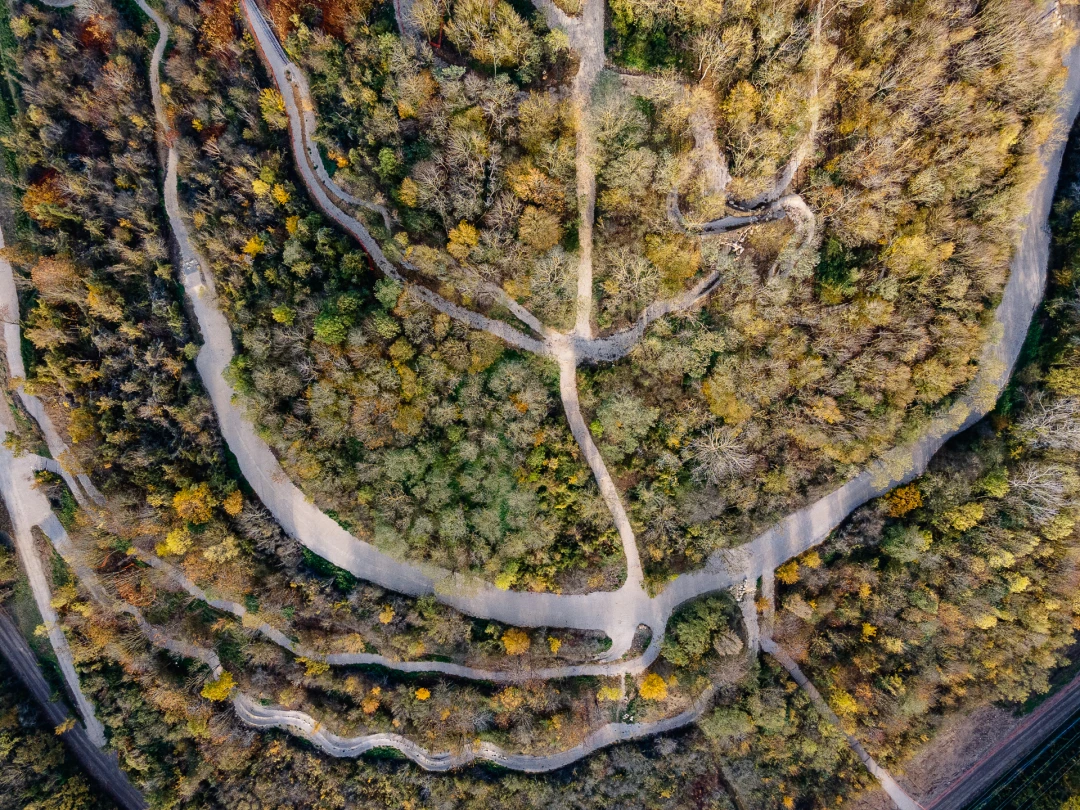
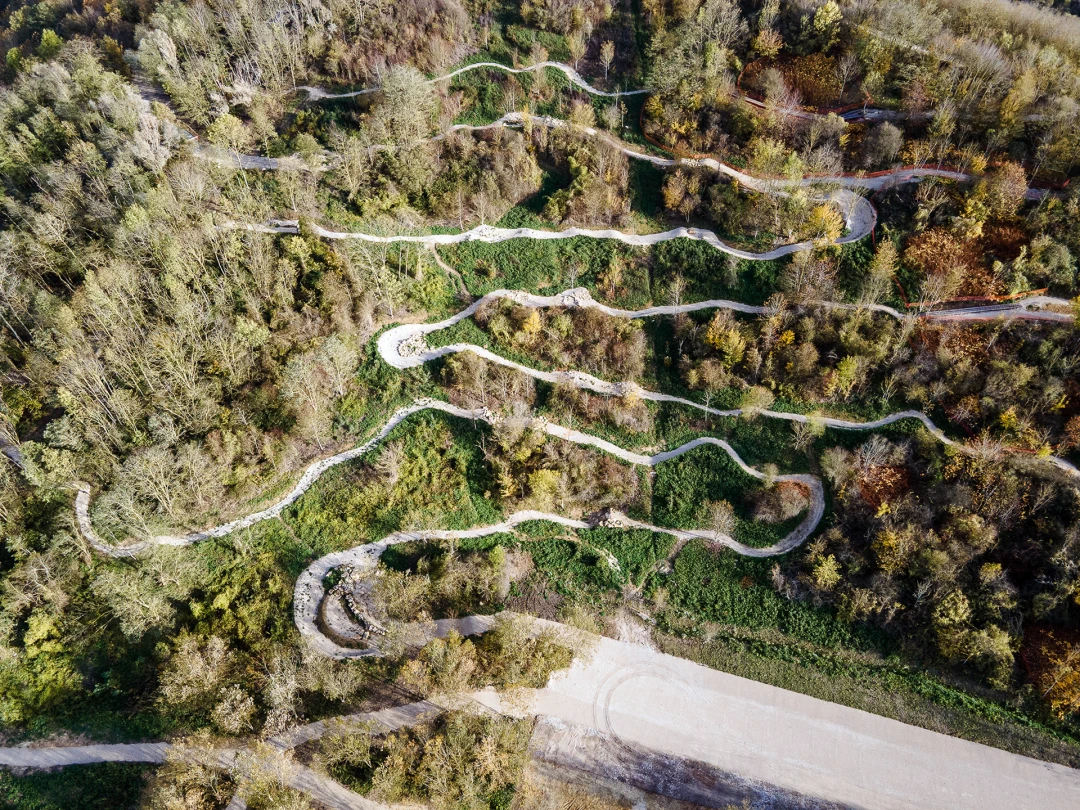
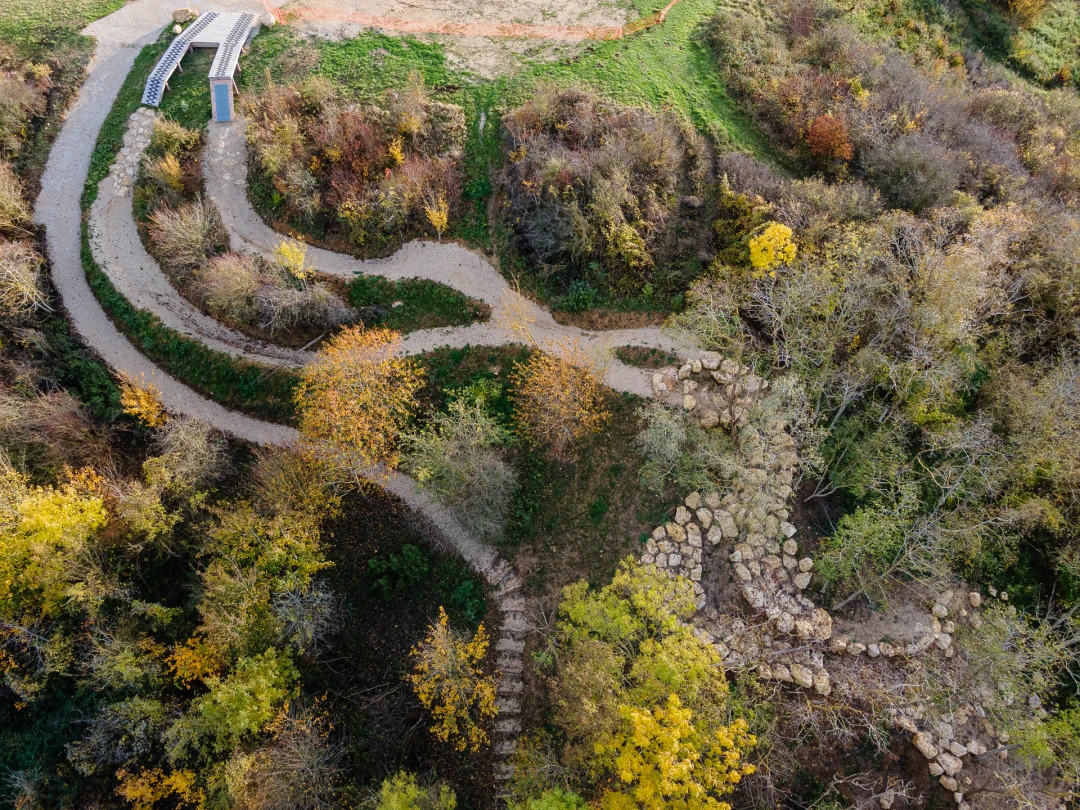
At 231 metres above sea level, the hill of Élancourt is the highest point in the Île-de-France region, offering an ideal panoramic view of the capital. It was a sandstone quarry in the 19th century, then an artificial hill made of rubble from the development of the new town of Saint-Quentin-en-Yvelines.
After being depolluted, the hill has been developed with the creation of a 4km olympic mountain bike track. Various routes have been elaborated to ensure that the hill remains a meeting point for sports enthusiasts and a diverse public alike.
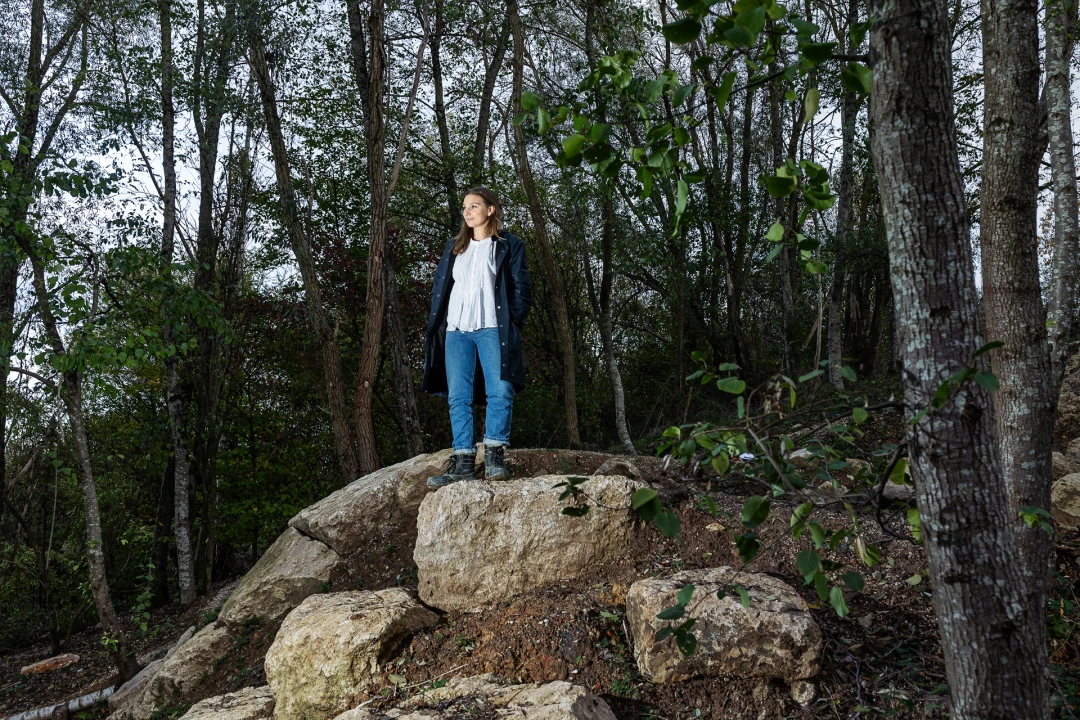
This traveller became a landscape architect at SOLIDEO after treading the soil of every continent and marvelling at the beauty of the landscapes she discovered. She followed the project for the Élancourt hill to ensure that it fitted in with the administrative and financial constraints.
Her job consists in transforming an area in such a way as to reveal its assets, in the knowledge that the human timescale is not universal. It’s essential to give nature time to take its place.
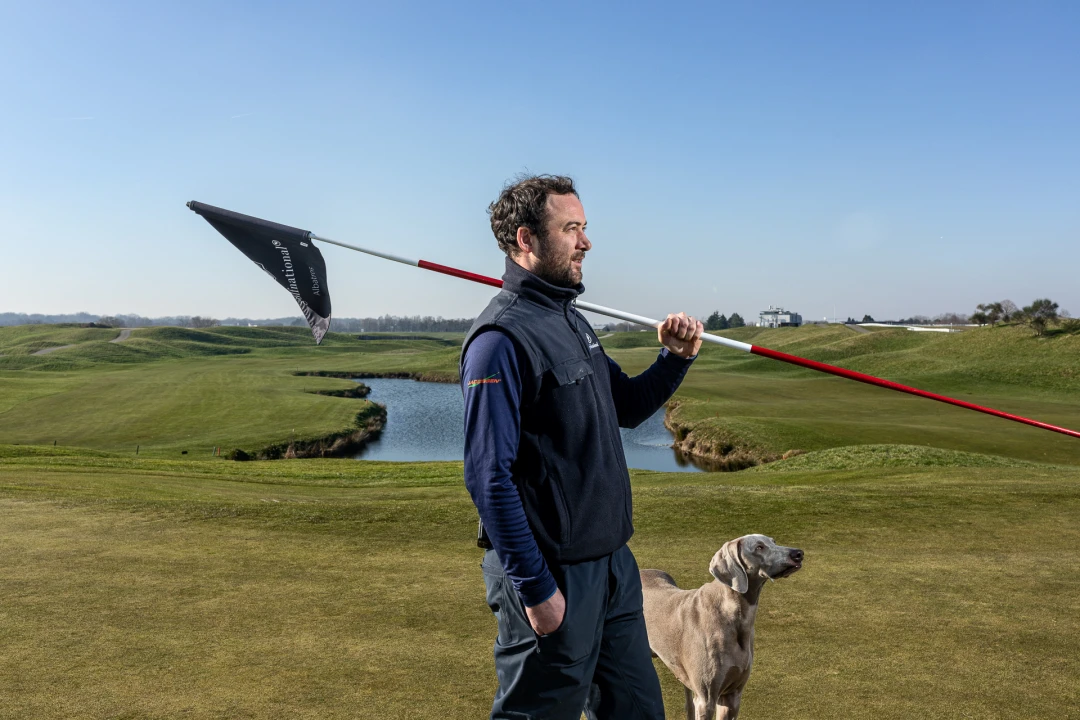
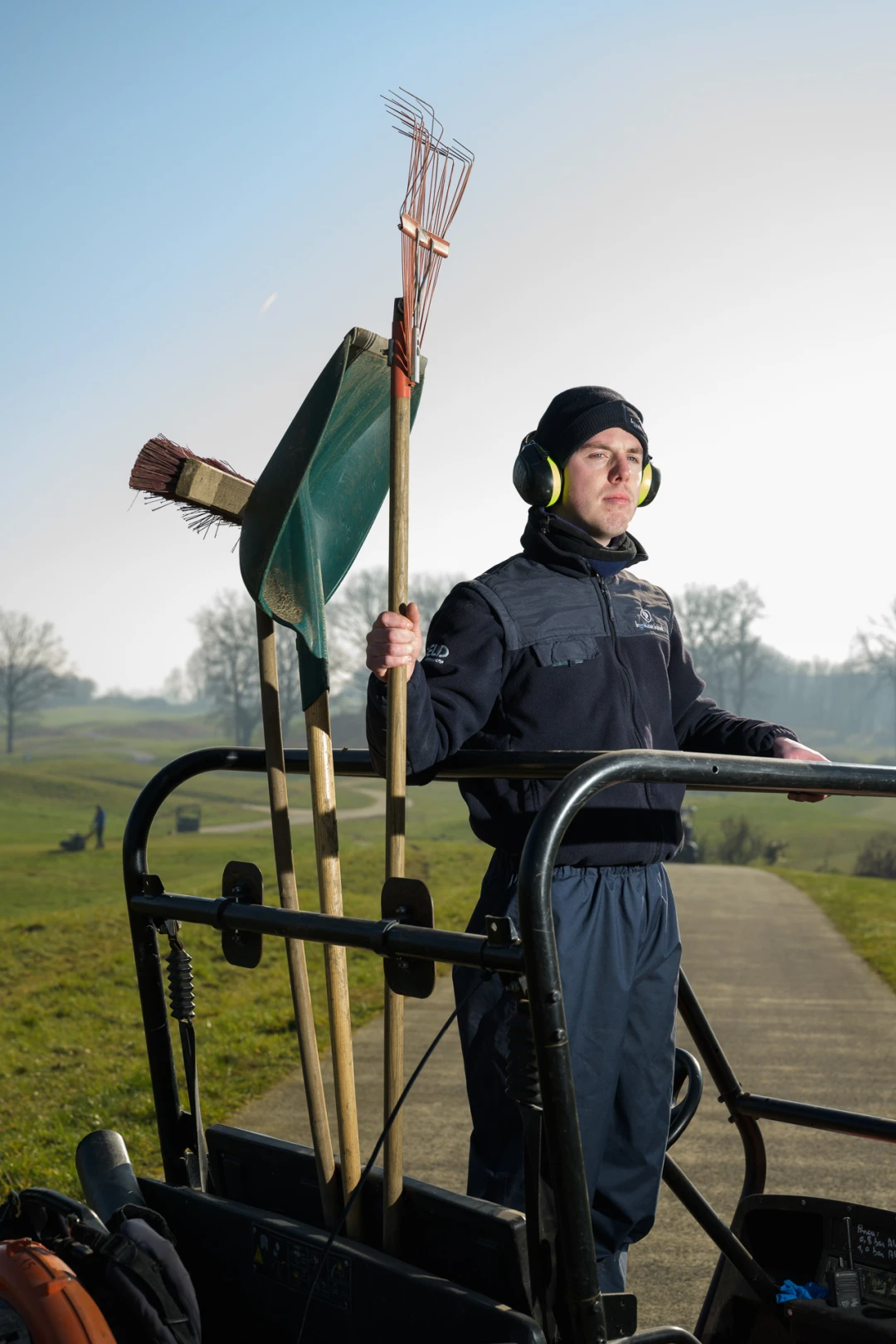
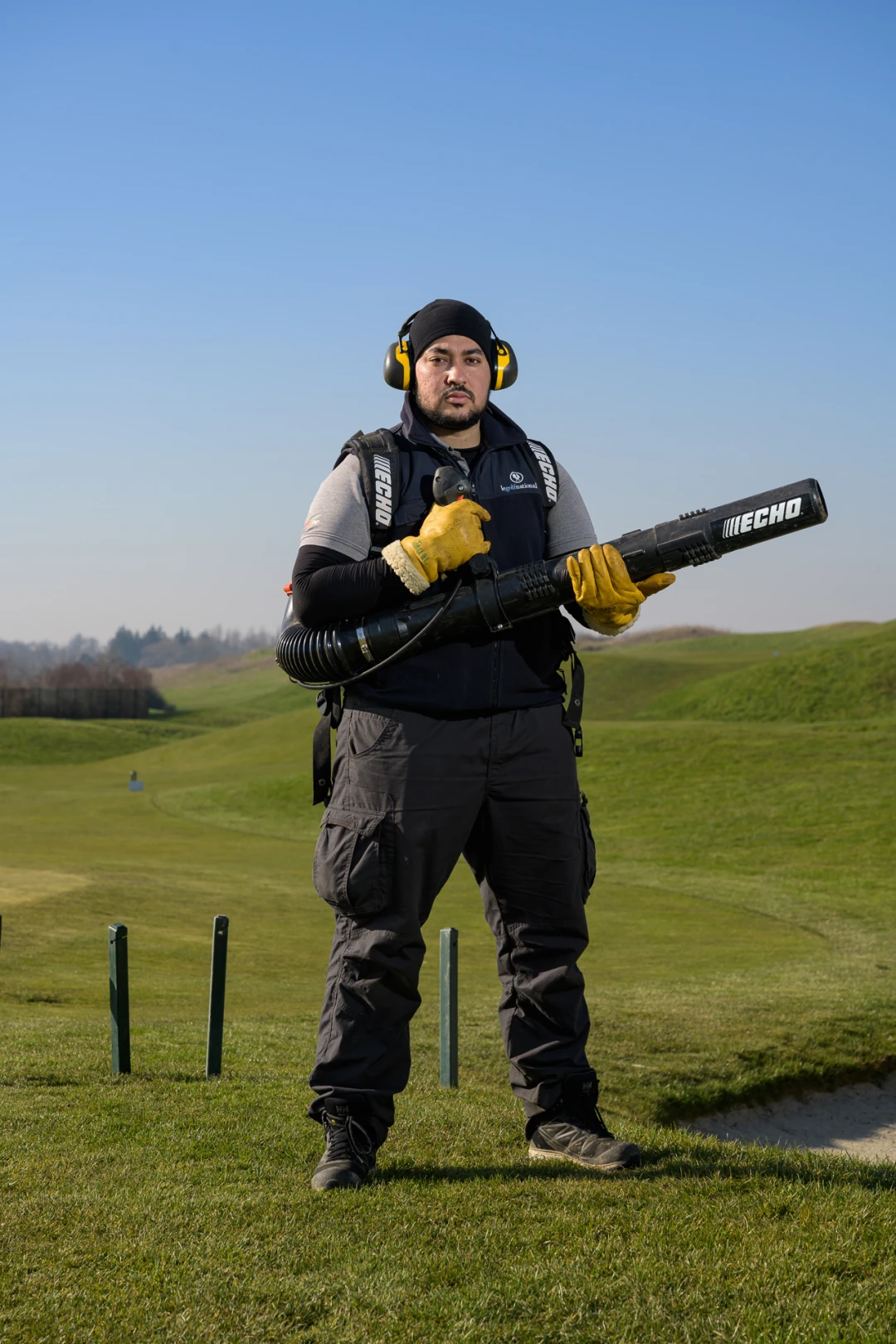
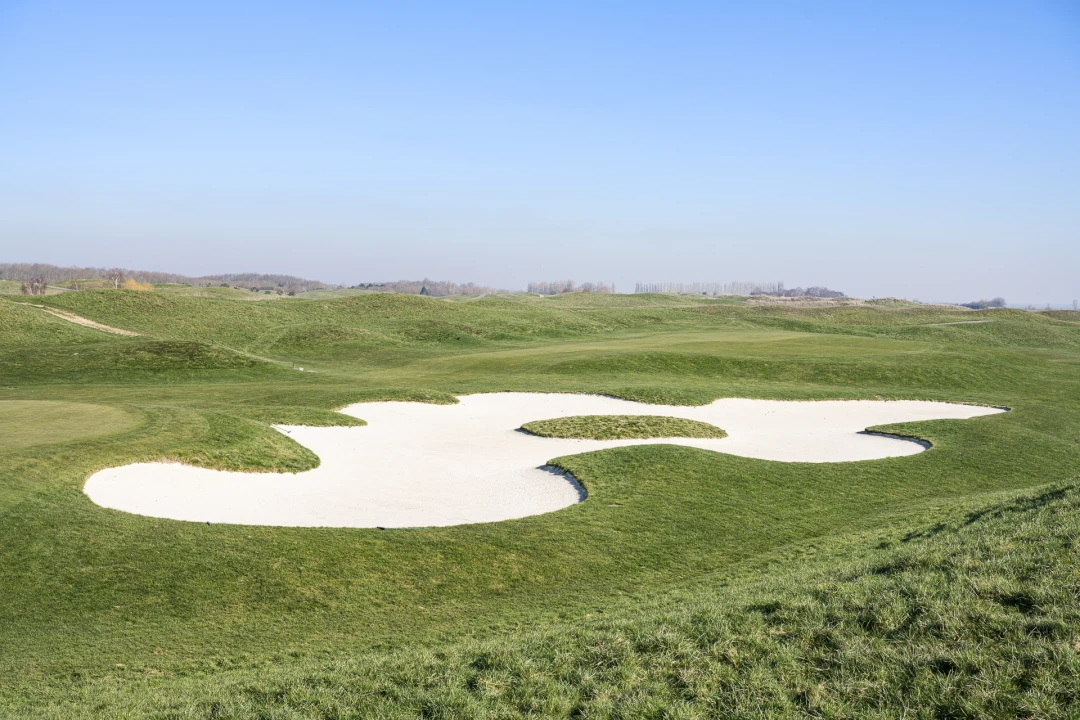
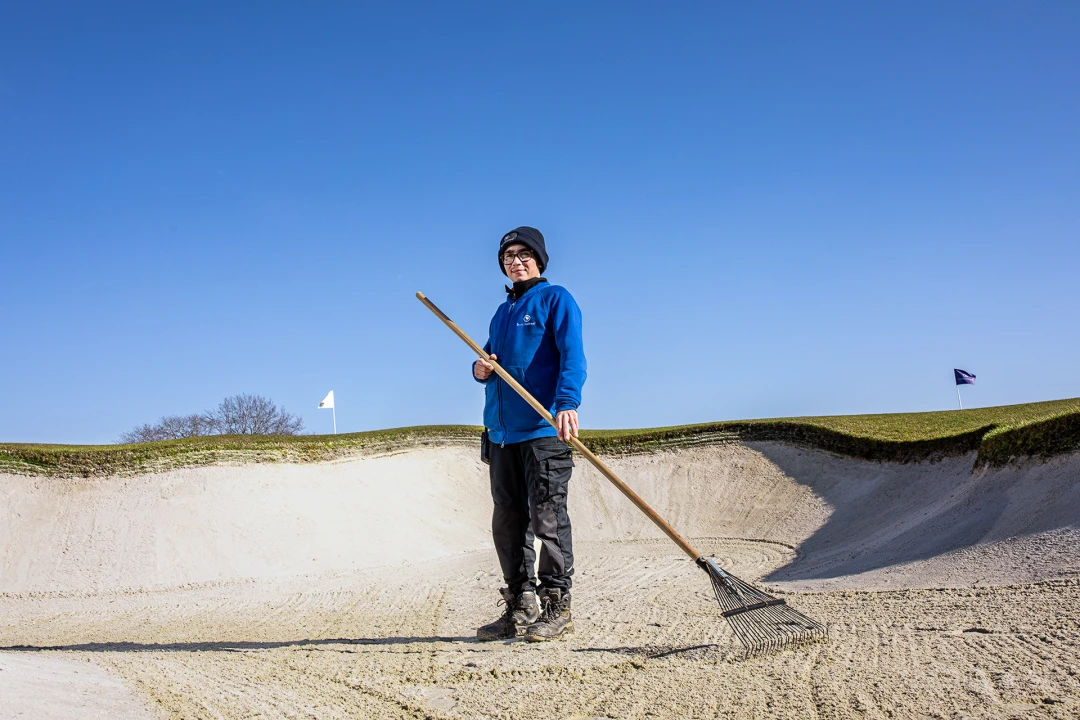
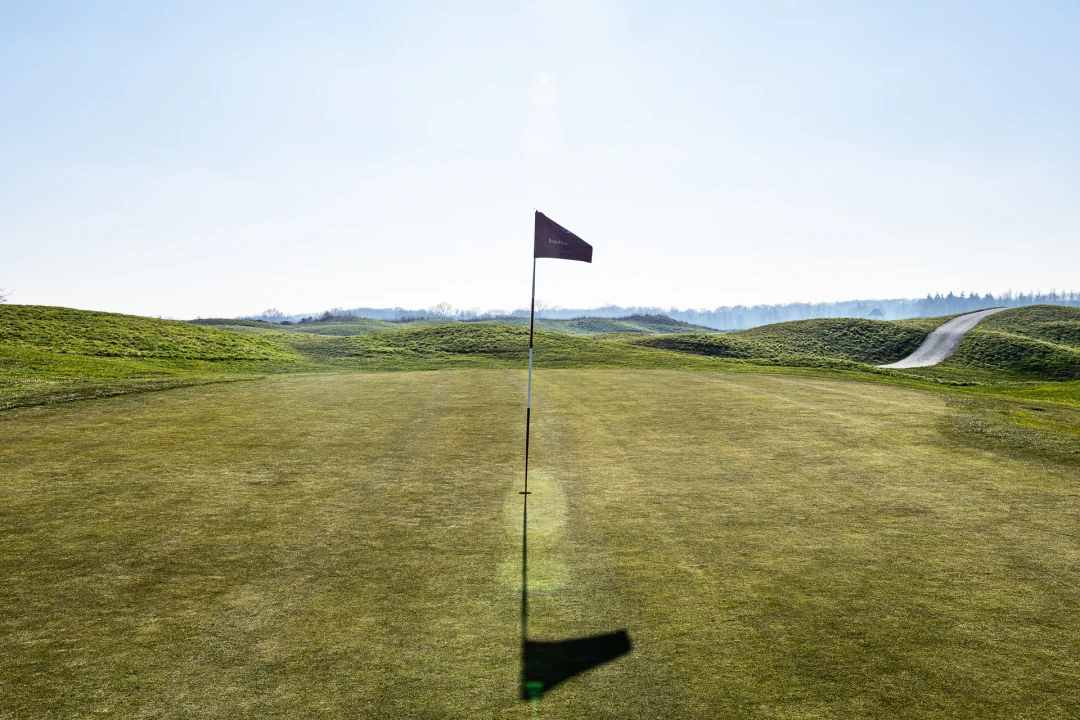
After three years of construction work, the Golf National was inaugurated in 1990 on 139 hectares of former farmland. As the flagship golf course of the French Golf Federation, its course, the Albatros, hosts the French Open every year and was host to the Ryder Cup in 2018. During the Games, the course will host an international women’s golf competition for the first time. Open to all, it is also home to the French Golf Federation’s Performance Centre.
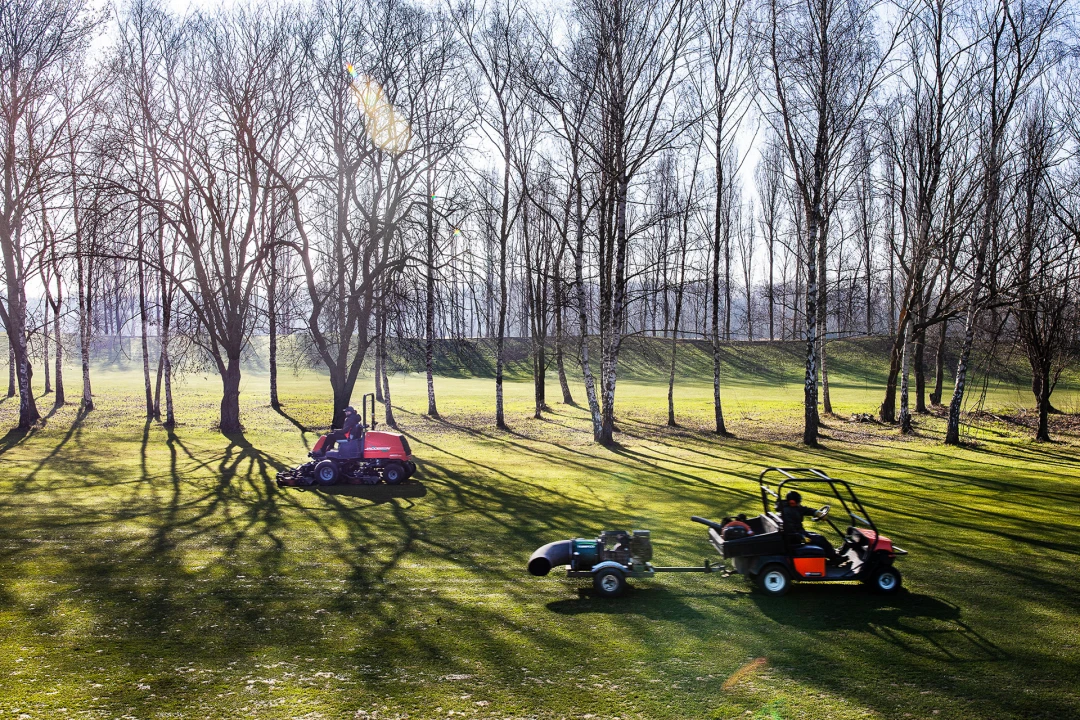
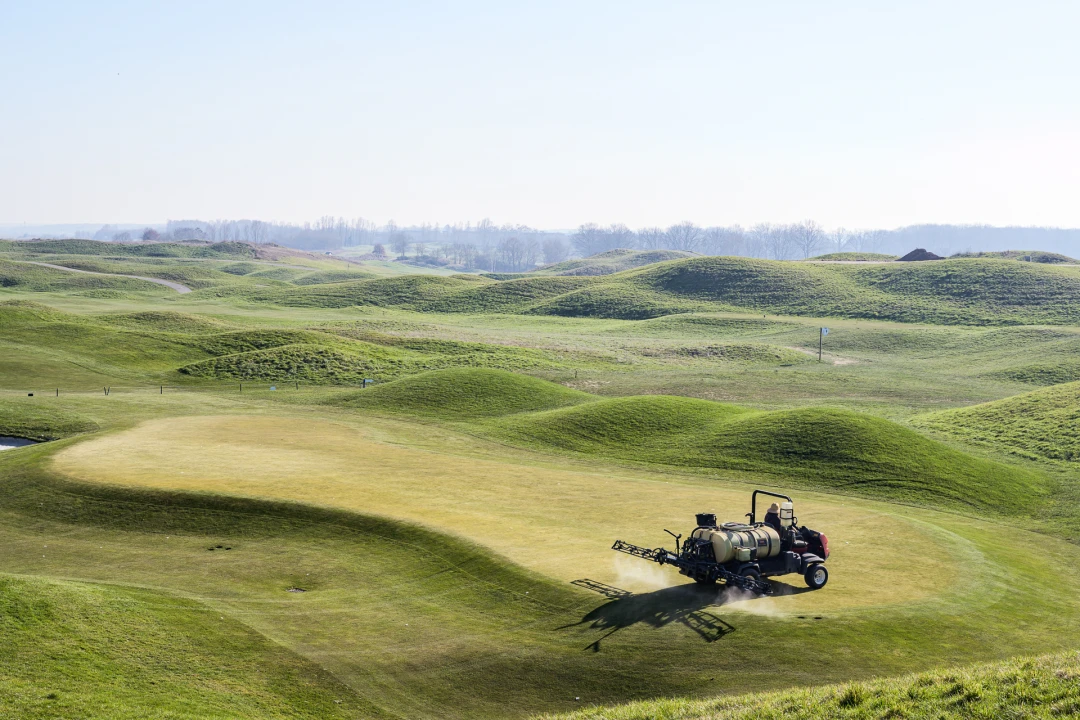
He is responsible for the upkeep of the 139 hectares of land. In his job, nature dictates the pace. Administrative tasks in winter and outdoor work in summer. Which he loves. You have to adapt all the time. It’s no coincidence that people used to get into this profession through farming.
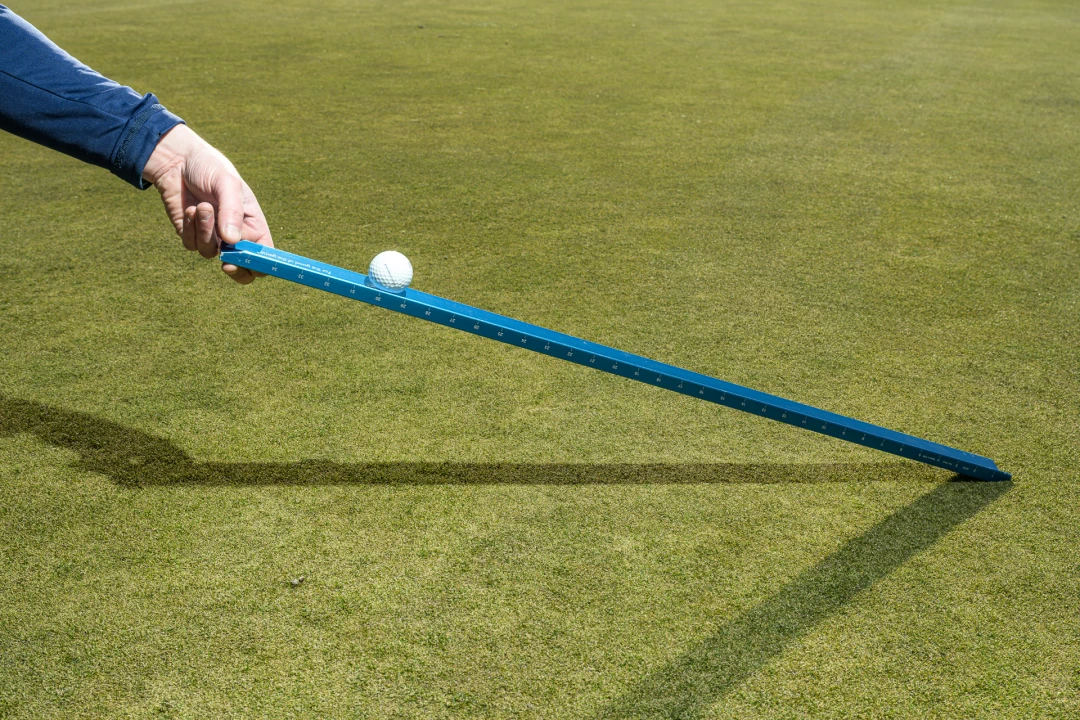
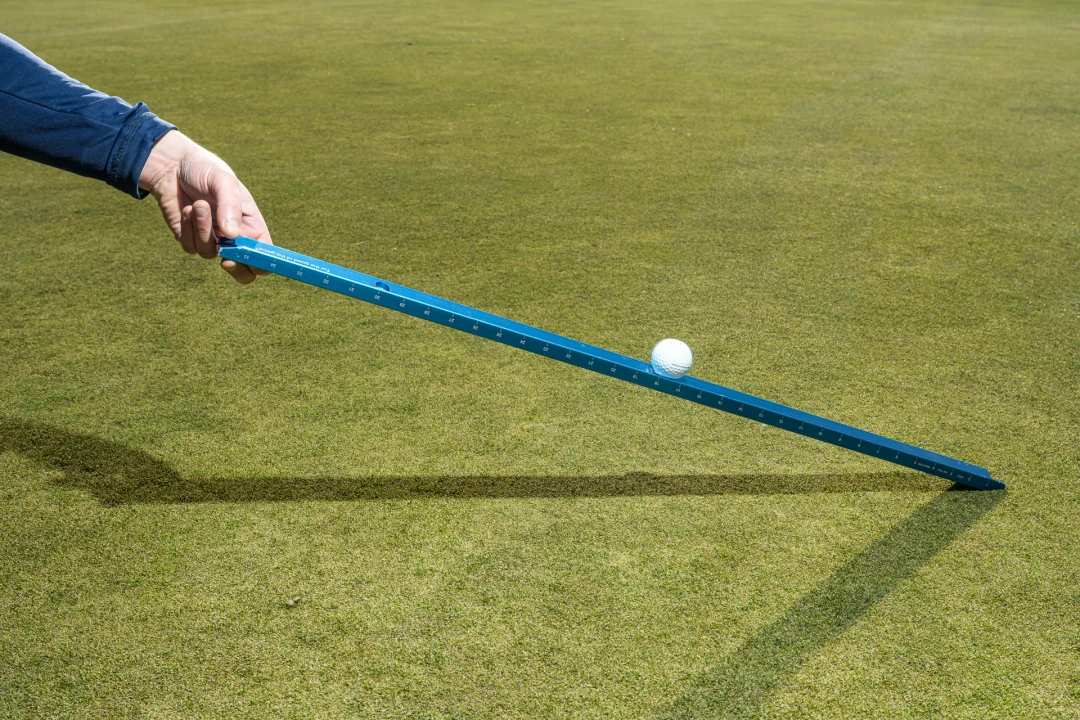
For the Games, some maintenance work started well in advance. The golf course, for example, is irrigated by hand, by hose, but also by 2,000 automatic sprinklers that had to be optimally positioned. They also had to comply with precise specifications: the greens had to be fast and the ground firm. The course also had to be capable of hosting a competition that runs non-stop for two weeks, with the men’s tournament followed by the women’s tournament.
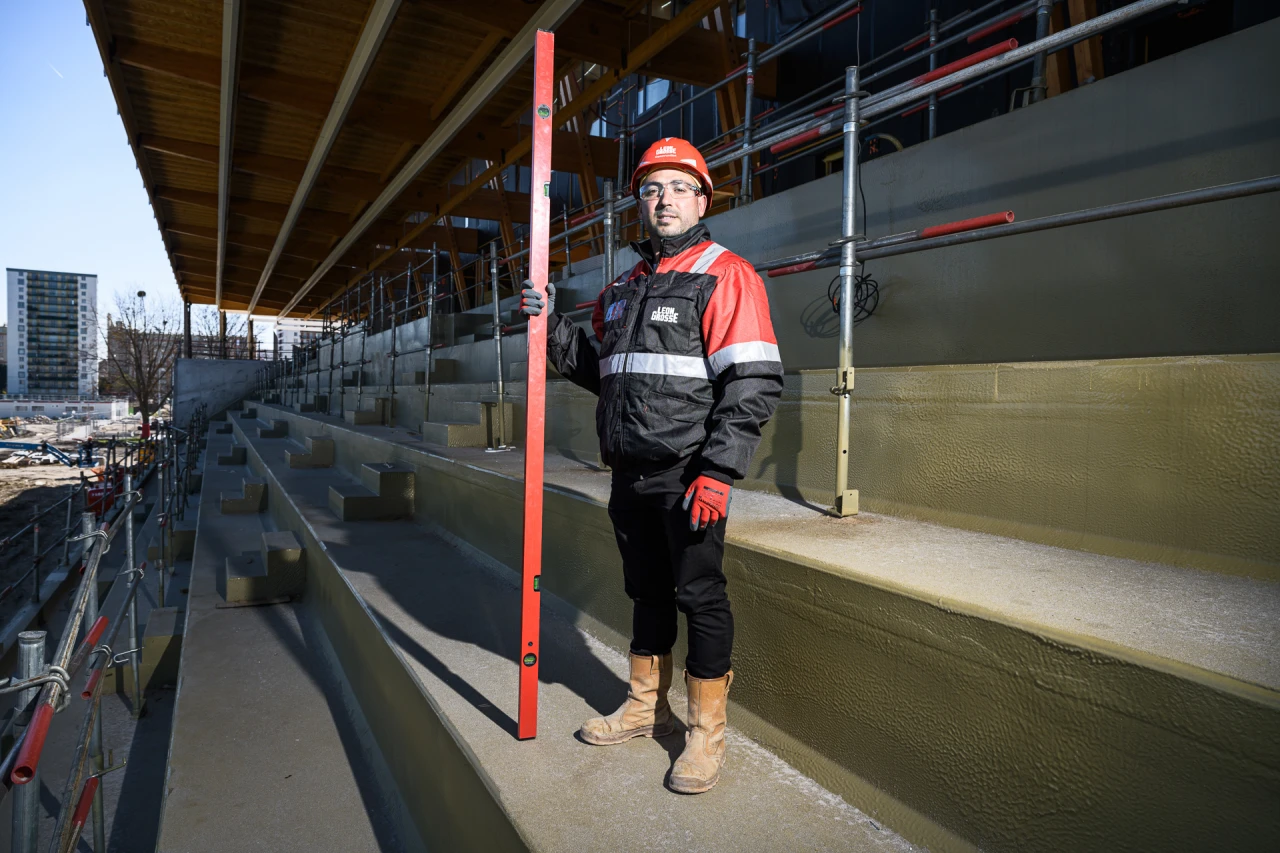
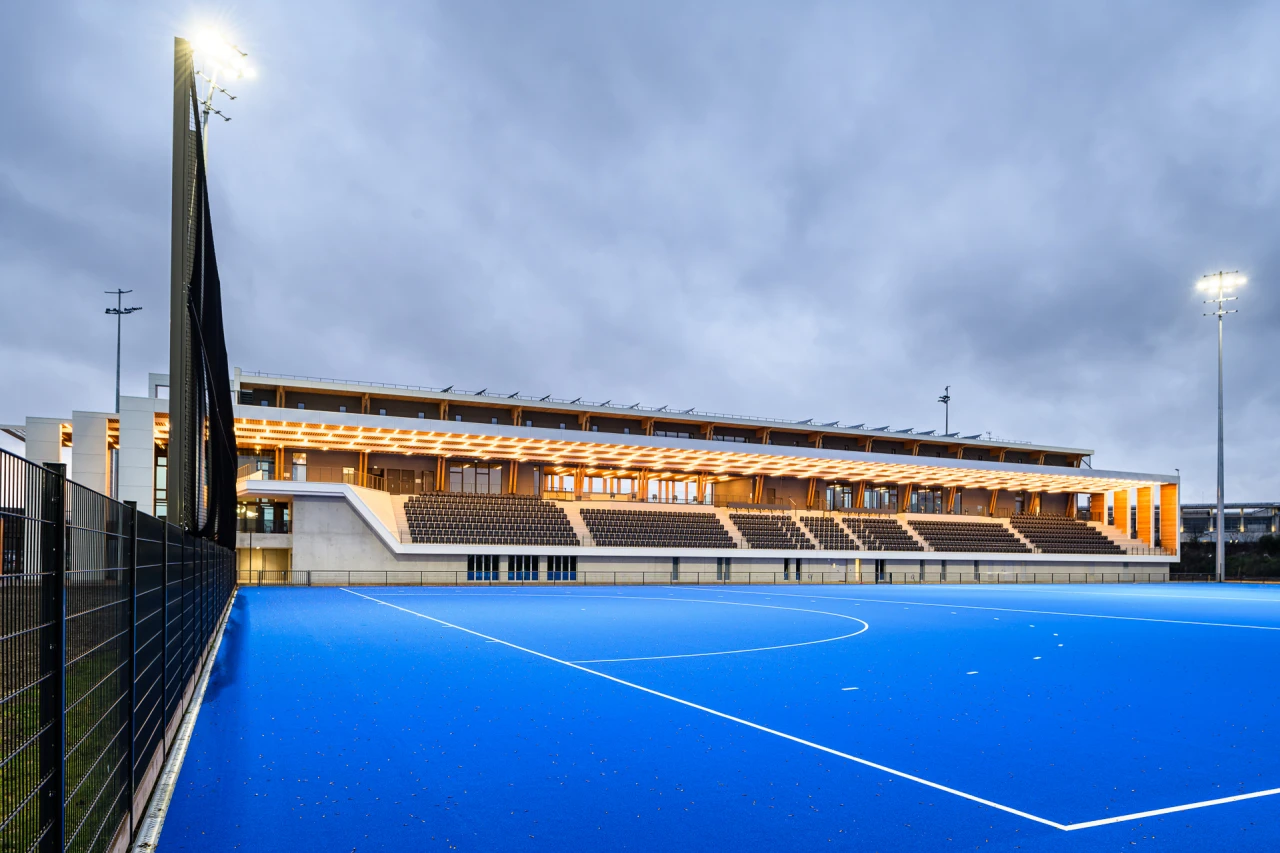
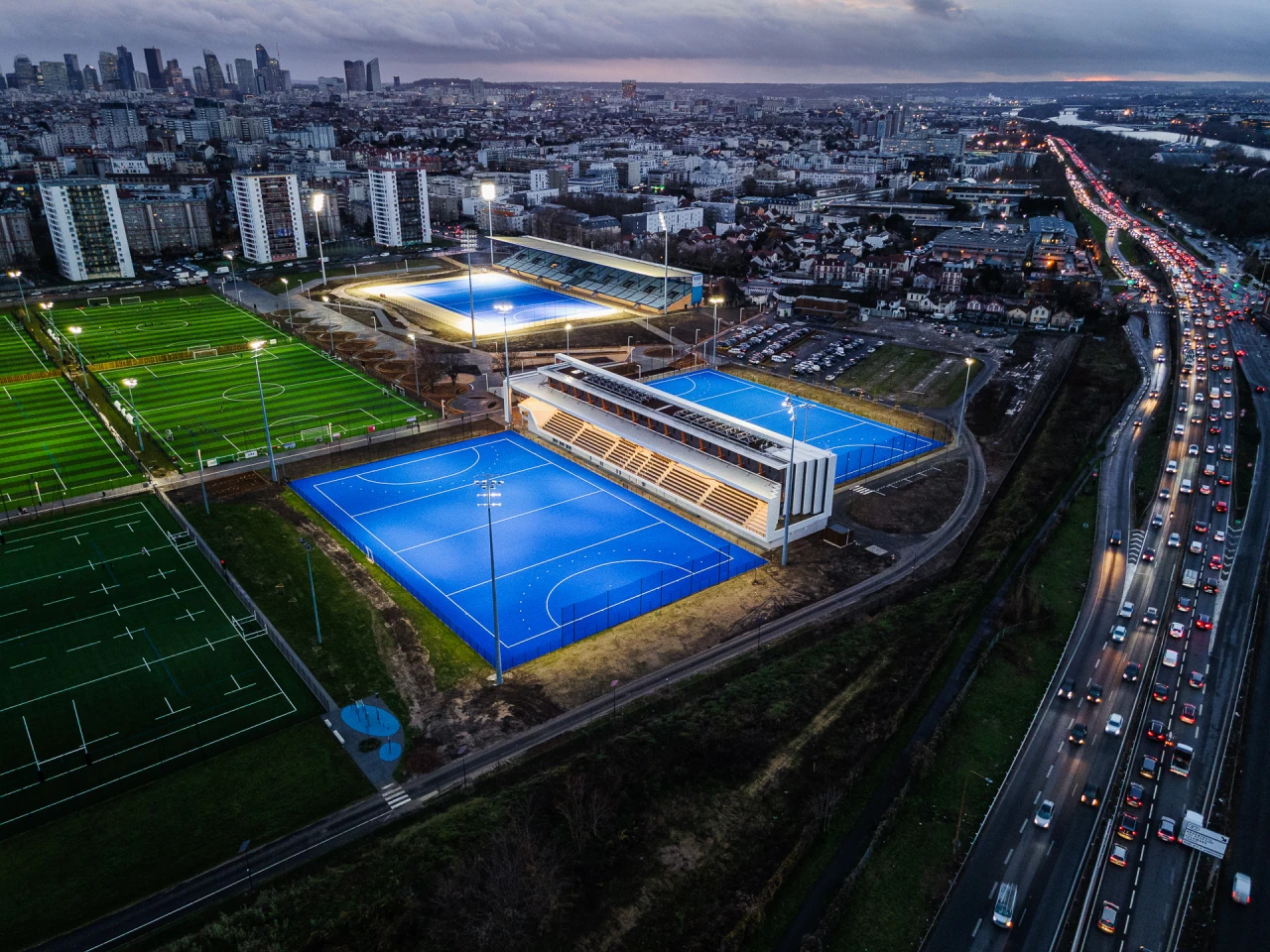
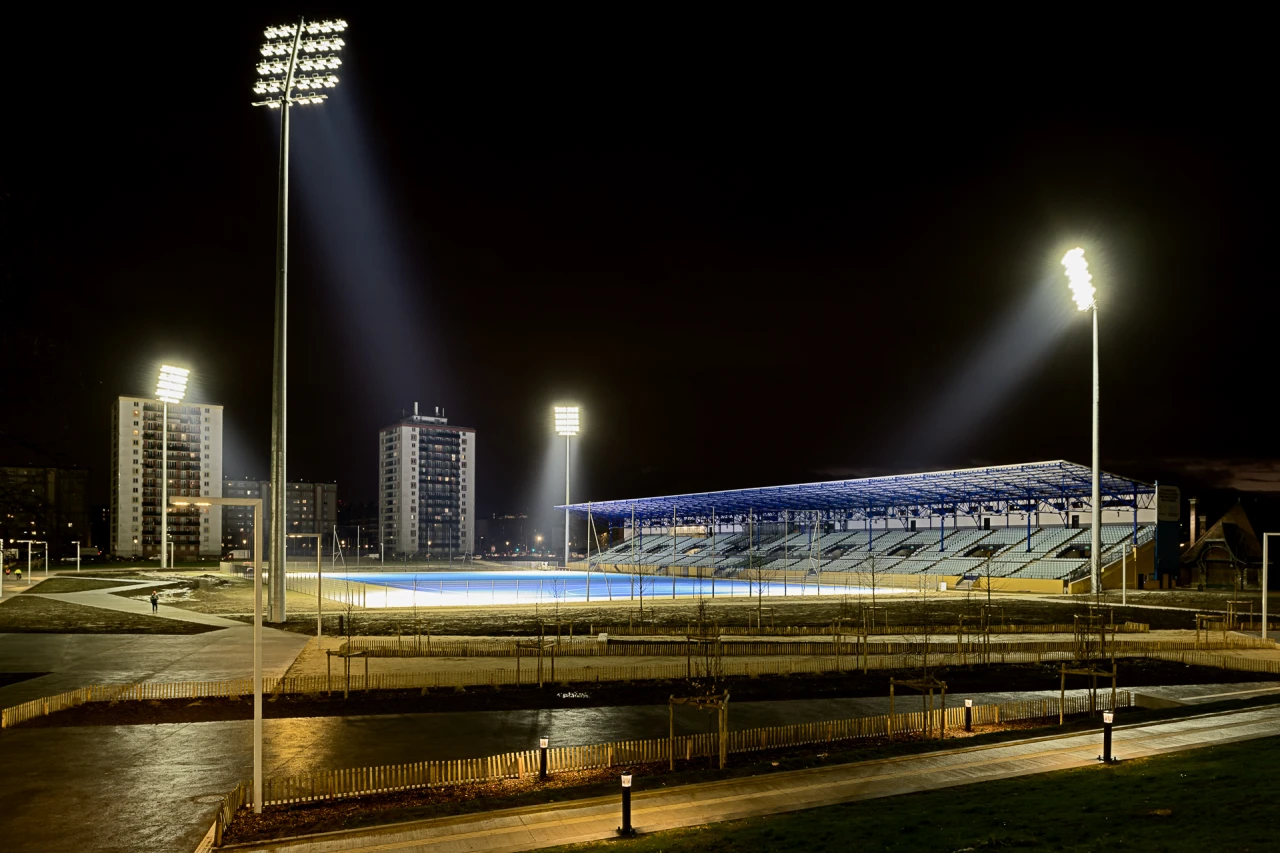
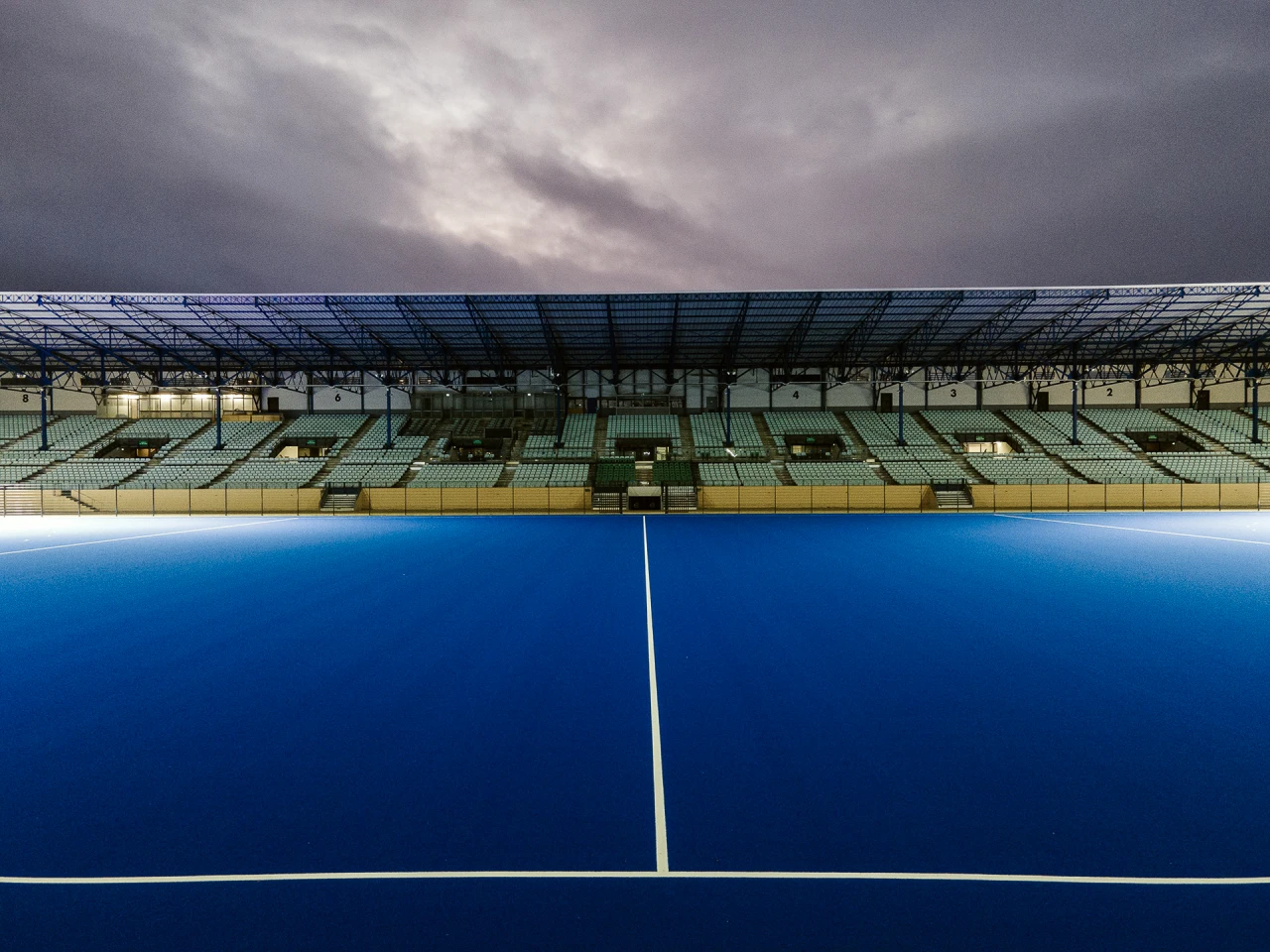
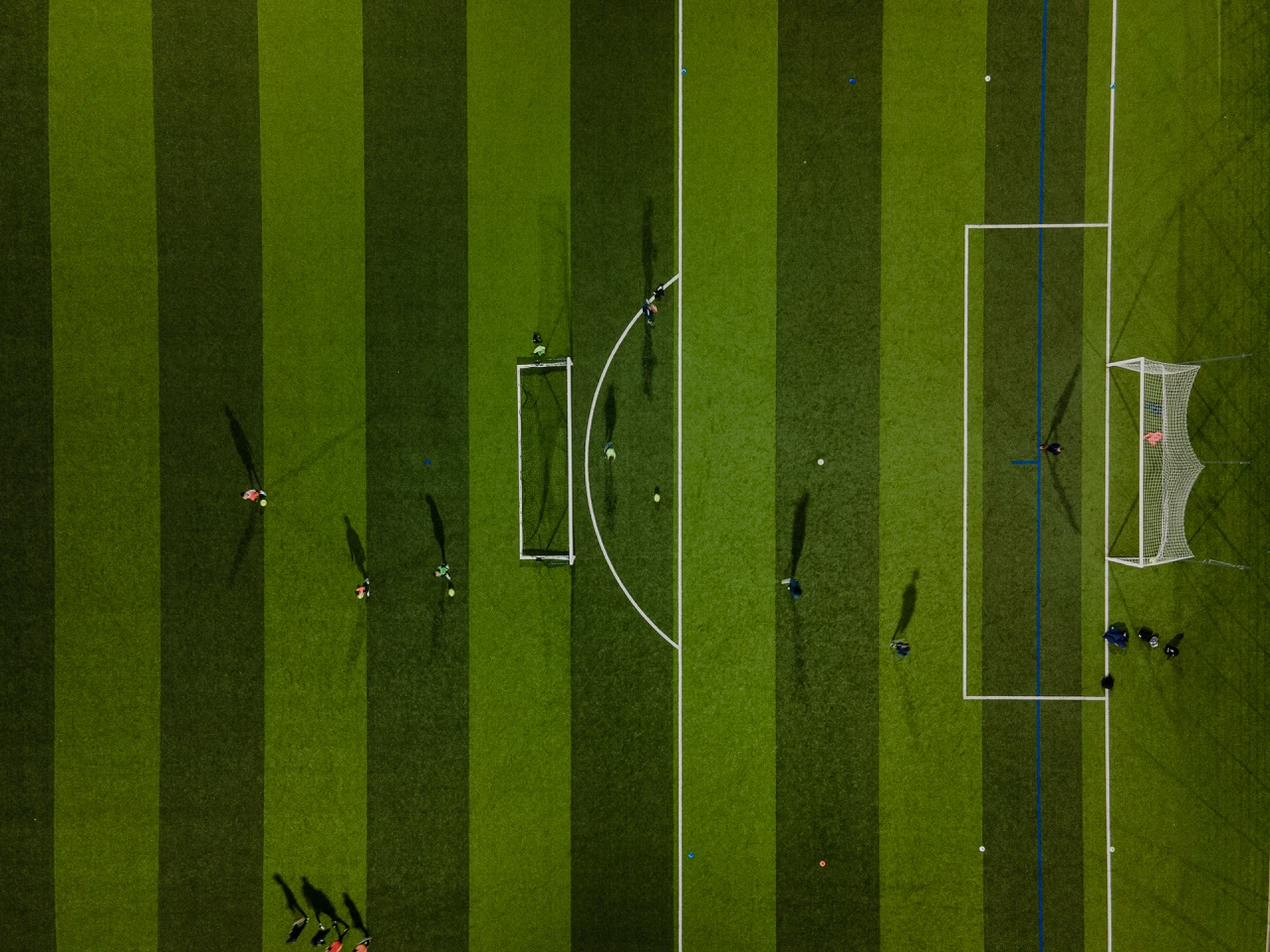
The Yves-du-Manoir stadium is hosting the Games for a second time, after having been a major venue at Paris 1924. In addition to the historic grandstand, renovated for the occasion, two field hockey pitches, a grandstand, changing rooms and offices were built using a minimum of 50% wood. 50% of the electricity is generated on site by solar panels.
Several soccer and rugby pitches are available for school groups and associations. These facilities will be invested by the French Hockey Federation.
Telmo and Fernando are both of Portuguese origin and both site managers, but their work is very different. In charge of rehabilitation at Besnard Chauvin, Telmo has to work with existing structures and is not immune to surprises. He is responsible for restructuring the entire building, repairing old parts, and completely redoing the interiors, including tiling, ceramics, ceilings, etc. He manages several specialized workers from different companies, including painters, drywall installers, and tilers. Fernando, on the other hand, specializes in major construction work at Léon Grosse. He focuses solely on managing the workers, mainly from Léon Grosse, who are responsible for creating new concrete structures. His main skill is maintaining the work pace. With the equipment provided by the project managers, he is in charge of the execution with his teams.
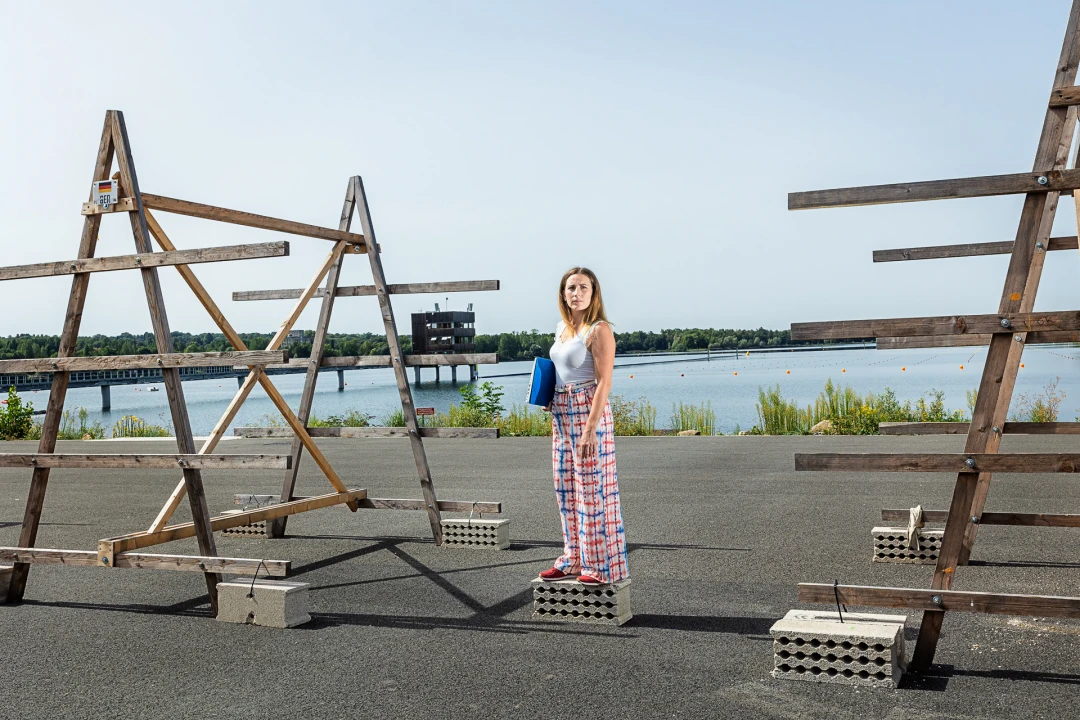
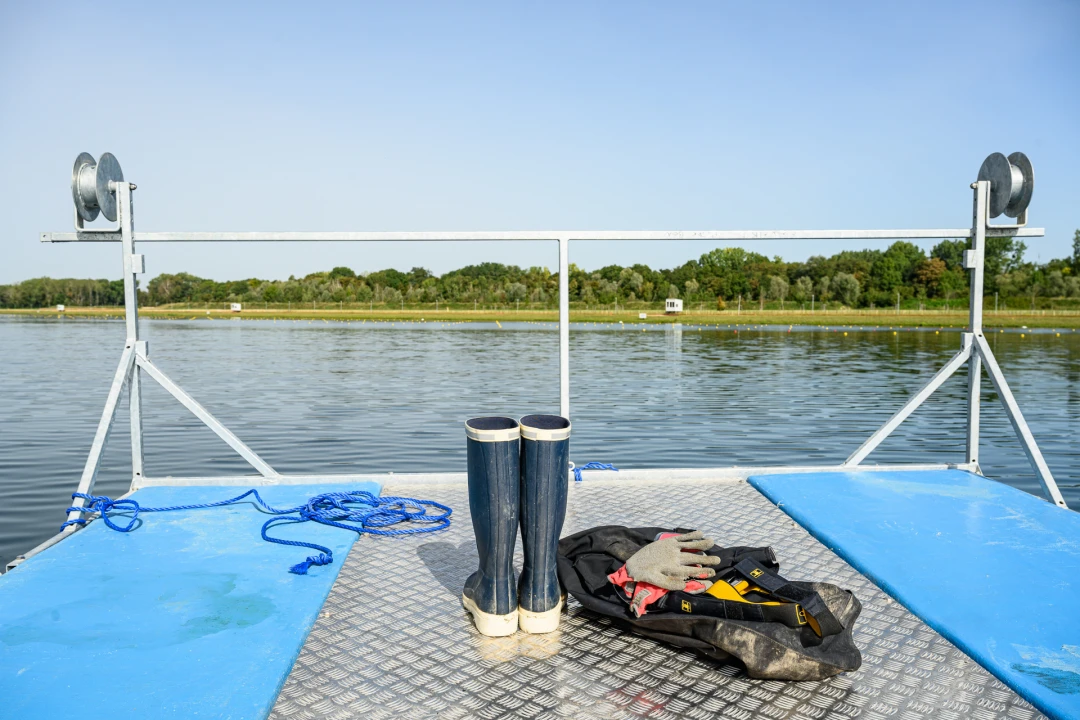
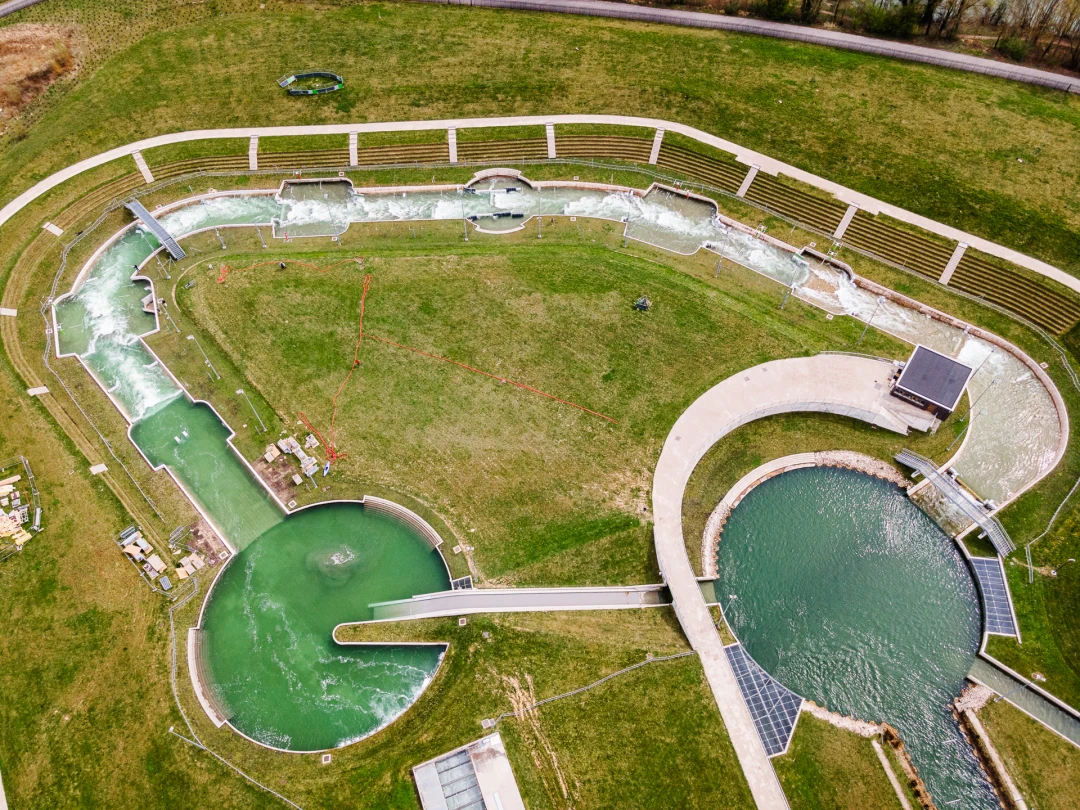
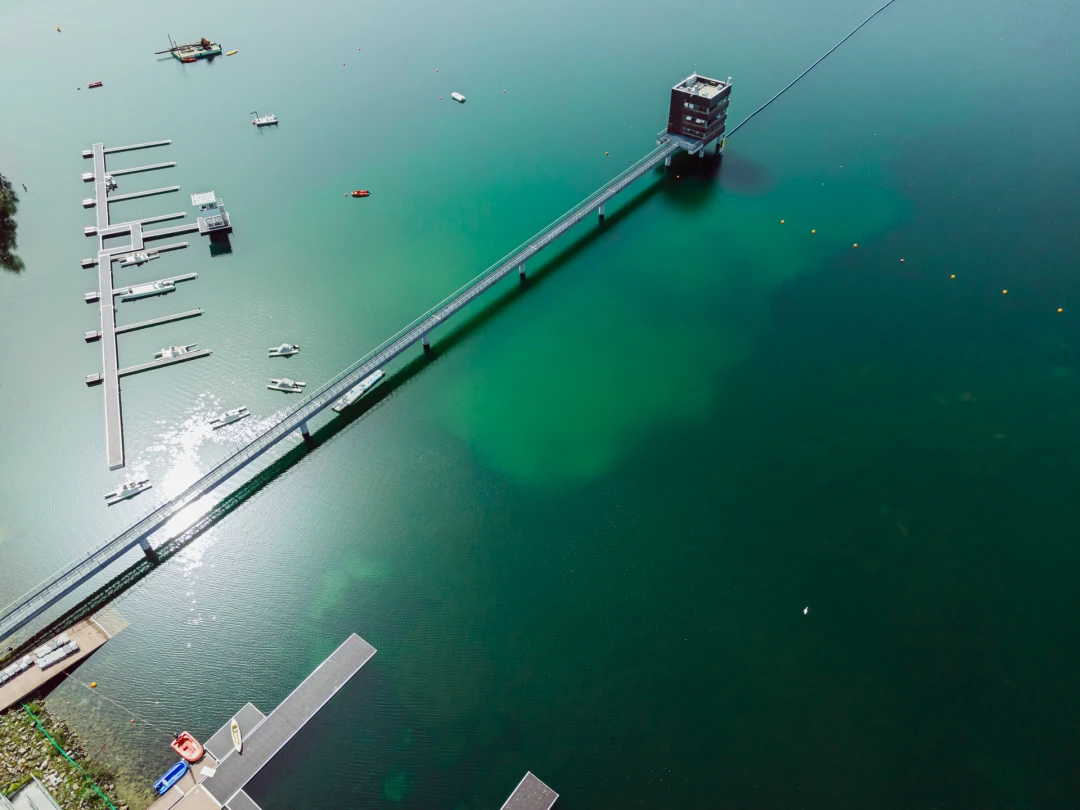
Completed and handed over in June 2019, the nautical stadium is unique in Europe. It is one of only three venues in the world to combine all three Olympic events.
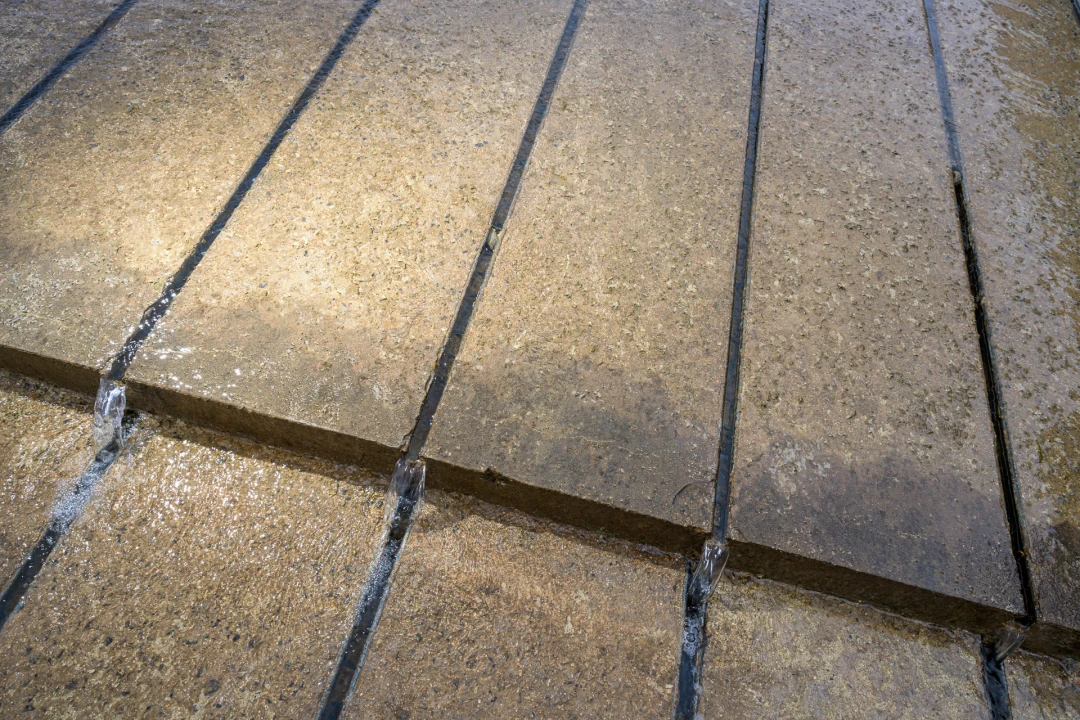
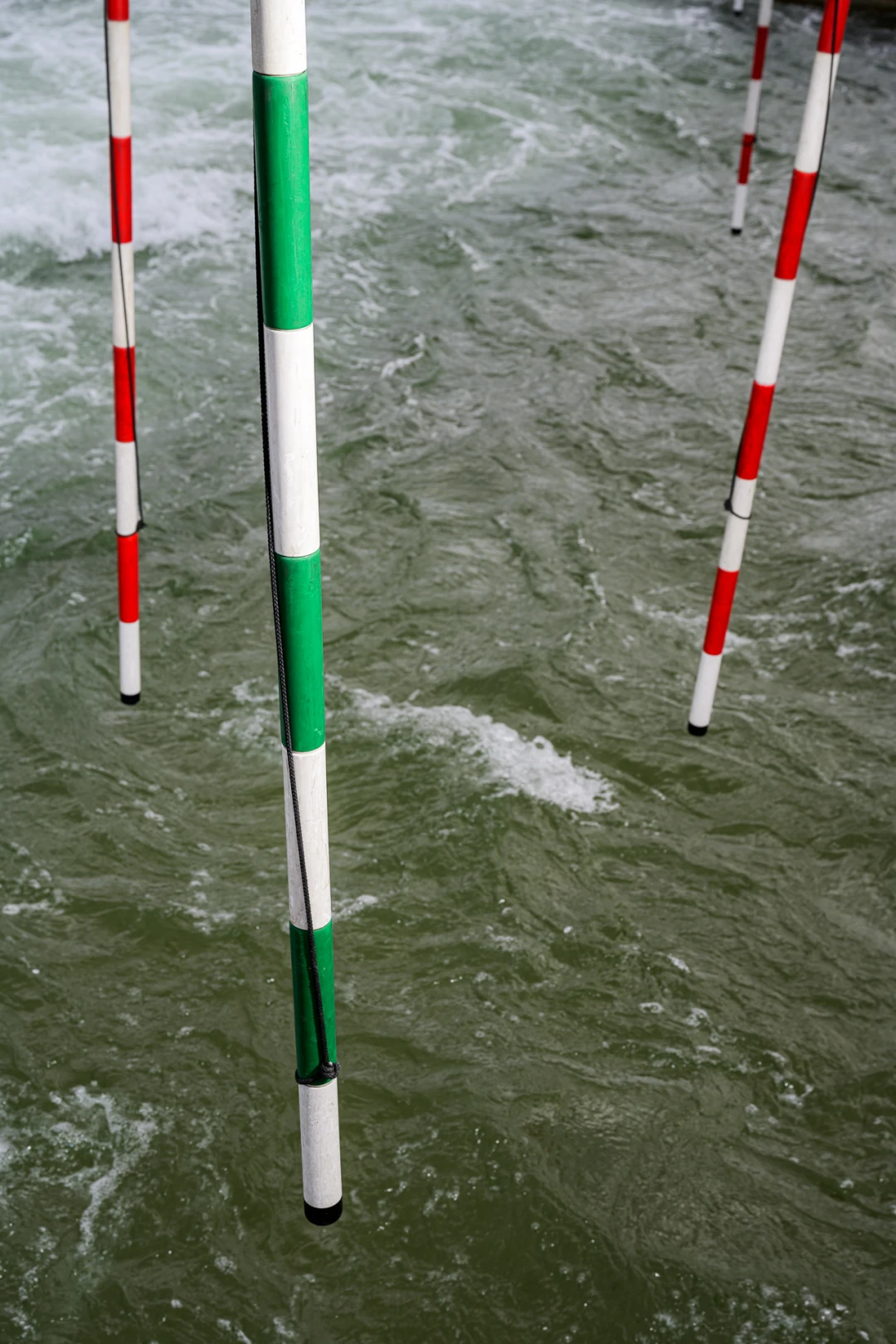
It includes a 300 m white water course, powered by 5 pumps that propel water at up to 14 m3/s. Obstacles can move on rails to create different water movements. It also has a 2.2 km long stretch of water equipped for high-level competition.
It is also open to the general public all year round, and has a 150-metre landscaped river for kayaking and rafting lessons. It is the headquarters of the French Canoe Federation.
Anna has been working at the nautical stadium since the accommodation department opened. Thanks to her many years of experience, she is able to coordinate the various services, including reservations, cleaning, catering, maintenance and support, and knows how to deal with unforeseen circumstances. She’s delighted to be doing such an exciting job, and even more so to be working at the heart of the action during the Games.
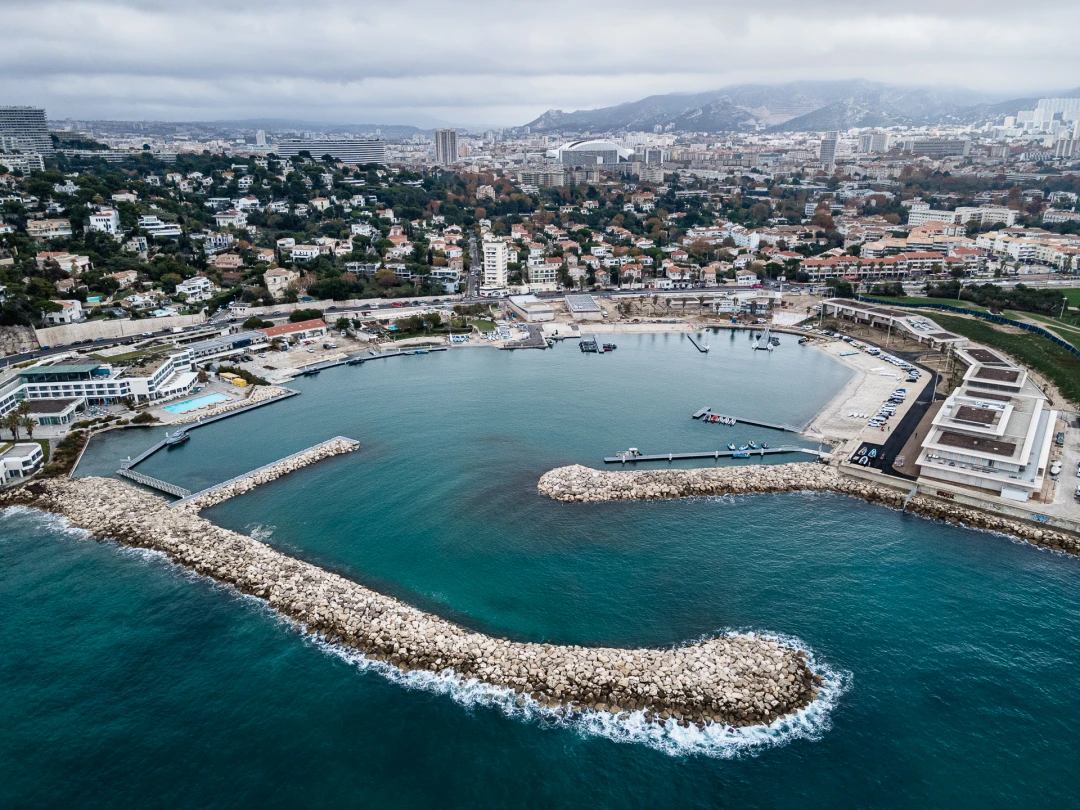
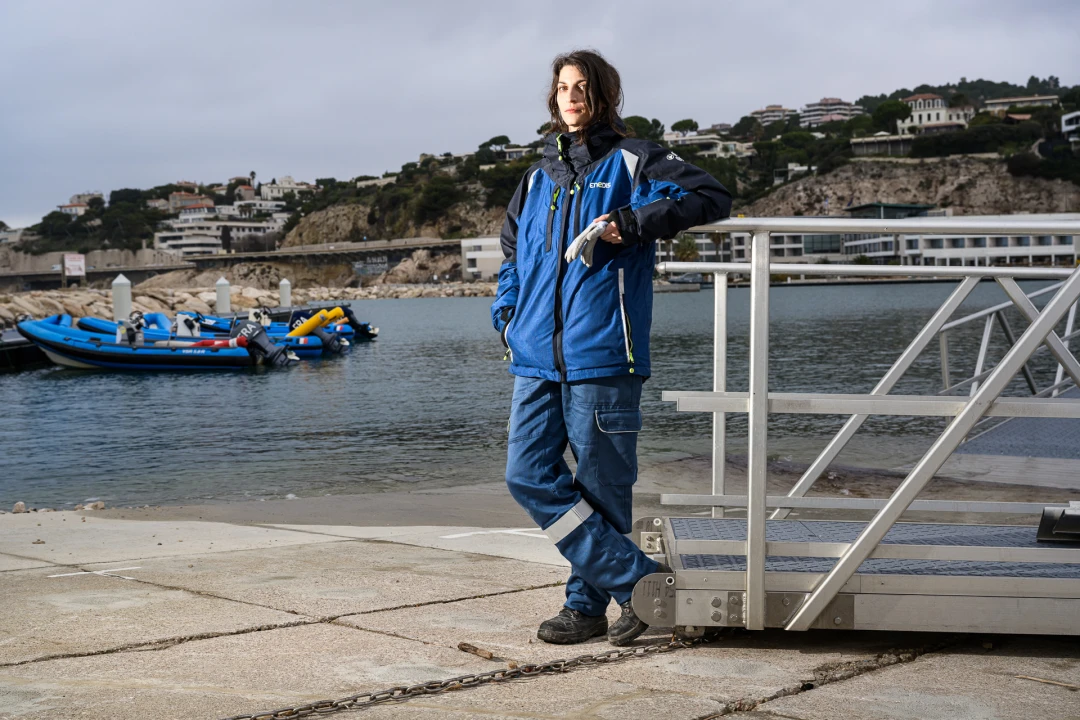
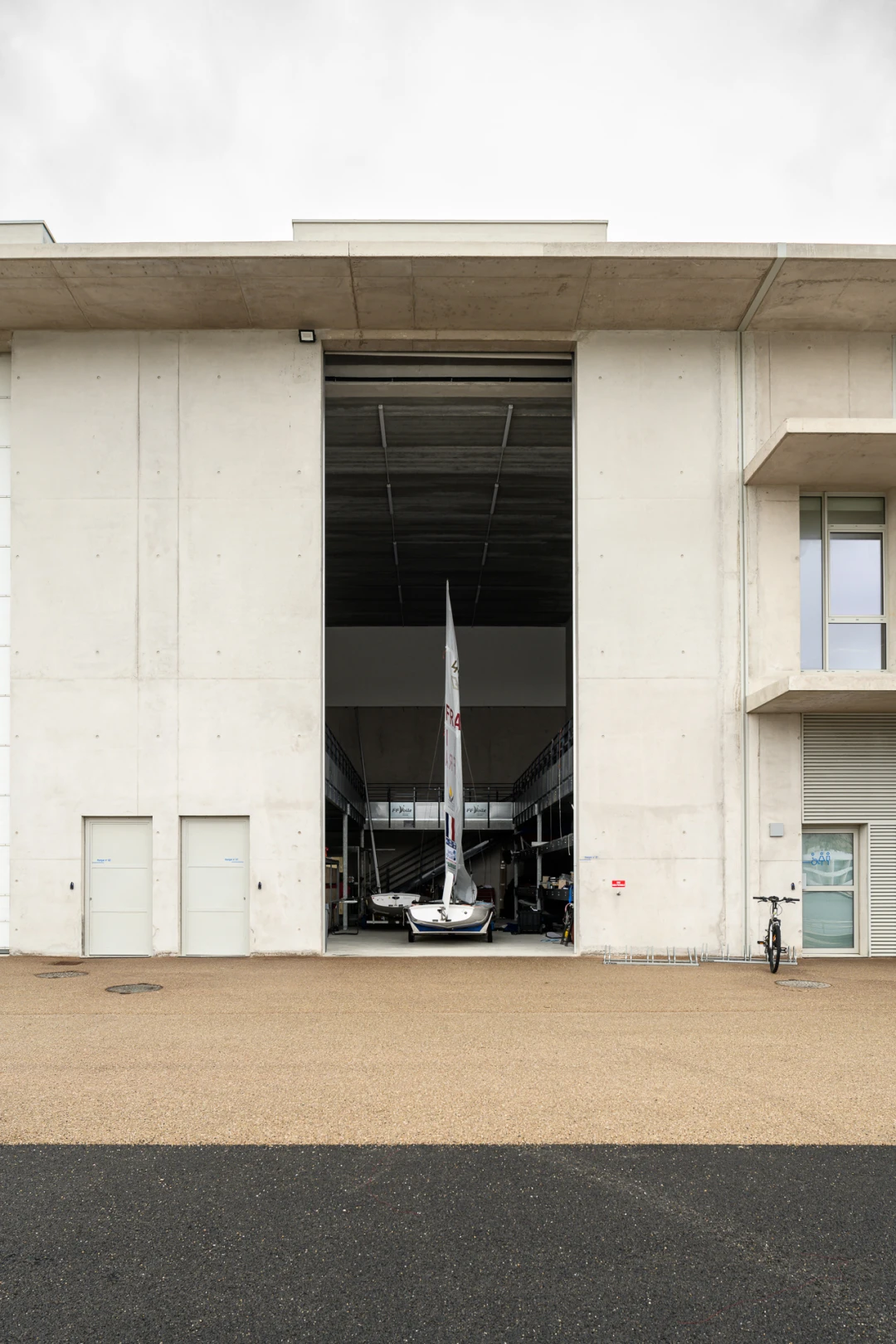
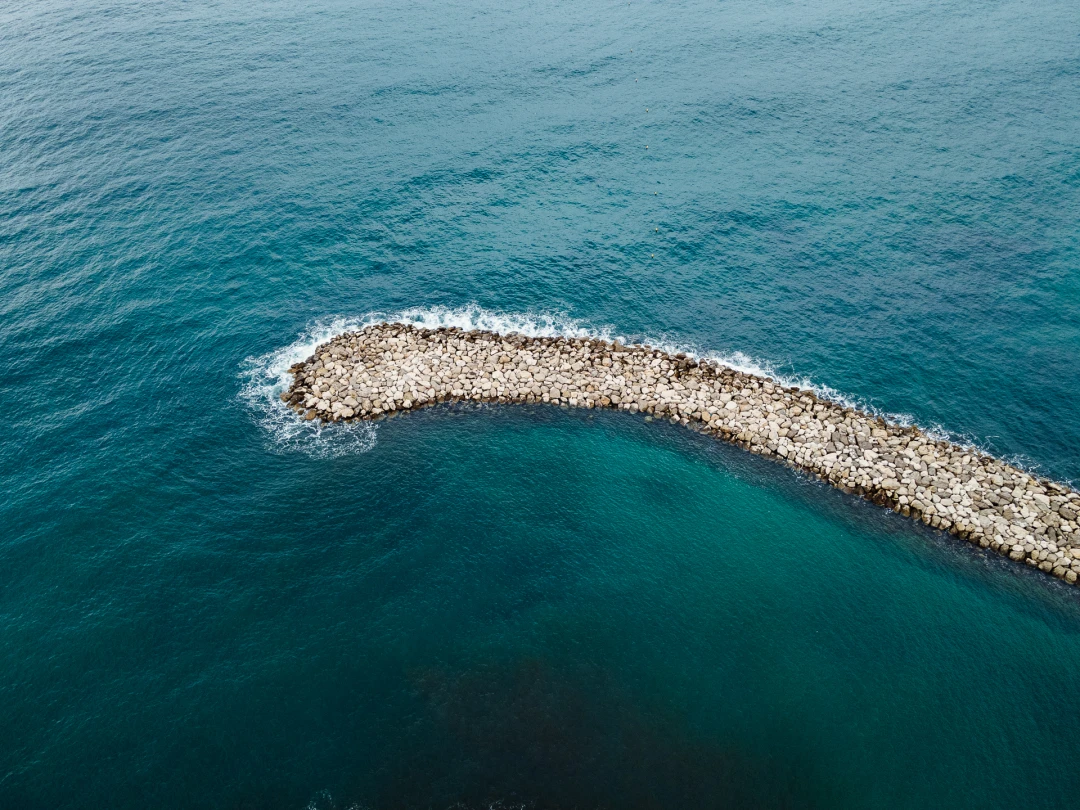
The Roucas-Blanc nautical base, built at the end of the 1970s at the northern end of the Prado beaches, has already hosted several major international competitions. It has now been completely refurbished to serve as the starting point for the boats competing in the Games. Home to the France Sailing Federation, the Sailing Pôle France and the future Municipal Sailing Centre, the site will be a top-level training centre as well as a place for young people to discover and learn about the sea.
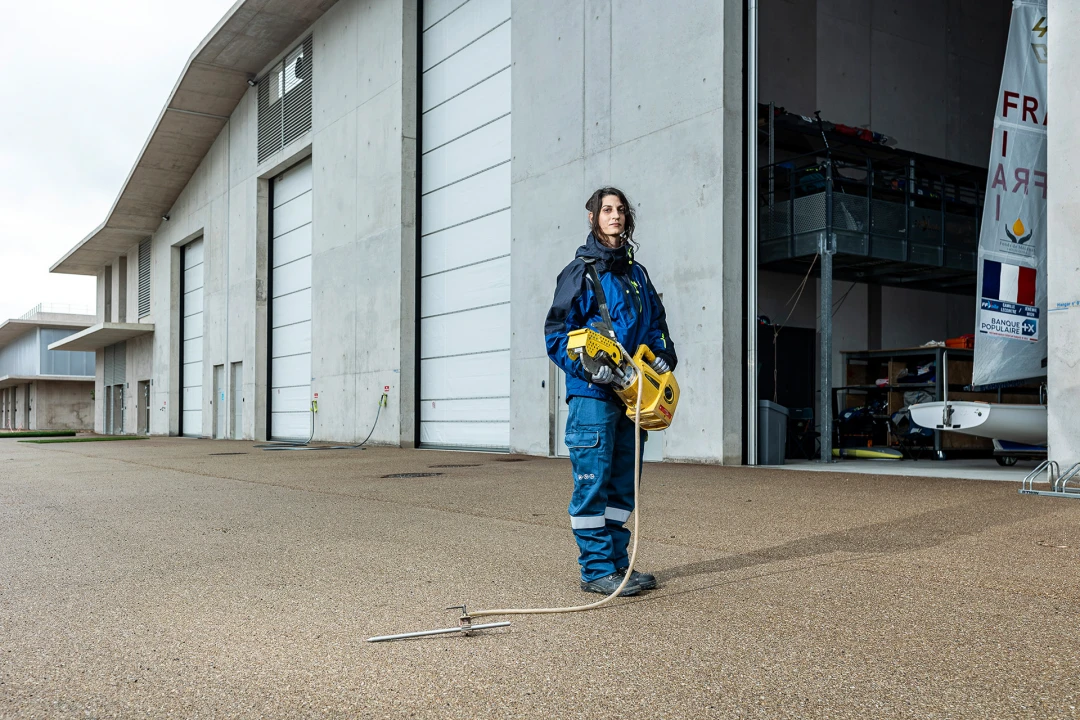
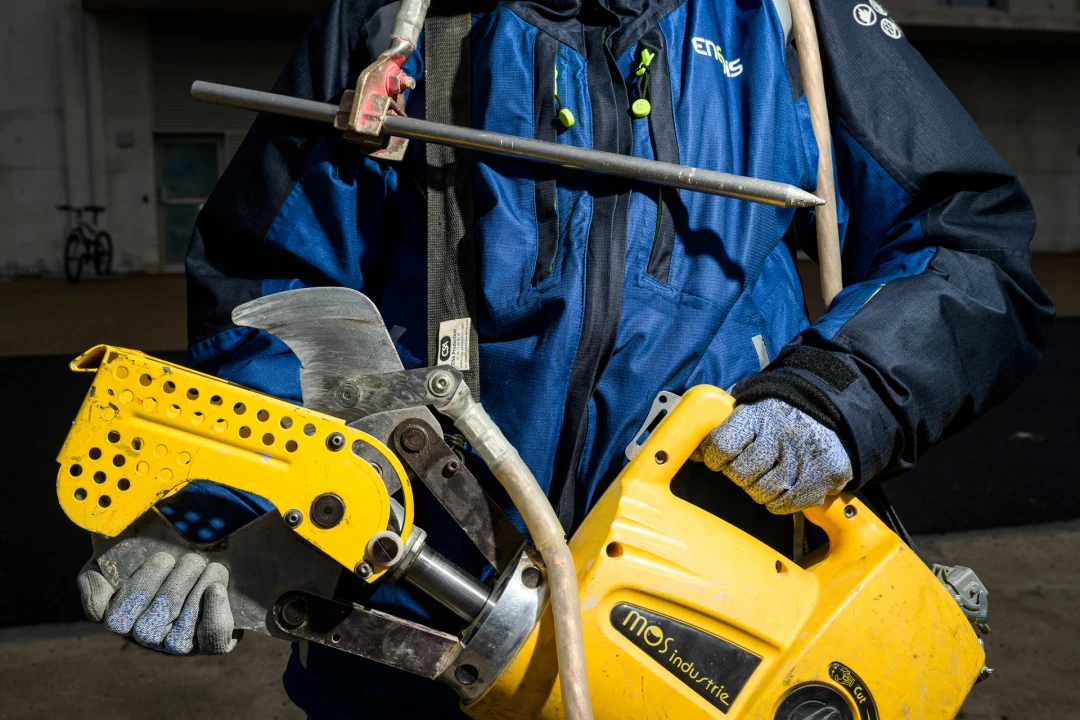
After ten years locked up in biology laboratories, Laurianne decided to change careers, following the Covid pandemic, after observing workers in blue working on the electricity network under her laboratory window. In 2022, she was hired by Enedis as an operations technician, renewing old and dilapidated networks.
For the Games, she will be helping to connect the Marseille venues to the public distribution network. By doing away with local power supplies from generators, this national project aims to reduce CO2 emissions by almost 90%. She is also mobilised during the events.
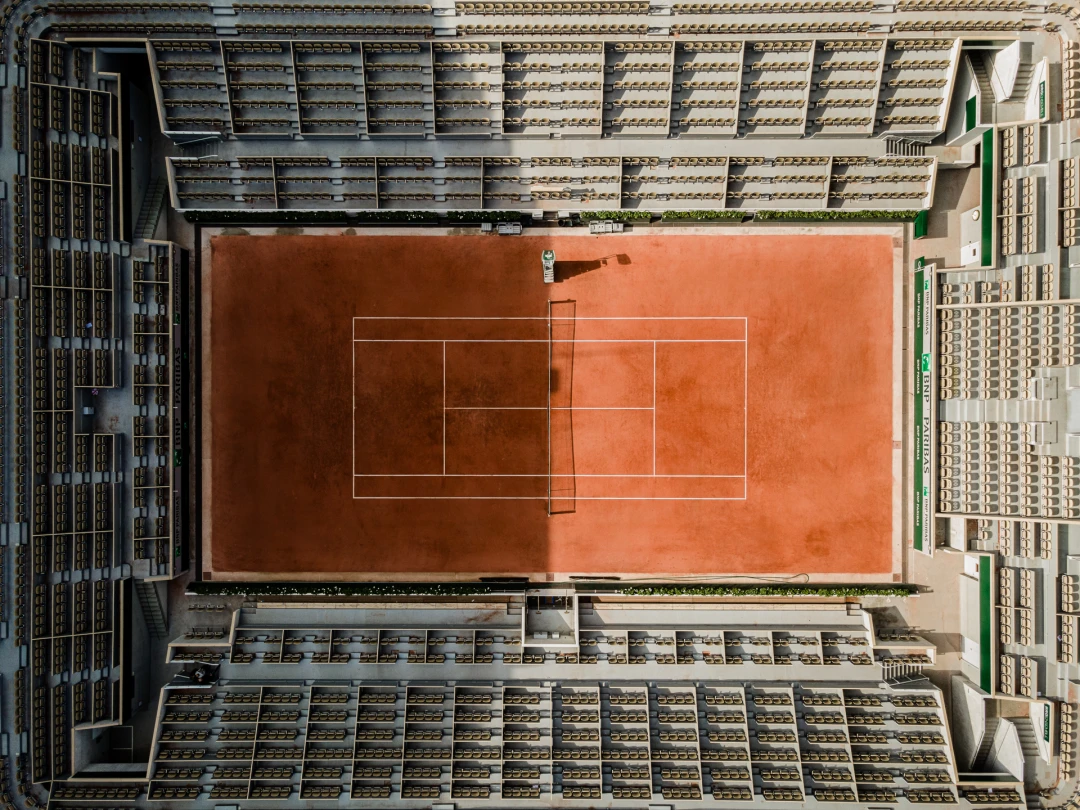
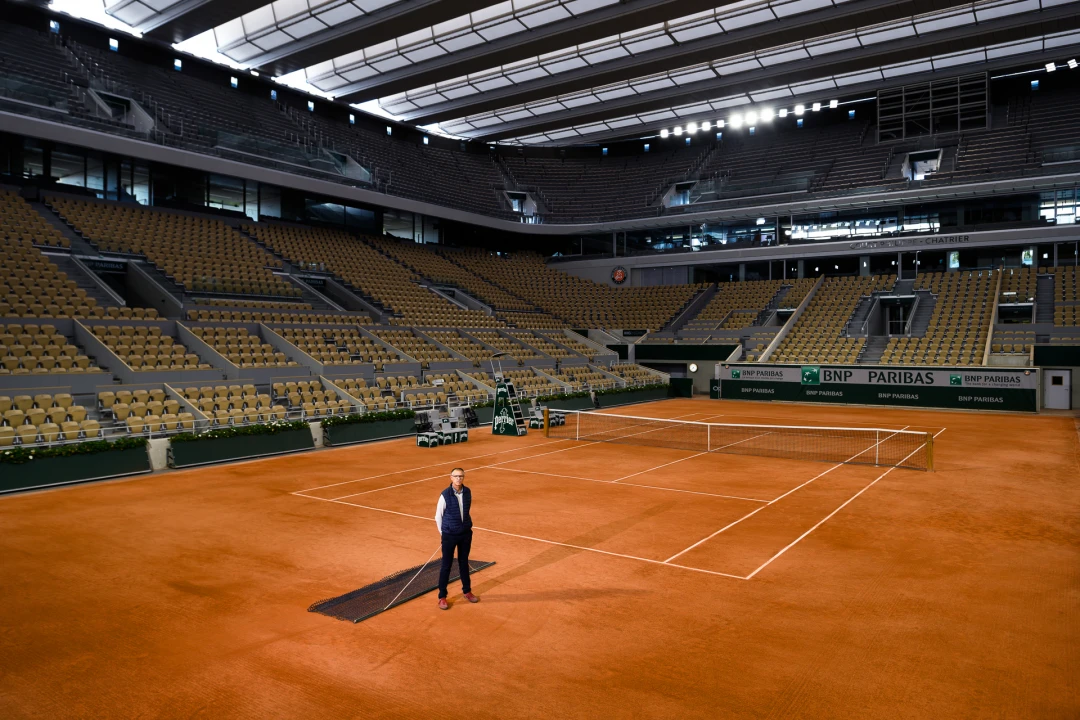
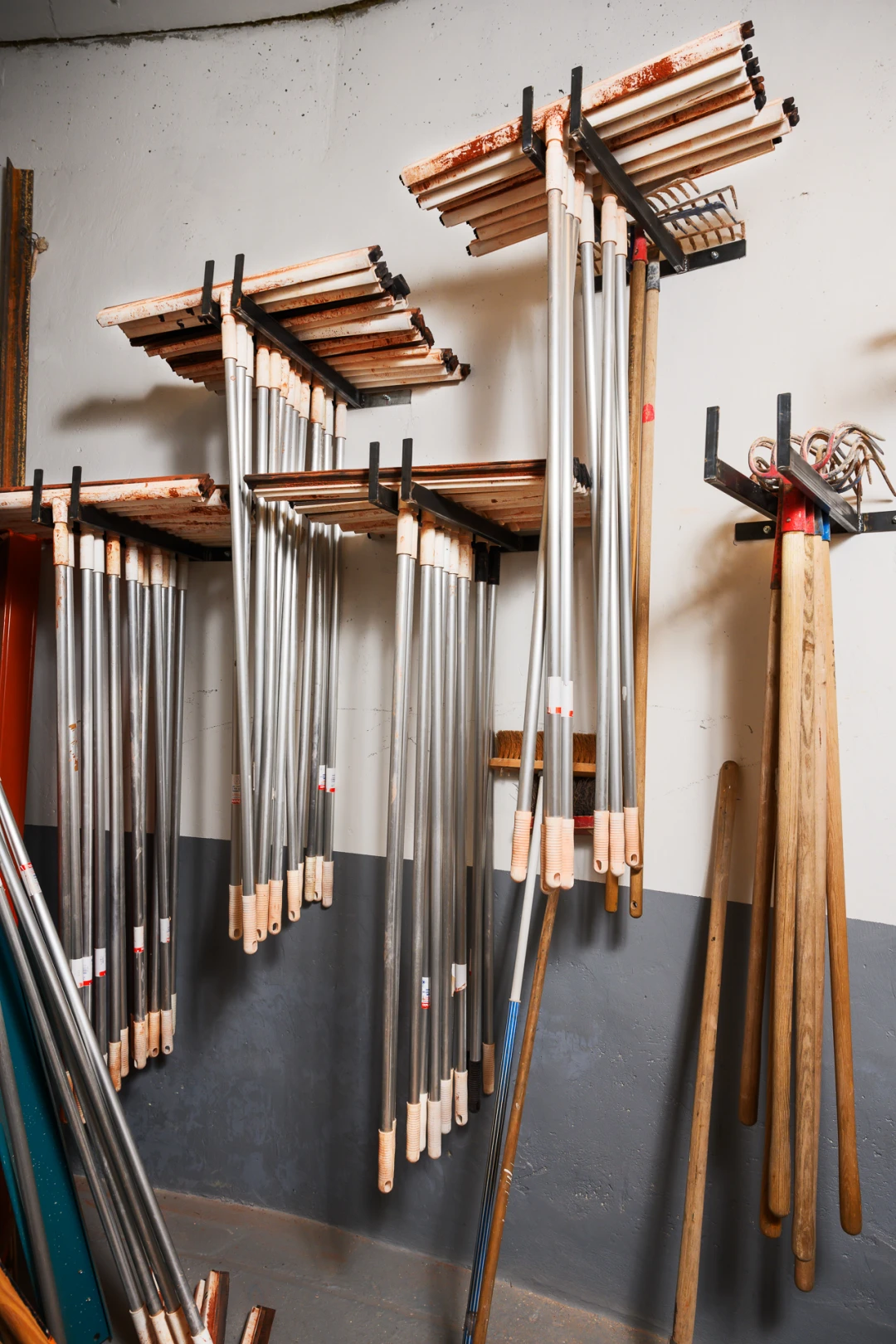
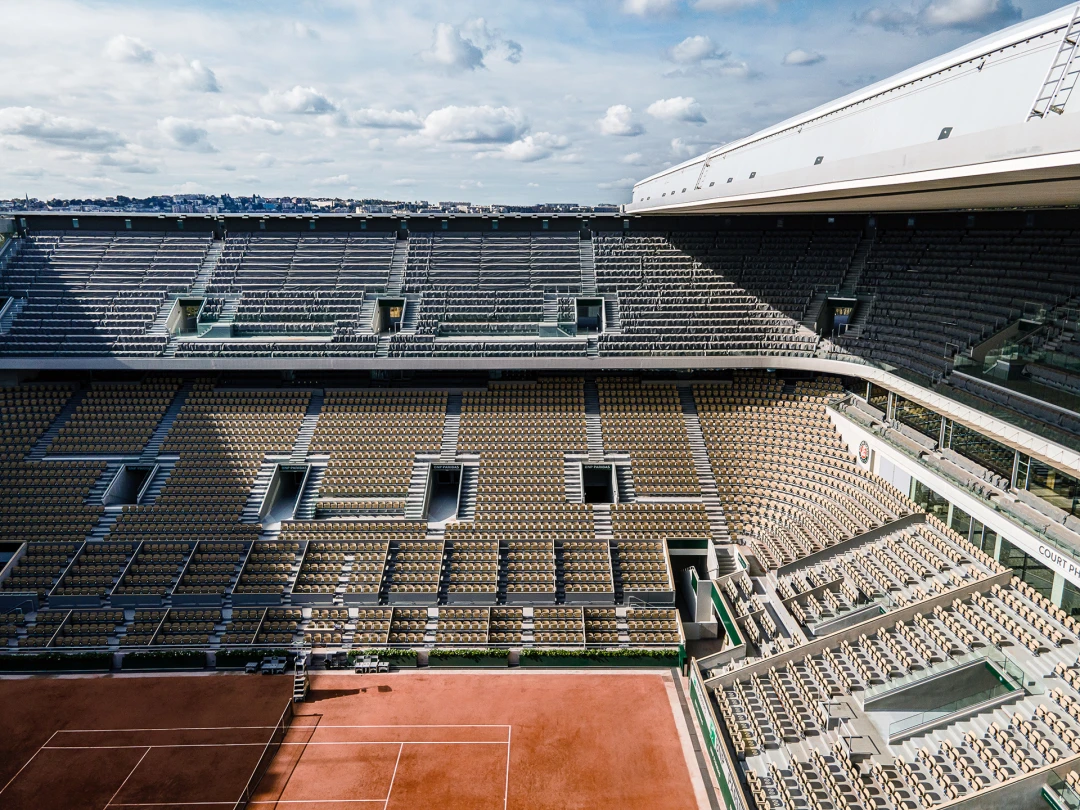
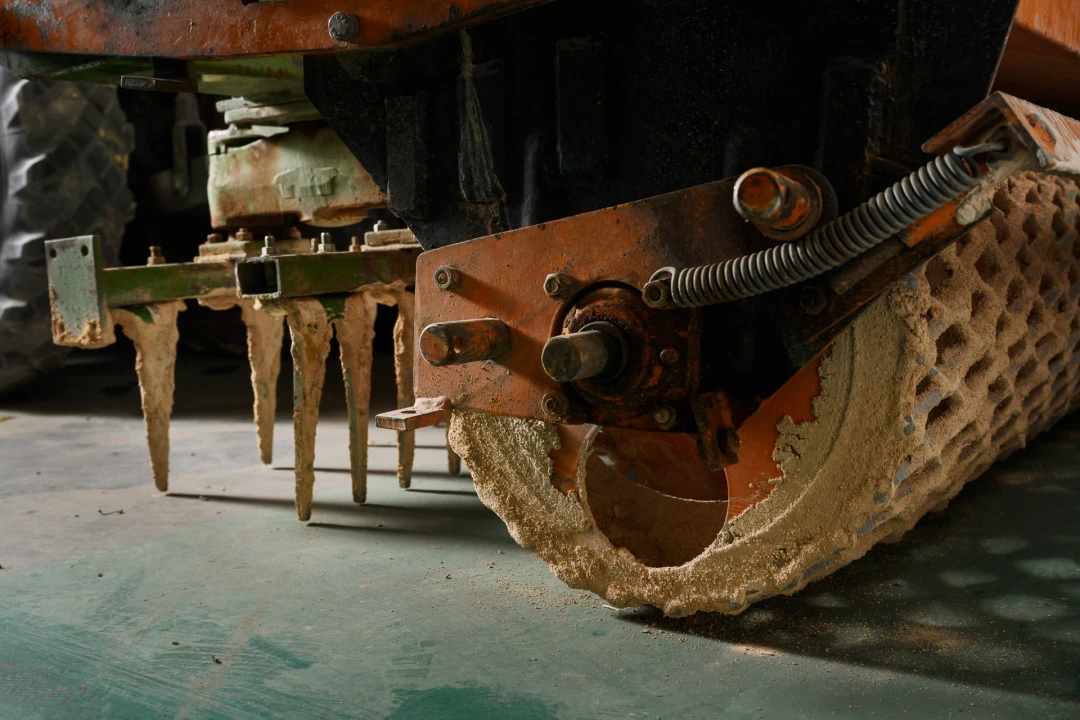
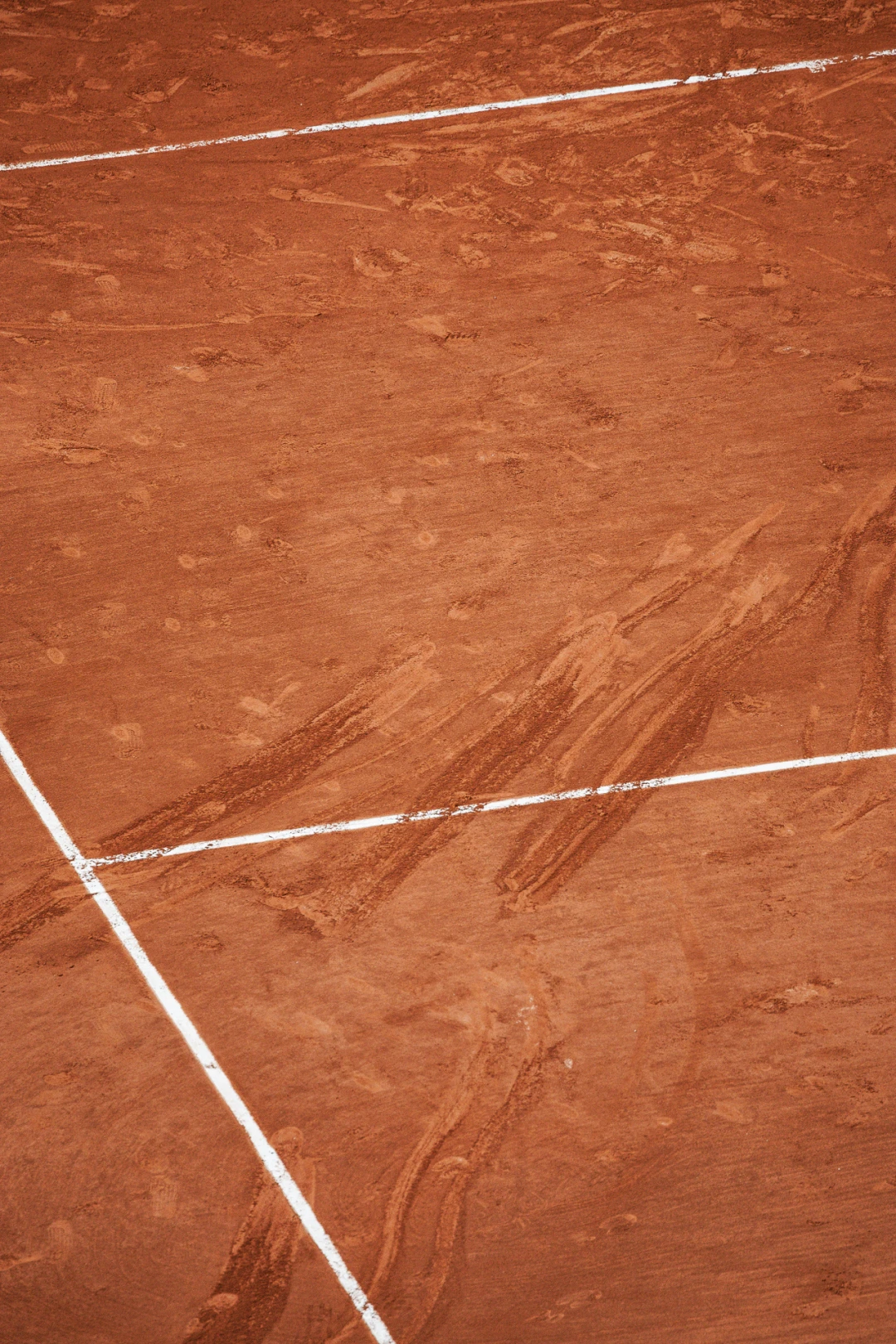
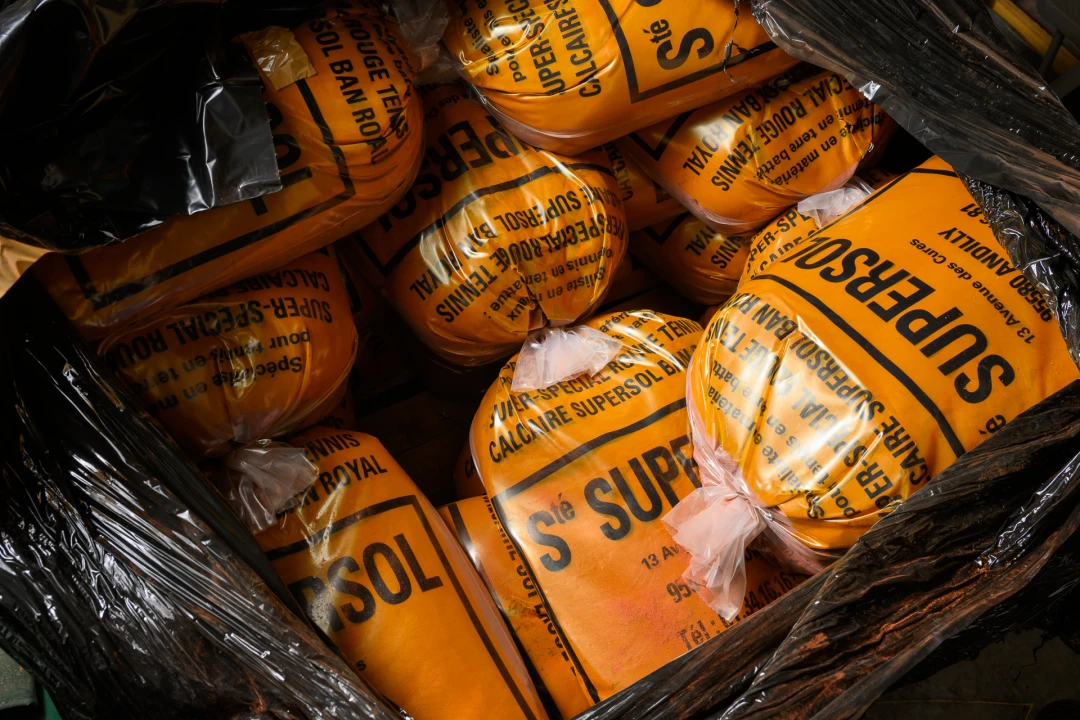
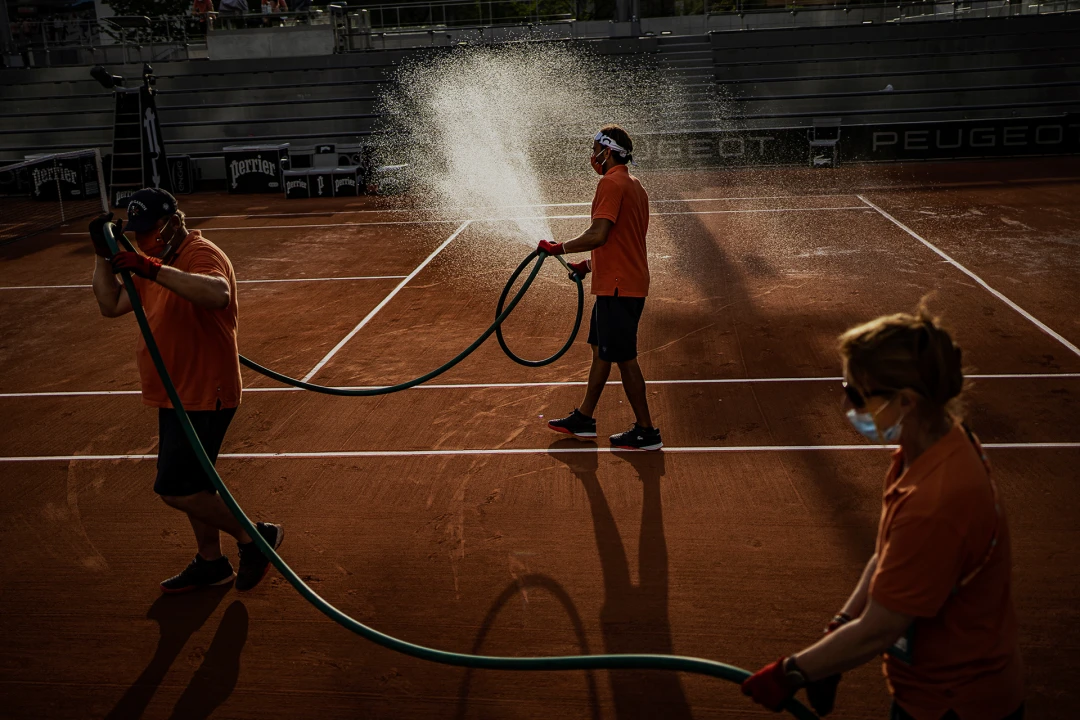
It was by word of mouth that he applied to become what he calls an “Artisan de la Terre”. To be a good craftsman of this crushed brick that comes from the Briqueteries du Nord, you need passion. It takes three days to prepare the central court, from ploughing the land to drying the layout. The construction of the pitch, like a mille-feuilles, is made up of several layers of different materials, respecting precise thicknesses.
Above all, he loves to admire how Rafael Nadal performs on the surface that he and his teams have prepared.
It was by word of mouth that he applied to become what he calls an “Artisan de la Terre”. To be a good craftsman of this crushed brick that comes from the Briqueteries du Nord, you need passion. It takes three days to prepare the central court, from ploughing the land to drying the layout. The construction of the pitch, like a mille-feuilles, is made up of several layers of different materials, respecting precise thicknesses.
Above all, he loves to admire how Rafael Nadal performs on the surface that he and his teams have prepared.
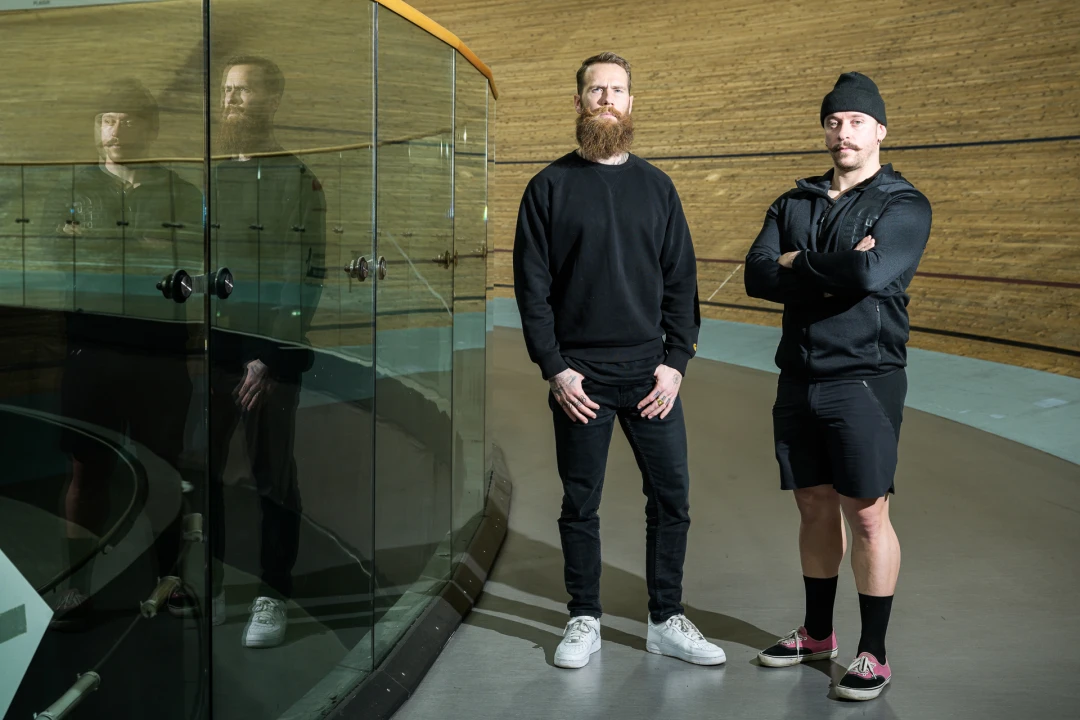
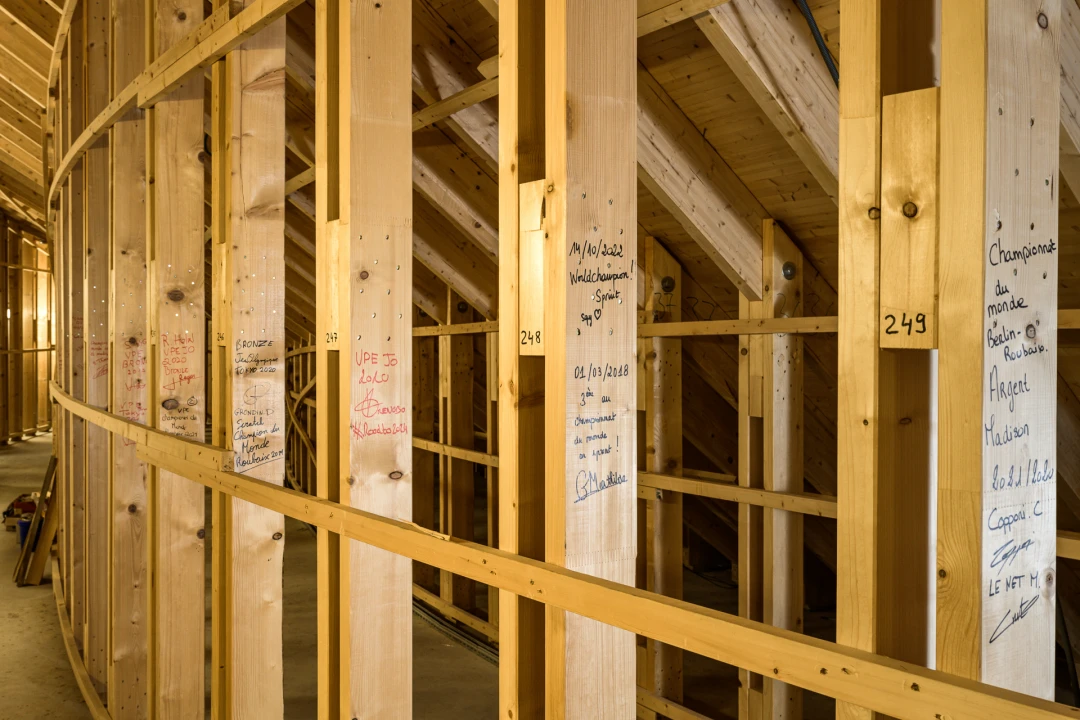
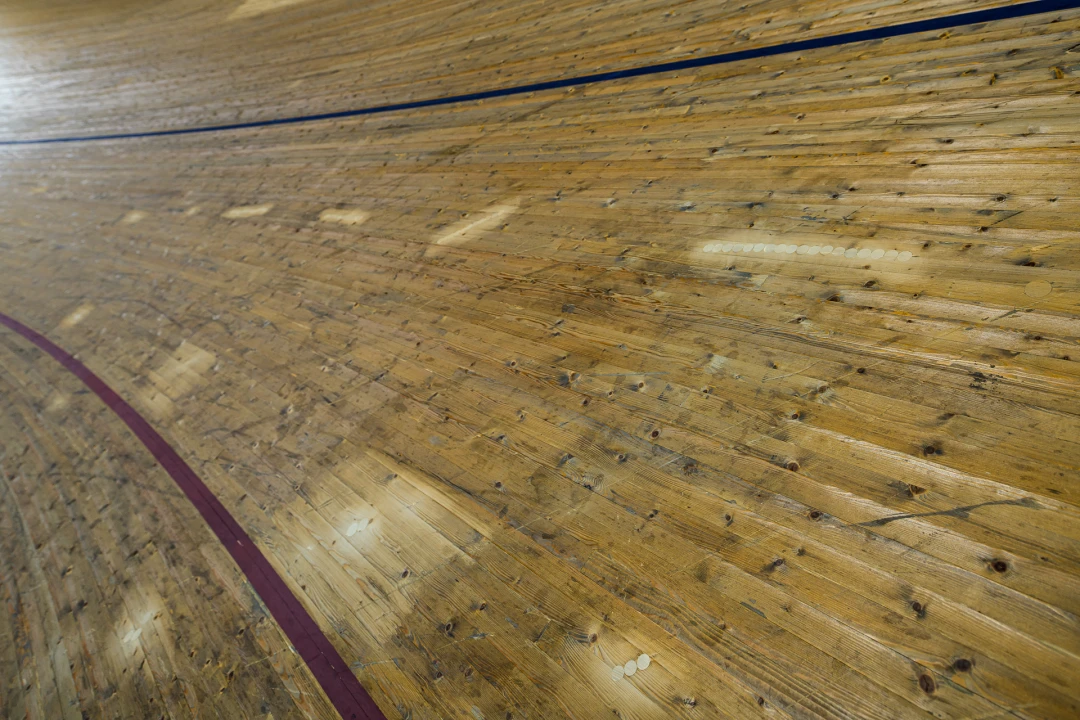
Opened in 2014, the velodrome was designed as a versatile and flexible space that hosts major cycling events, as well as other events. The 2015 and 2022 world championships were held there. Its Siberian pine track, 250 metres long and 8 metres wide, with a constant radius of 23 metres and 44° banked corners, is unique in the world. It is the headquarters of the French Cycling Federation and a key training venue for the various French teams.
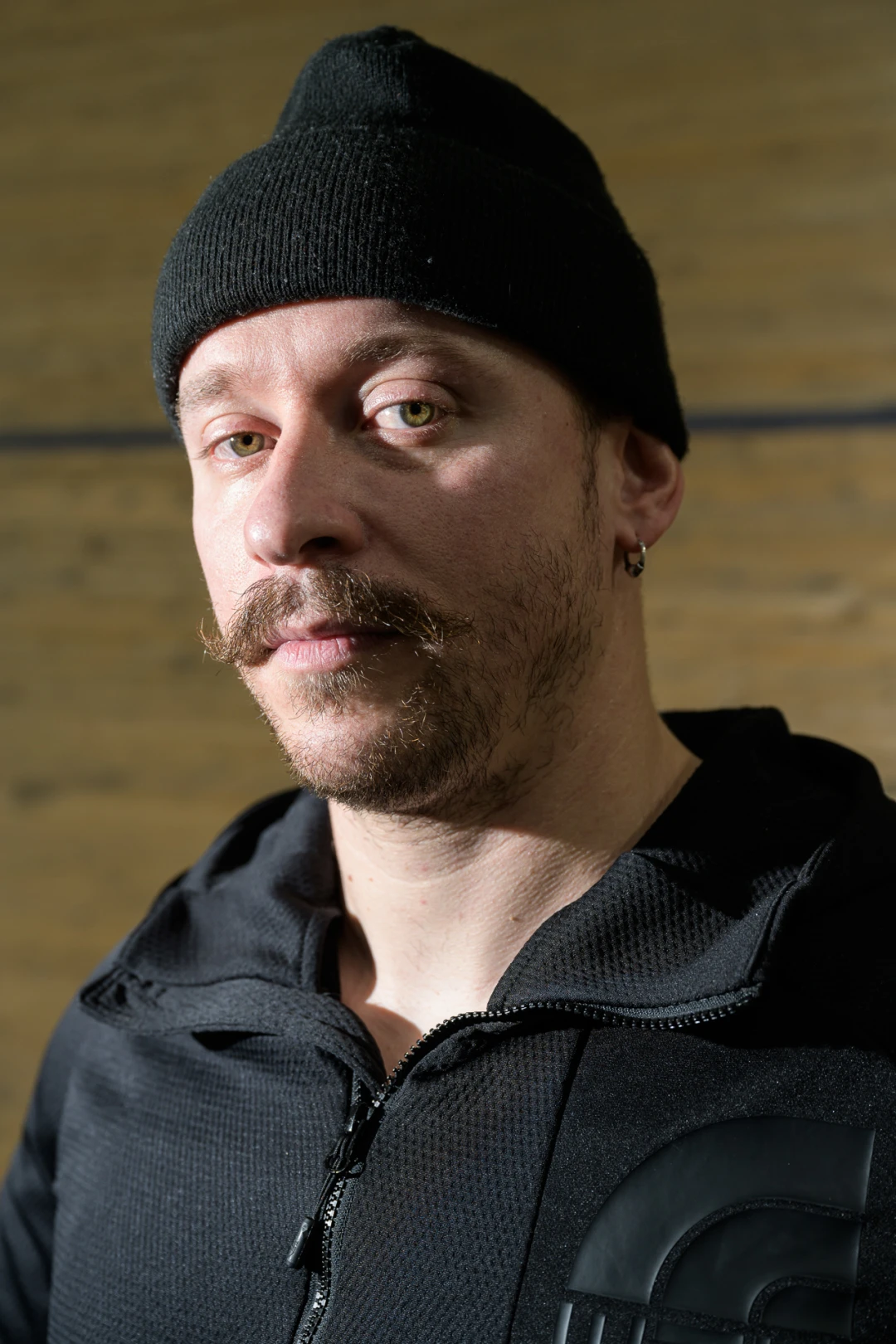
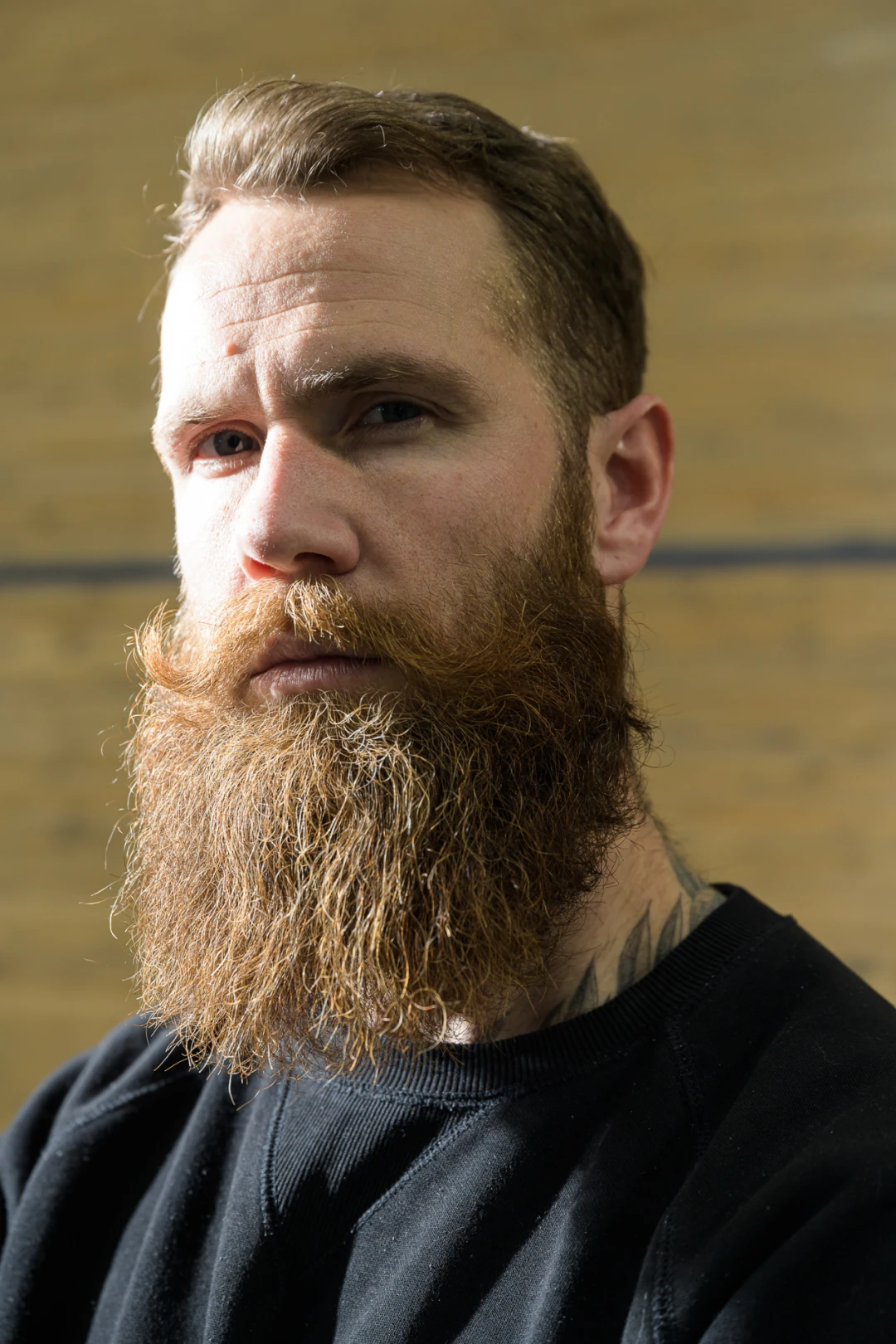
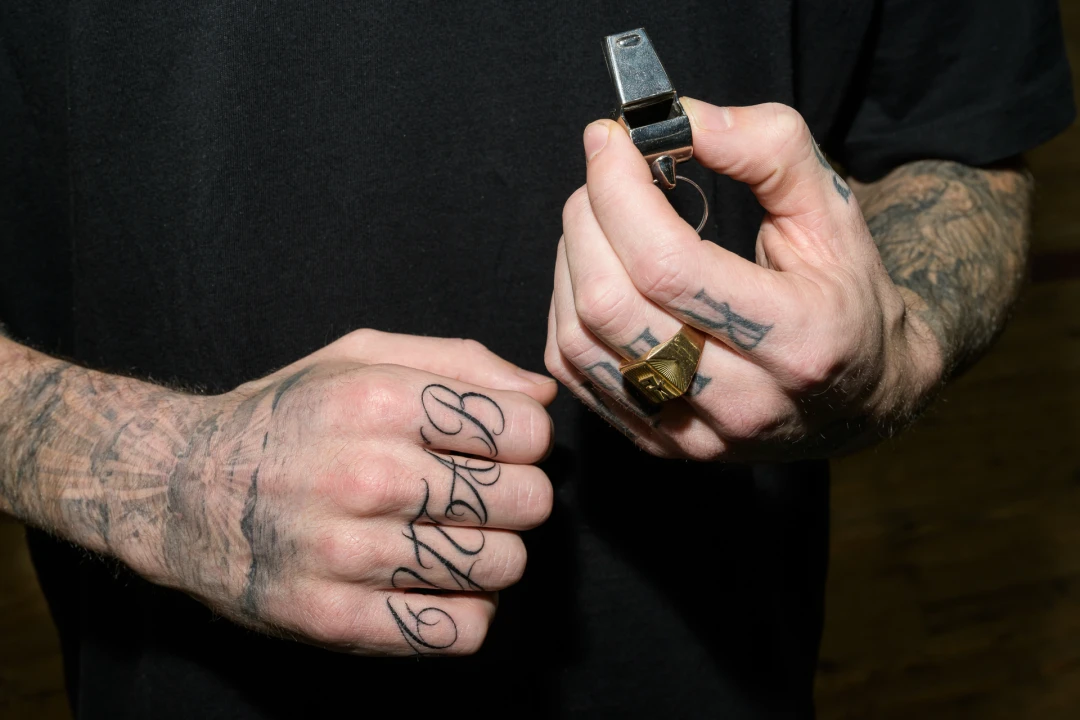
Benjamin and Charlie have been top-level track cyclists. Benjamin won gold at the European Team Sprint Championships in Berlin in 2017 and bronze at the World Championships in Hong Kong. Charlie, for his part, won a bronze medal at the European Keirin championships in Saint-Quentin-en-Yvelines in 2016, and was the winner of a World Cup competition in individual speed. Today, they continue to make a living from their passion as trainers for athletes, but also as coaches for the general public.
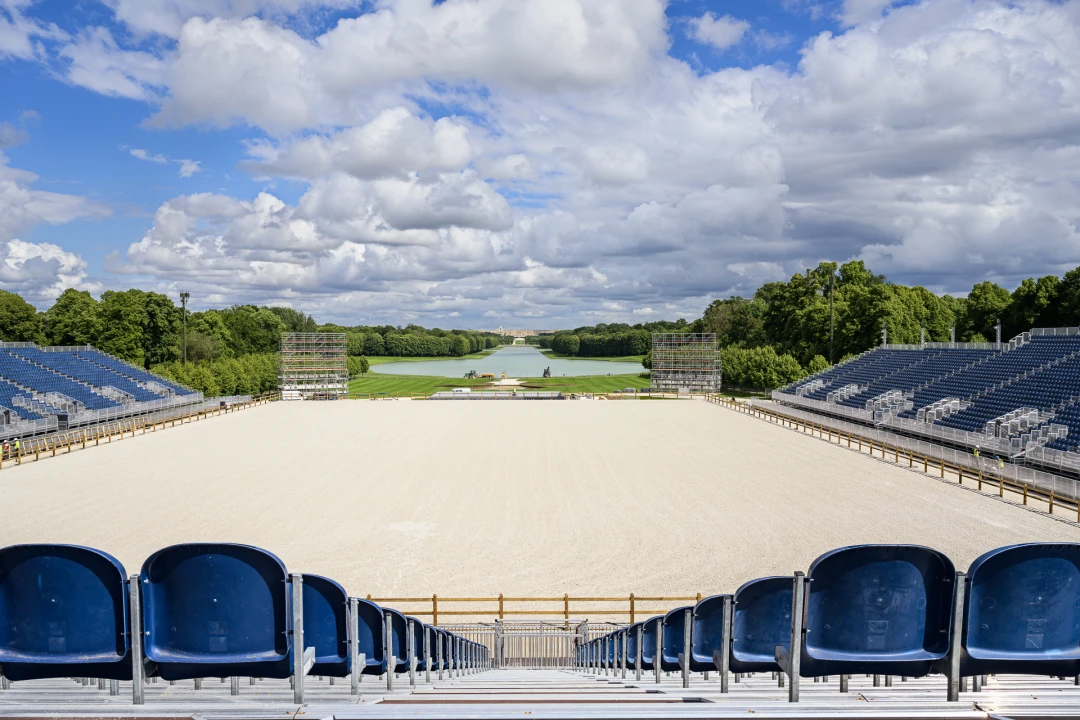
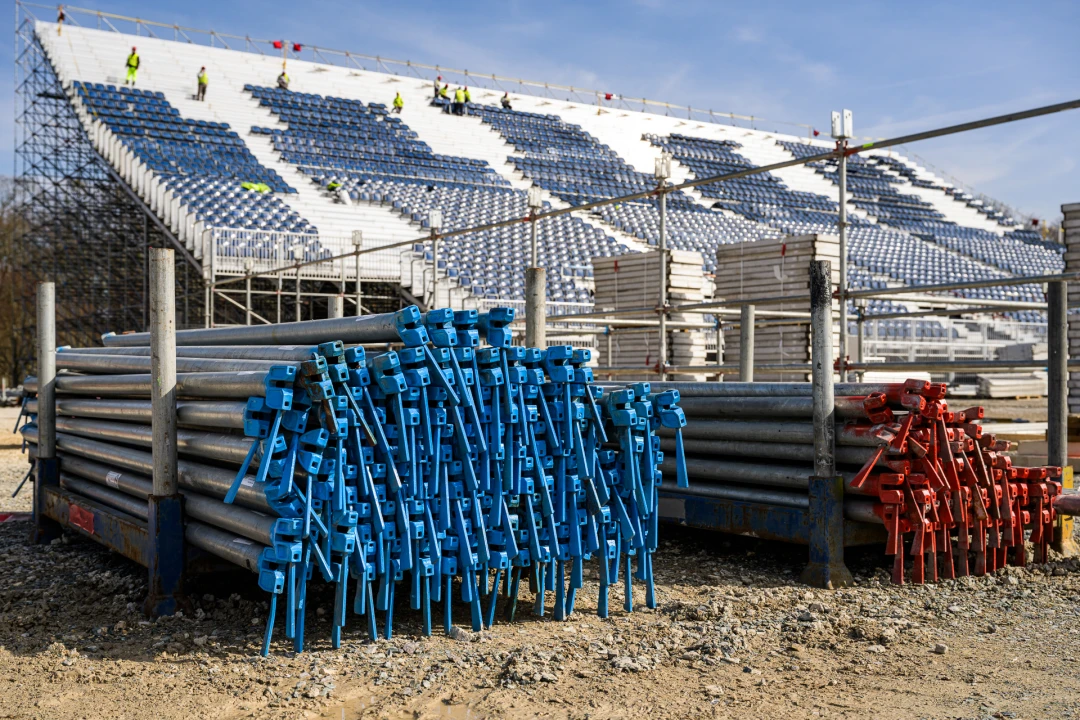
Set against the backdrop of the Grand Canal and the Château de Versailles on the Étoile in view of the Grand Canal and the Château de Versailles, on the site of the Étoile Royale, right in the heart of the Château grounds, a temporary arena will host dressage and show jumping, while the cross-country event will highlight the grounds near the Grand Canal. After the Games, all the facilities will be completely dismantled and the Parc du Château returned to its original state.
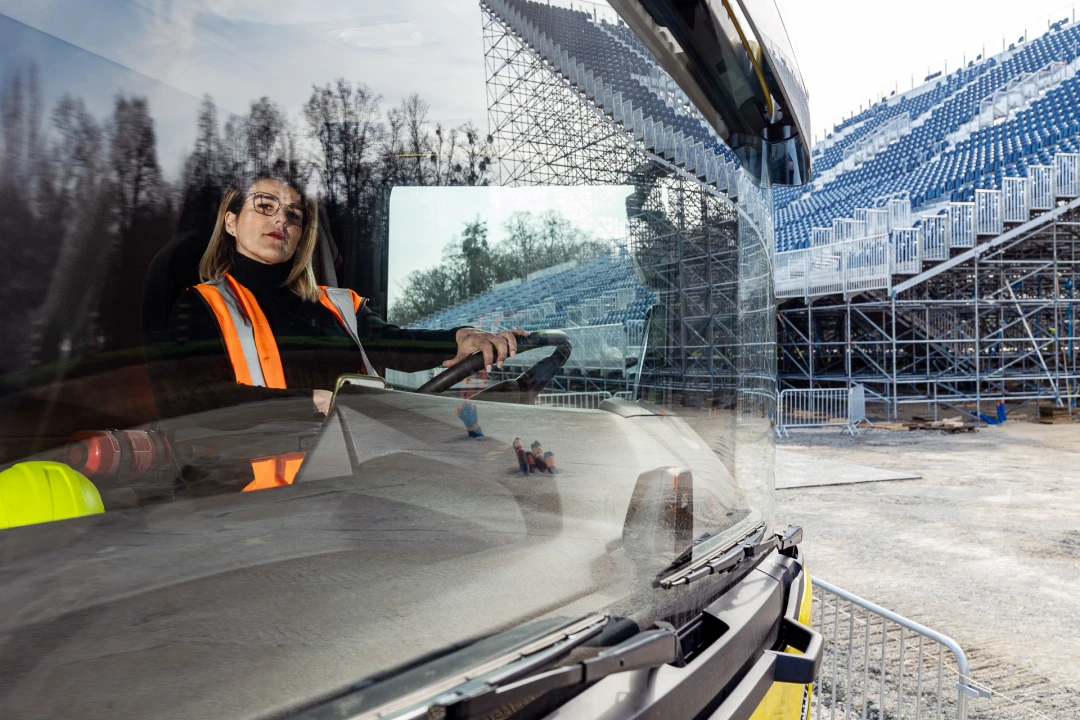
After beginning her career as a beautician, she switched to what she had always loved: transport and lorries. She obtained the heavy goods vehicle licence she had dreamed of at twenty but hadn’t dared to pursue. For nearly two years now, she has been driving around the Île-de-France region delivering equipment to construction sites. The most challenging aspects are transporting fragile items and navigating difficult access points. She loves driving, feeling free in her lorry, and delivering to beautiful locations.
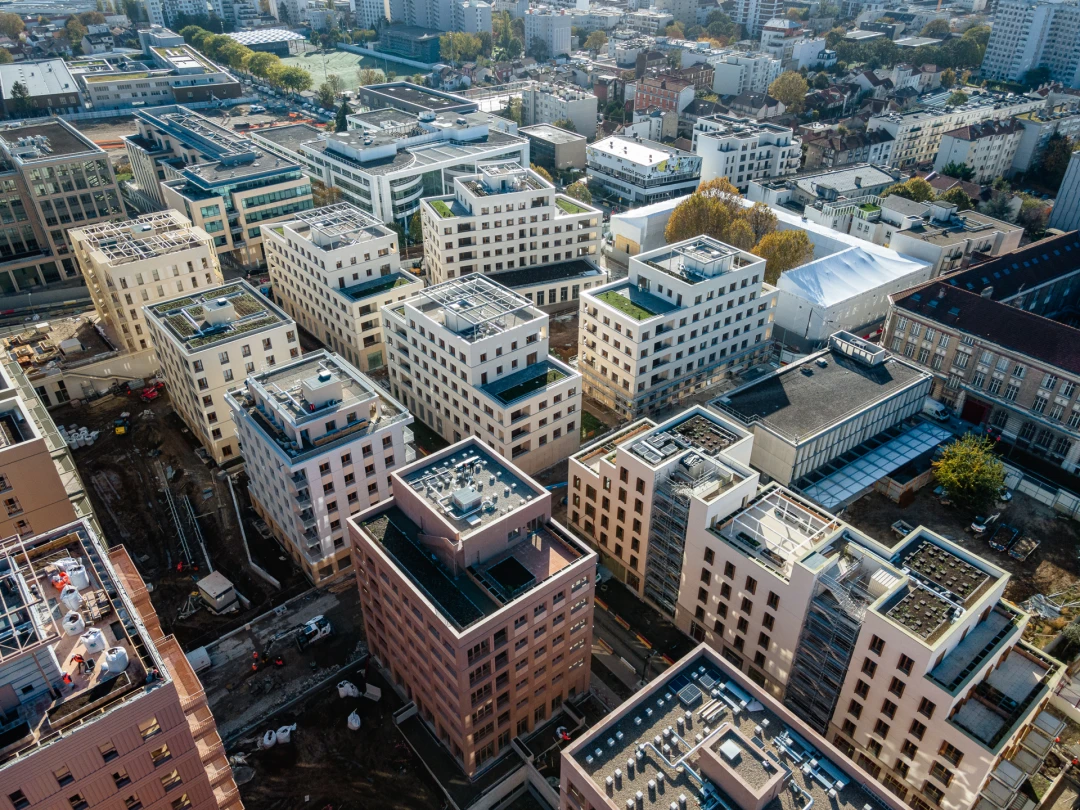
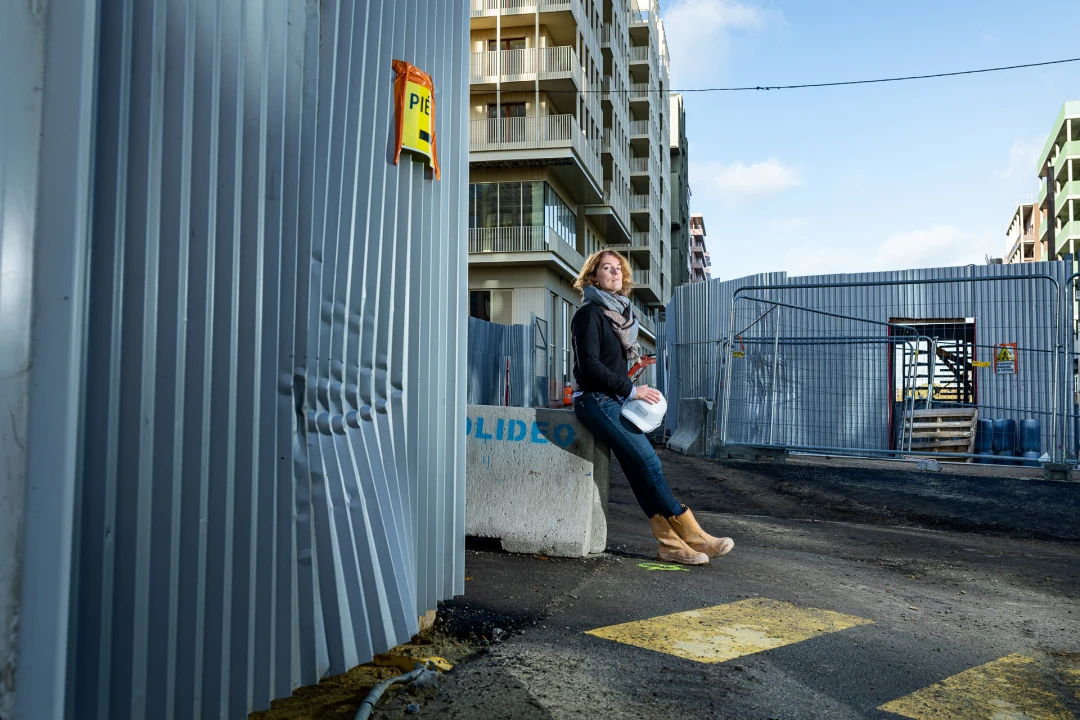
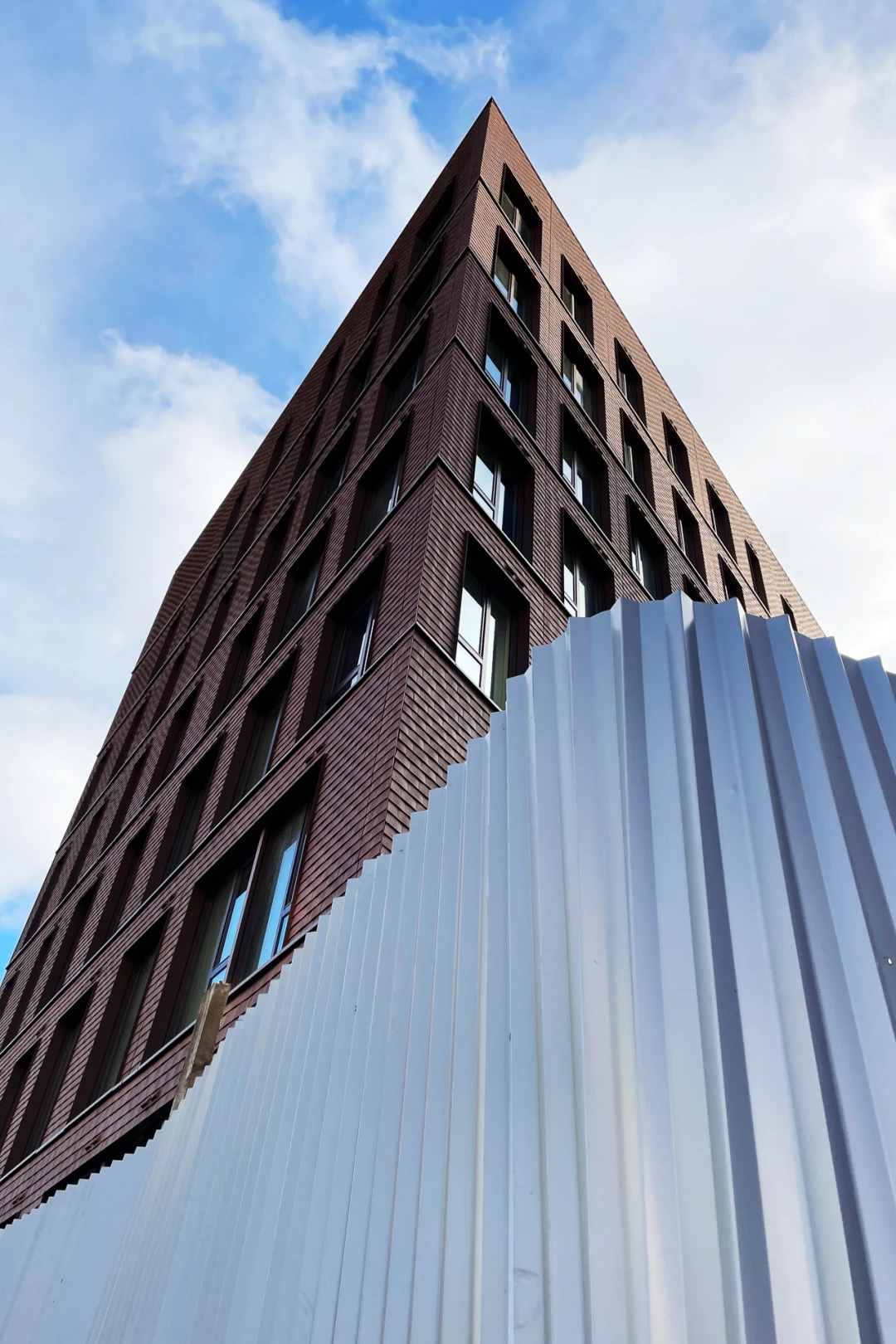
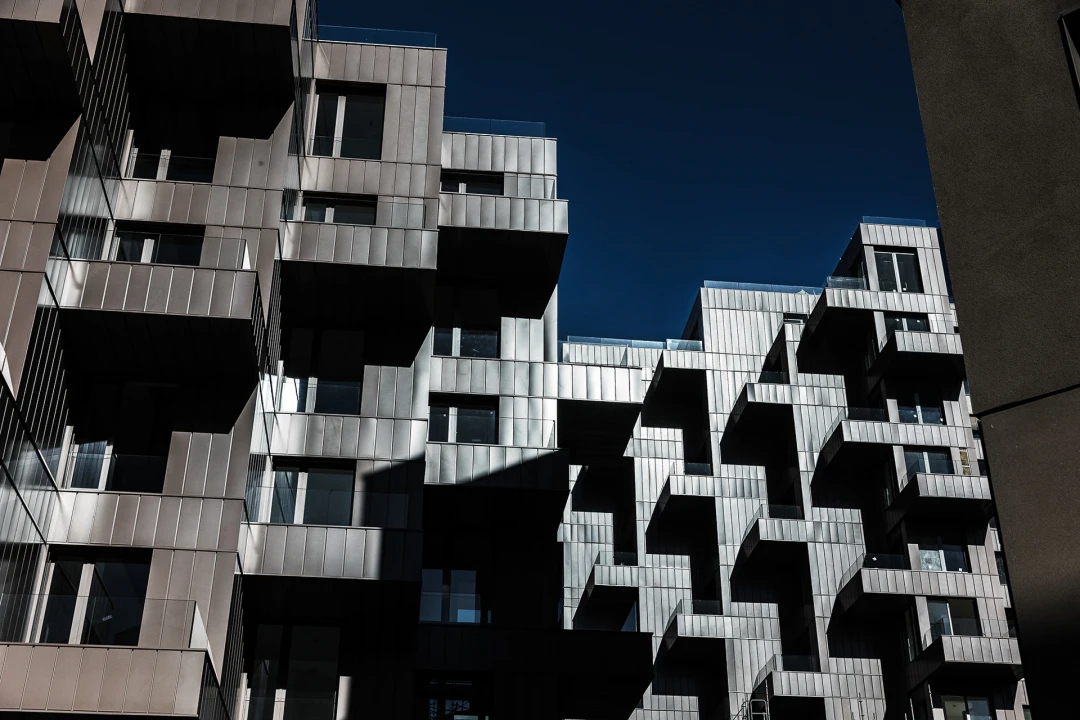
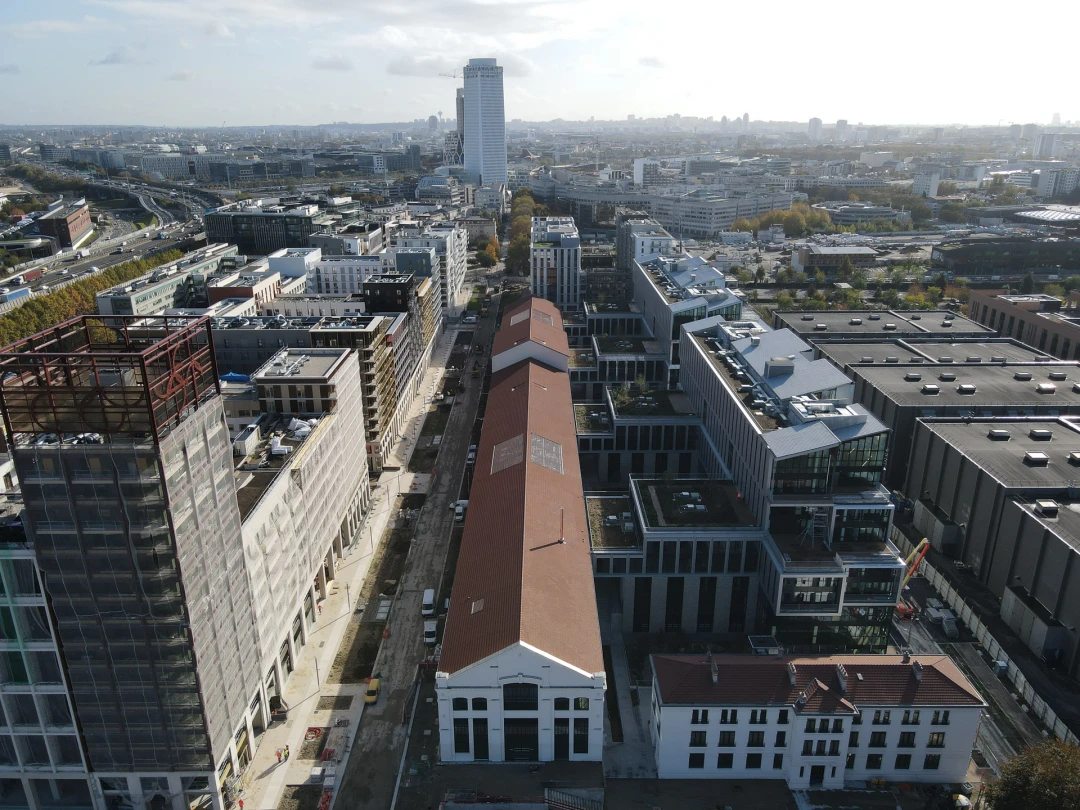
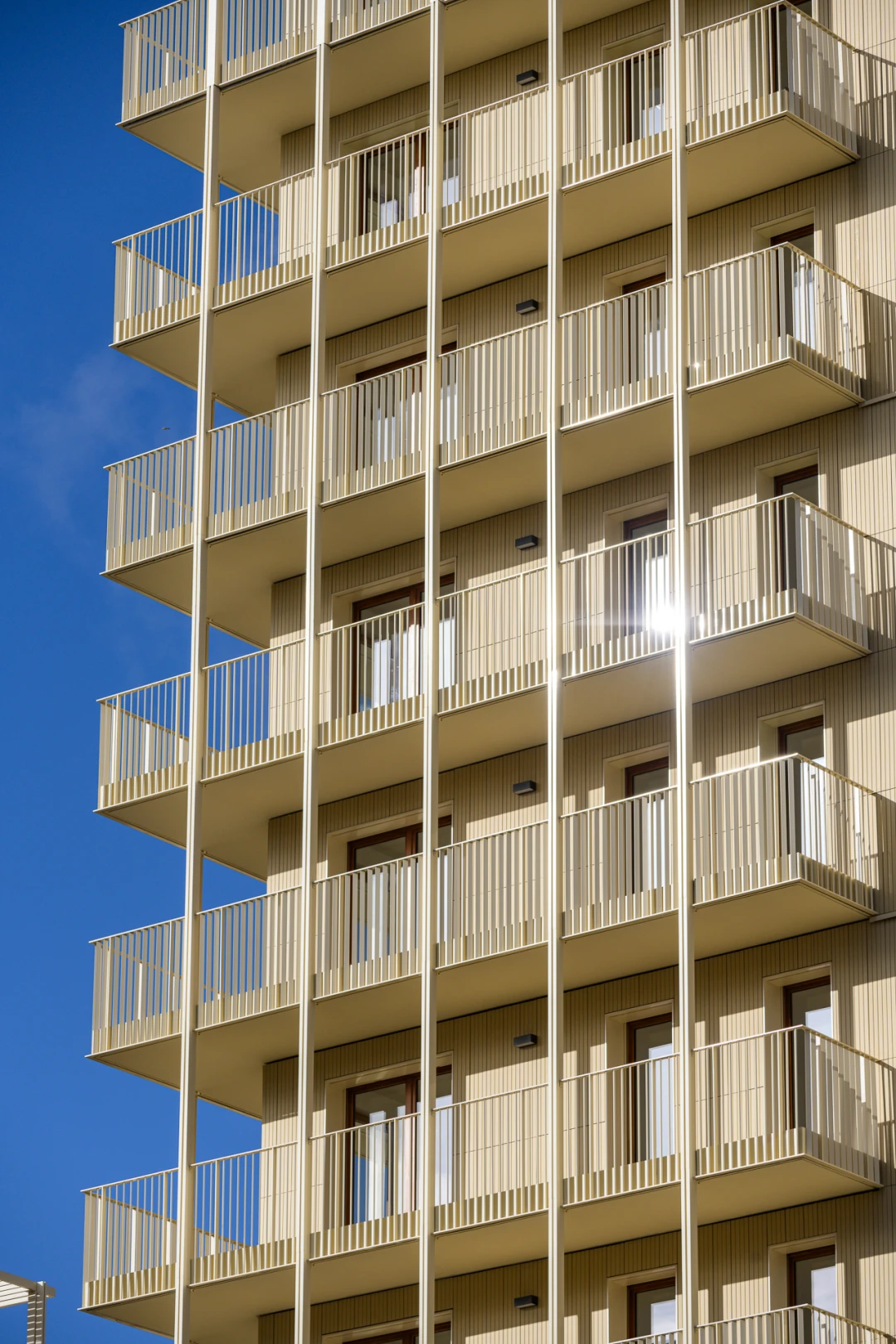
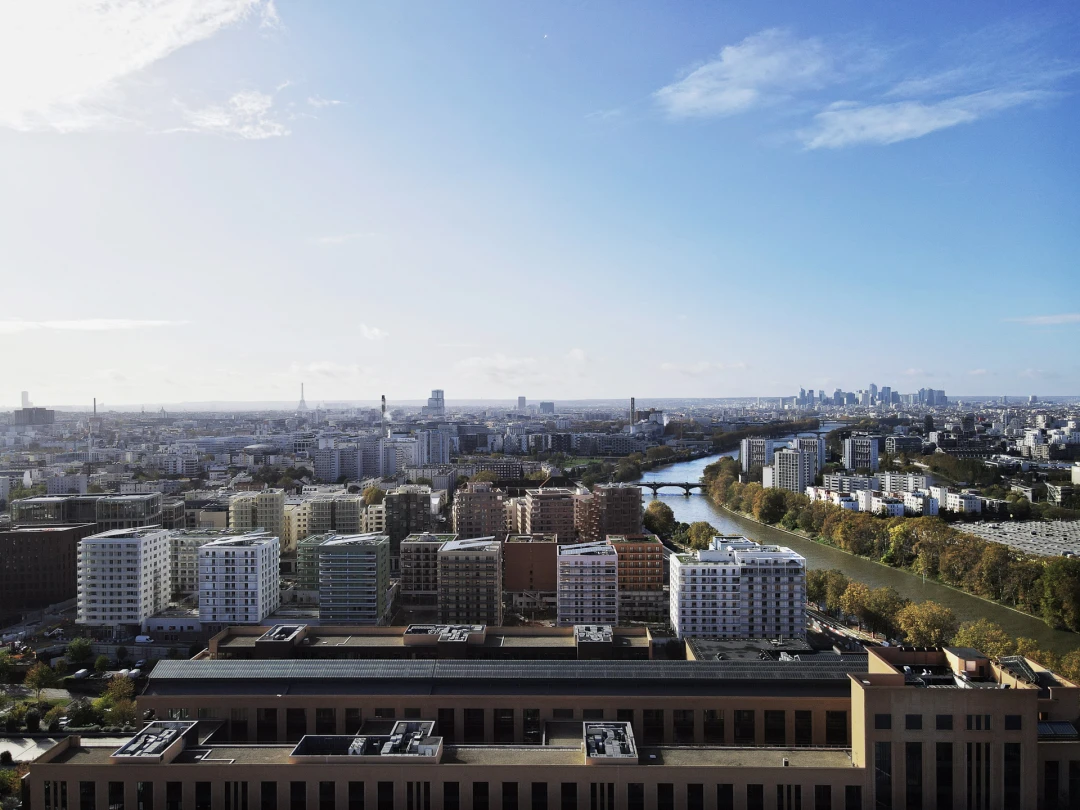
The Athletes’ Village took 6 years to build, involving 1,750 companies, up to 3,500 workers, 41 architects and 14 contractors.
It accommodates 14,500 athletes and their support staff. The Cité du Cinéma has become the largest restaurant in the world, serving 40,000 meals a day.
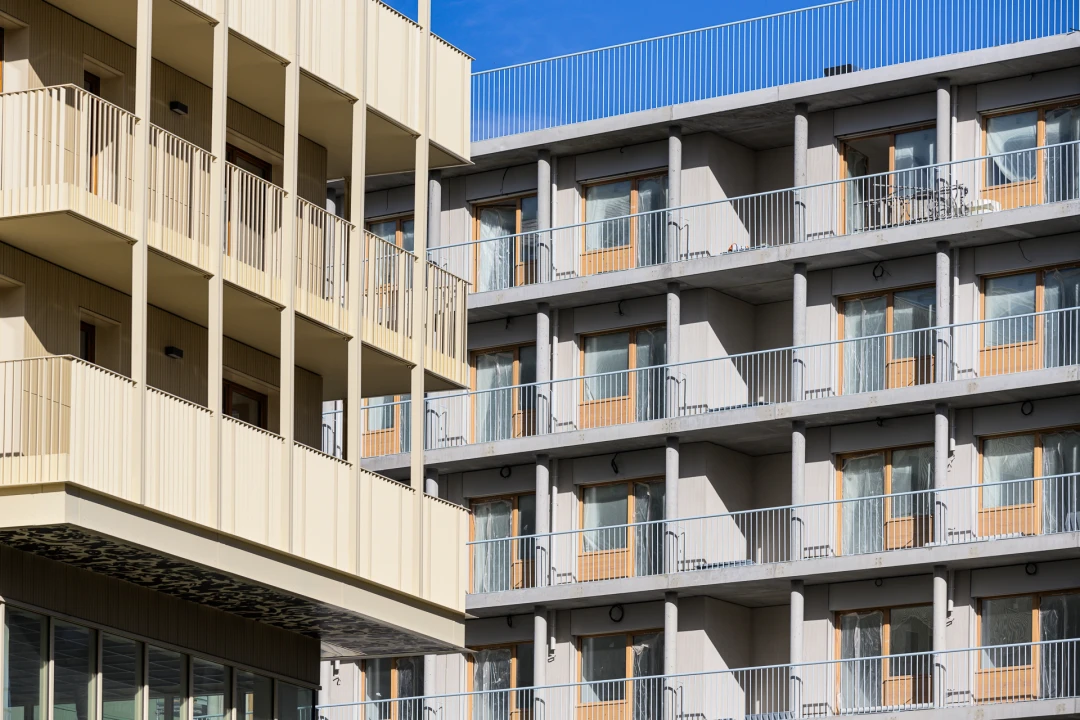
Designed to last beyond the Games, the Village will be transformed into an eco-district. Thanks to removable partitions, the athletes’ rooms will be converted into accommodation, offices and shops.
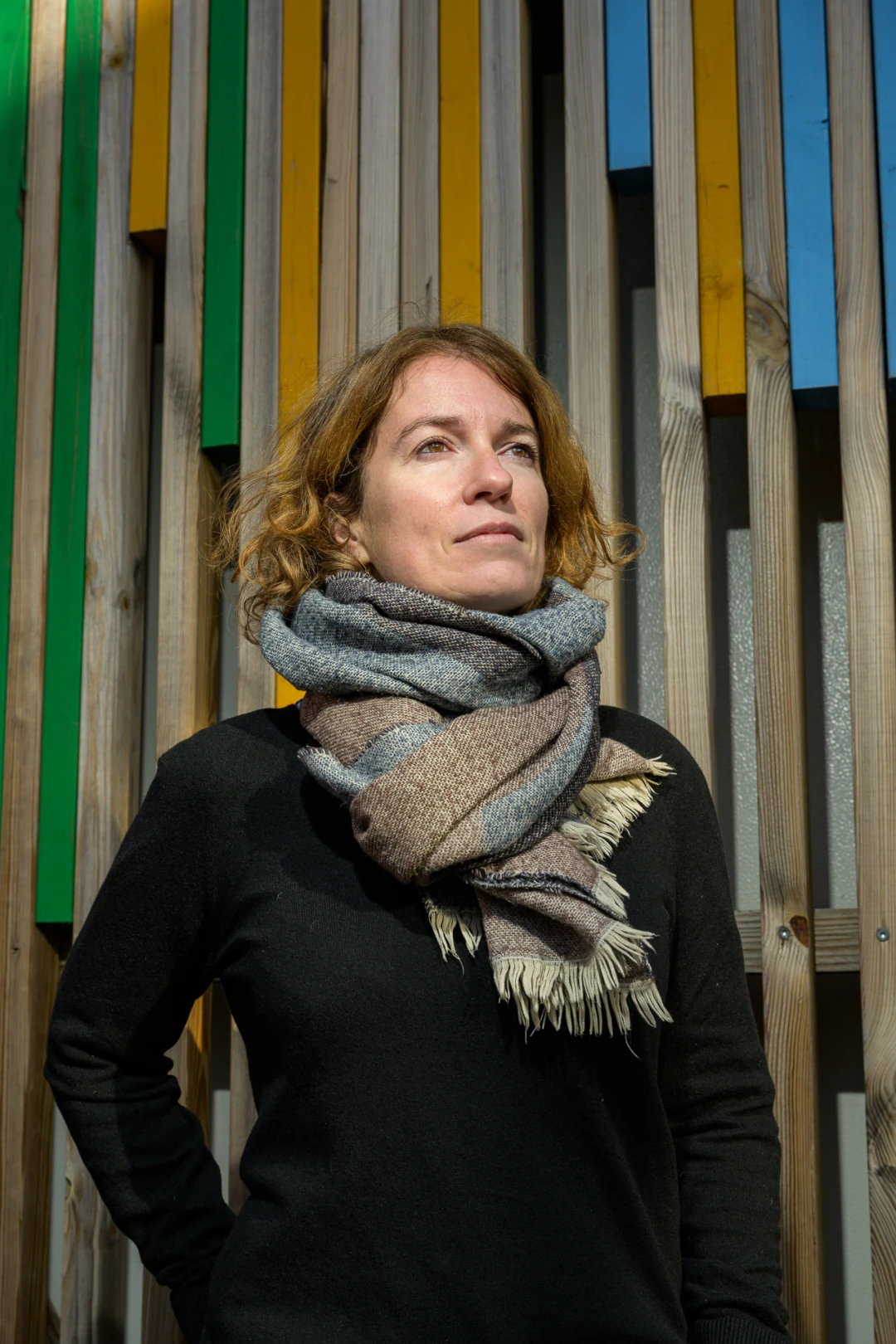
Deputy Project Director at SOLIDEO, Julia coordinated all the public and private project owners involved in the construction of the Athletes’ Village. It was a complex job, orchestrating the teams on a day-to-day basis in terms of legal, financial, innovation, site and, of course, human resources management. The very short timescale of this project - 6 years, i.e. 3 to 4 times less than for a conventional project - certainly enabled her to see the project “from A to Z”, which is an incredible opportunity, but it also generated a very heavy workload.